The global economy is headed for a downturn, and Canada is one of the nations that will be hardest hit as the repercussions of Washington’s tariffs persist, warns the world’s economic watchdog.
The Organisation for Economic Co-operation and Development (OECD) has updated its forecast for the second time this year, predicting global gross domestic product will decrease from 3.3 percent in 2024 to 2.9 percent this year and in 2026, assuming that the tariff rates imposed by U.S. President Donald Trump are upheld despite legal disputes.
Canada’s economic outlook has taken a turn for the worse after recording “robust” gross domestic product (GDP) growth in early 2025.
“Since February 2025, trade tensions and increased tariffs on imports to the United States heavily weigh on Canada’s external perspectives, given the interlinkages of the two economies,” the report said. “Business and consumer sentiment have deteriorated, and policy uncertainty has increased.”
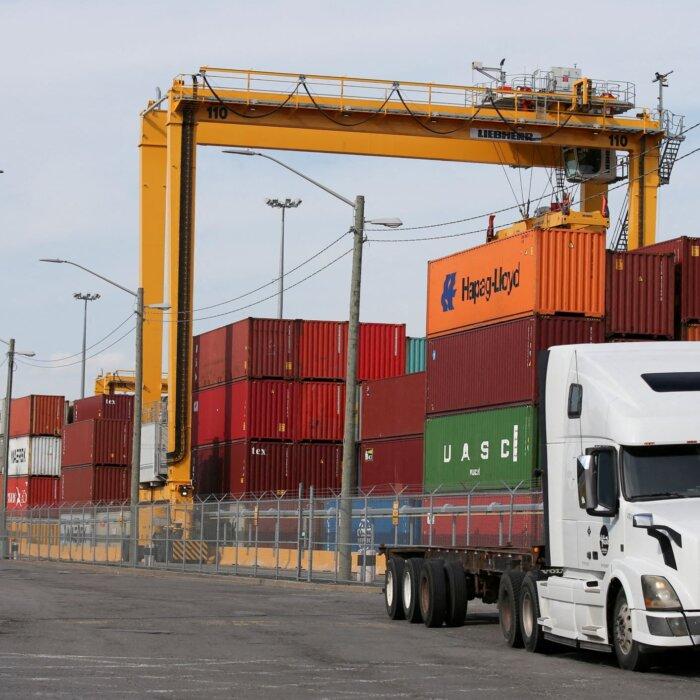
The OECD is anticipating a reduction in growth for Canada’s second quarter, attributing this to a major decline in exports to the United States, as well as the adverse effects of trade disruptions and uncertainty on both household consumption and business investment.
The tariffs implemented by the Trump administration on other nations across the globe are expected to further reduce demand for exports, the report said.
Canada’s headline inflation is expected to rise modestly, but the effect of increased tariffs on consumer prices will be somewhat mitigated by declining gas prices, which the organization links to the termination of the consumer carbon tax.
Core inflation, which is the Bank of Canada’s favoured gauge for assessing price growth, will rise before eventually returning to the central bank’s 2 percent target in 2026, the report said.
The OECD is also forecasting that the Bank of Canada will reduce its interest rate by an additional 50 basis points, bringing it down to 2.25 percent this year.
Impact on United States
The OECD is predicting the U.S. economy will grow 1.6 percent this year and 1.5 percent in 2026, based on the assumption that the tariffs effective in mid-May will persist throughout the remainder of 2025 and into next year.“This reflects the substantial increase in the effective tariff rate on imports and retaliation from some trading partners, high economic policy uncertainty, a significant slowdown in net immigration, and a sizeable reduction in the federal workforce,” the authors said.
Annual headline inflation is set to pick up to 3.9 percent by the end of 2025 because of higher import prices but will ease throughout 2026 due to moderate GDP growth and higher unemployment.
The OECD cautioned that although new tariffs might encourage manufacturing within the United States, increased import prices could diminish consumers’ purchasing power, and uncertainty in economic policy could impede corporate investment.
Impact of Tariffs and Recommendations
Trump has threatened to implement tariffs against countries across the globe since taking office in January, arguing that the United States has been unfairly taken advantage of by other economies.He slapped 25 percent tariffs earlier this year on all Canadian goods that do not fall under the United States-Mexico-Canada free trade agreement as well as a 10 percent tariff on energy imports. The U.S. administration has characterized the tariffs as a response to concerns over cross-border fentanyl trafficking and illegal immigration.
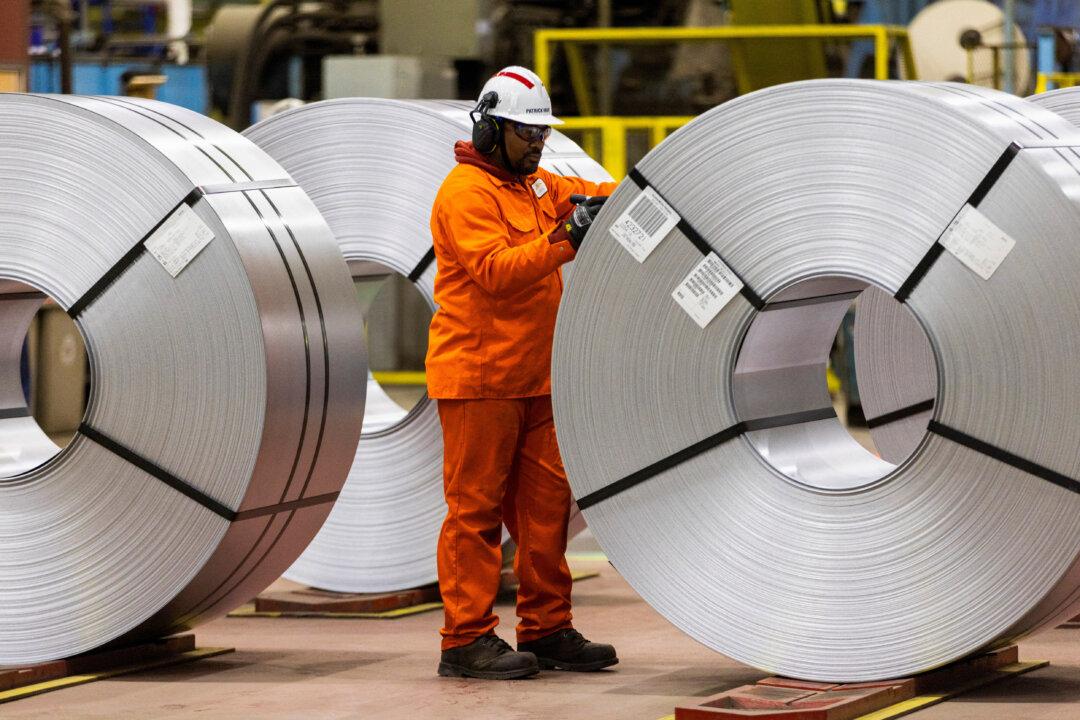
The president also announced plans last week to increase tariffs on steel and aluminum imports to 50 percent globally, with the new tax rate becoming effective on June 4.
The OECD report recommends Canada strive to diversify its export markets beyond the United States as trade tensions continue to underscore Canada’s reliance on the U.S. economy.
“Canada can enhance its productivity performance and strengthen internal markets,” the report authors said. “High regulatory barriers on interprovincial trade should be reduced by expanding the scope of the Canadian Free Trade Agreement.”
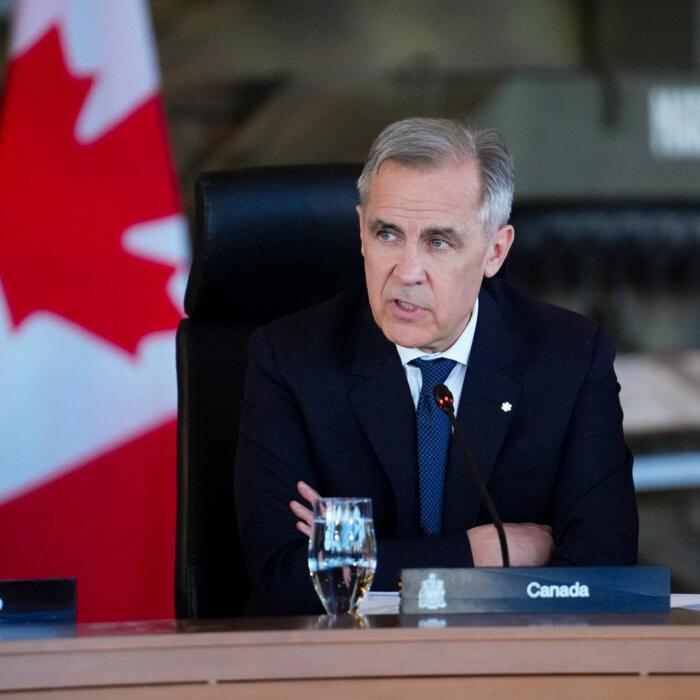
Prime Minister Mark Carney has stressed the need for the implementation of “one economy” in Canada to improve trade between the provinces to help offset the impact of U.S. tariffs.
Carney met with premiers at the first ministers conference in Saskatoon on June 2 to discuss trade barriers between provinces and moving ahead with infrastructure and energy projects. The government has yet to commit to any specific projects.