The joint Nexus program for expedited passage at the Canada-U.S. border no longer accepts the “X” gender marker on its applications, requiring Canadians to select “male” or “female” only, following new directives from the Trump administration.
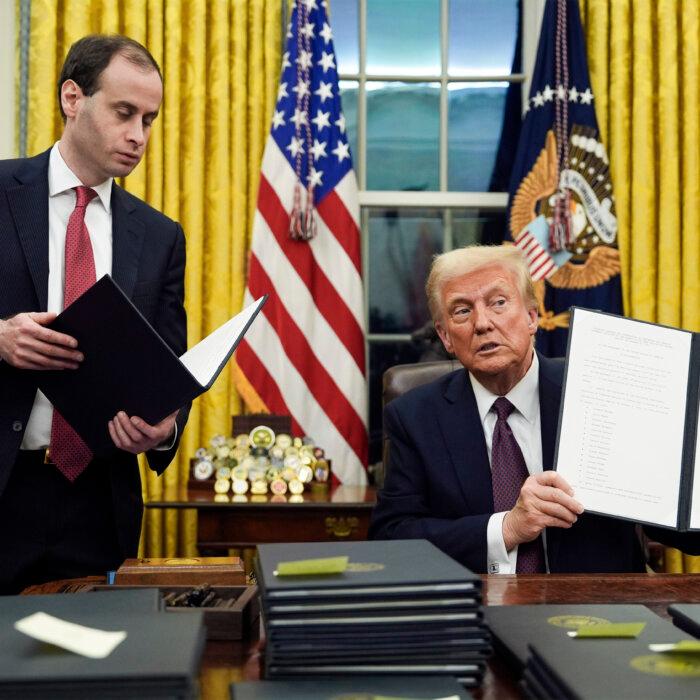
“These sexes are not changeable and are grounded in fundamental and incontrovertible reality,” the executive order reads, which applies to government-issued identification documents, such as passports, visas, and global entry cards.
As a result of the order, the U.S. Customs and Border Protection (CBP) implemented changes to its online application system, the CBSA told The Epoch Times in an Aug. 6 email.
There is no longer an option to select “X” as a gender identifier on the Nexus card application, and individuals must select either “male” or “female.” CBSA said this change took effect in February.
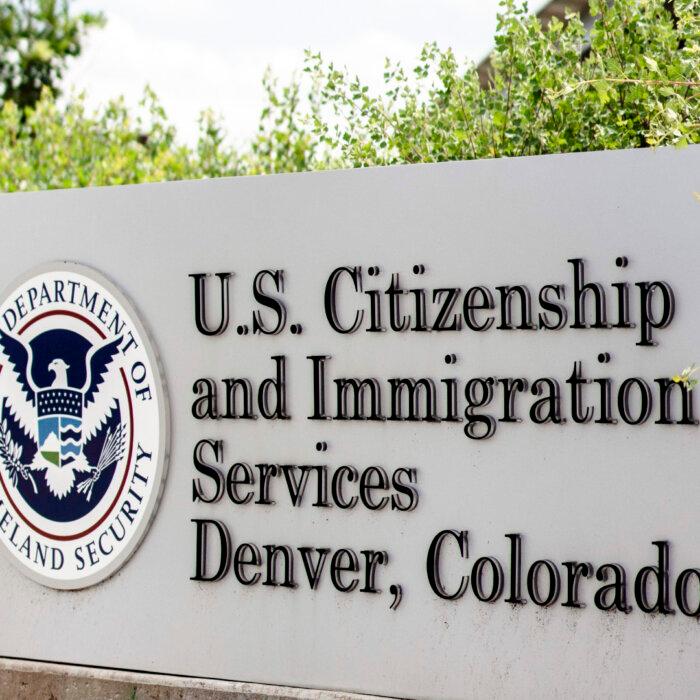
While the program is jointly managed by the CBSA and the CBP, the application process is “housed on a U.S. system operated by U.S. CBP,” the CBSA said.
The Nexus program had 2,072,925 active members as of July 31, of which 1,619,179 are Canadian, making up approximately 78 percent of the total membership, the federal agency said.
“NEXUS members whose cards identify them as a gender other than “male” or “female” (who had their card issued before the executive order) will not be impacted and their membership card will remain valid,” the CBSA said, noting that these individuals can continue to use their Nexus cards as usual.
‘Entry Restrictions’
The Canadian government began recognizing gender neutrality on passports in 2019 and provided Canadians who “do not identify exclusively as female or male” the option to use an “X” gender marker on their passports, travel documents, citizenship certificates, or permanent resident cards.Those who wished to change their existing documents to include an “X” gender marker were able to do so for free until June 2020.
“Please note, while the Government of Canada recognizes the “X” gender identifier, it cannot guarantee entry or transit through other countries,” the CBSA told The Epoch Times. “While travelling outside Canada, Canadian travellers are subject to, and must follow, the local laws of the destination country.”