Statistics Canada’s latest data indicates Canada’s population declined by more than 100,000 people last year, mainly due to a drop in the number of temporary residents as Ottawa seeks to recalibrate immigration levels.
Although the population had increased by 77,136 in the first six months of the year, the growth was not enough to outweigh the population losses in the last six months of the year. Population declined by 103,504 people in the fourth quarter, after declining by 76,068 in the third quarter.
StatCan’s preliminary estimates indicate Canada’s population was 41,472,081 on Jan. 1.
The agency says a decline in temporary residents was the leading factor in Canada’s population decline last year, with the number of those residents decreasing by 171,296 in the fourth quarter. The number of temporary residents in Canada had reached more than 3.1 million on Oct. 1, 2024, before declining to approximately 2.7 million by the beginning of this January.
Canada also welcomed fewer permanent residents in the fourth quarter of 2025, roughly 83,000, representing a 19.6 percent decline compared to the number of permanent residents welcomed in the fourth quarter of 2024.

Meanwhile, the natural population in Canada declined in the fourth quarter of 2025, meaning there were more deaths than births.
StatCan said Ontario remained the number one destination for immigrants and welcomed 42.3 percent of all new immigrants to the country in the fourth quarter last year. Quebec was the only province that welcomed more new immigrants in the fourth quarter of 2025 than the same time period in 2024.
The agency also said Alberta remained the top destination for interprovincial migrants, for the 14th consecutive quarter. Meanwhile, Ontario and Quebec experienced declines in interprovincial migration in the fourth quarter last year.
The agency says its preliminary estimates will be updated “in the coming months,” noting that it is possible the updates will be “of greater scope” than in past years due to recent changes in government policies relating to immigration.
Immigration Levels
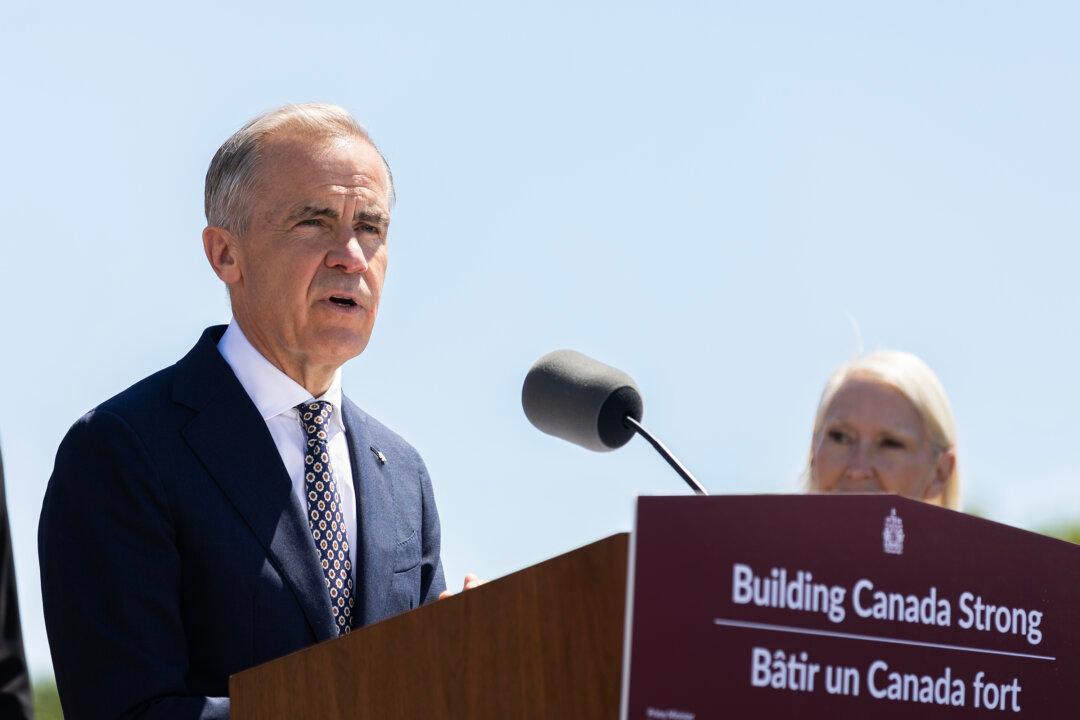
Prime Minister Mark Carney’s government has sought to “return immigration to sustainable levels” by decreasing new permanent and temporary resident admission targets.The plan notes that 3.3 percent of Canada’s population were temporary residents in 2018, and by 2024 the number had more than doubled to 7.5 percent. The plan calls this “an unprecedented rate of growth that put pressure on housing supply, the healthcare system, and schools.”
“Canada’s new government recognises that this system is no longer sustainable, and we are determined to make it so, for everyone who lives in and comes to this country,” the plan reads.
The plan pledges to reduce the target for new temporary resident admissions from 673,650 in 2025 to 385,000 in 2026, and 370,000 in 2027 and 2028. The plan also pledges to stabilize permanent resident admission targets at 380,000 per year for three years, down from 395,000 in 2025.
These targets will reduce the total number of temporary residents to less than 5 percent of Canada’s population by the end of 2027, and keep permanent resident arrivals at less than 1 percent of the population beyond 2027, the plan says.