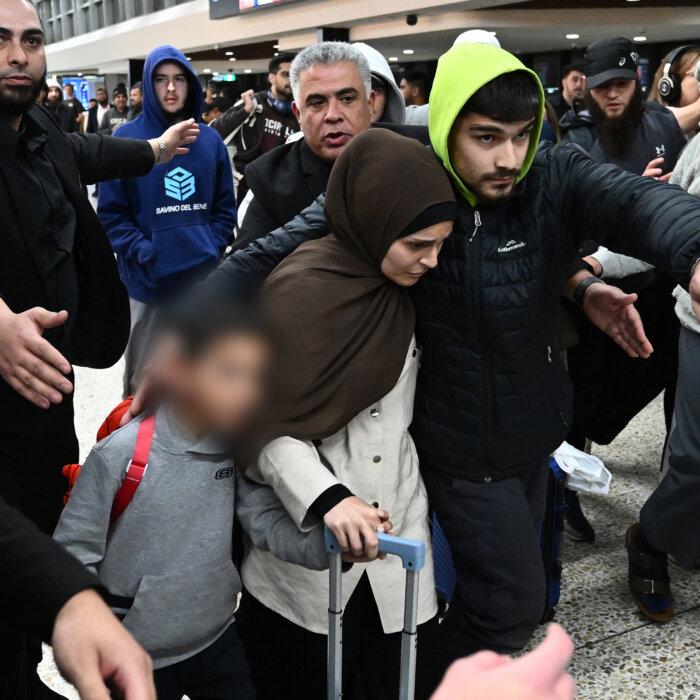
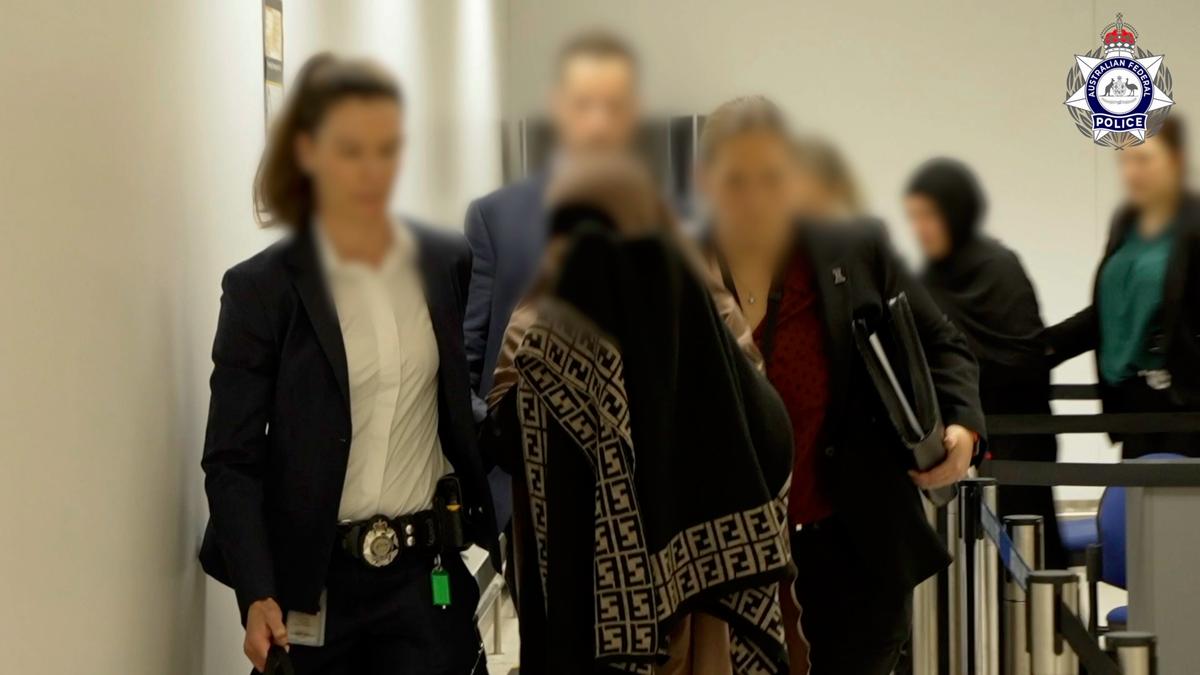
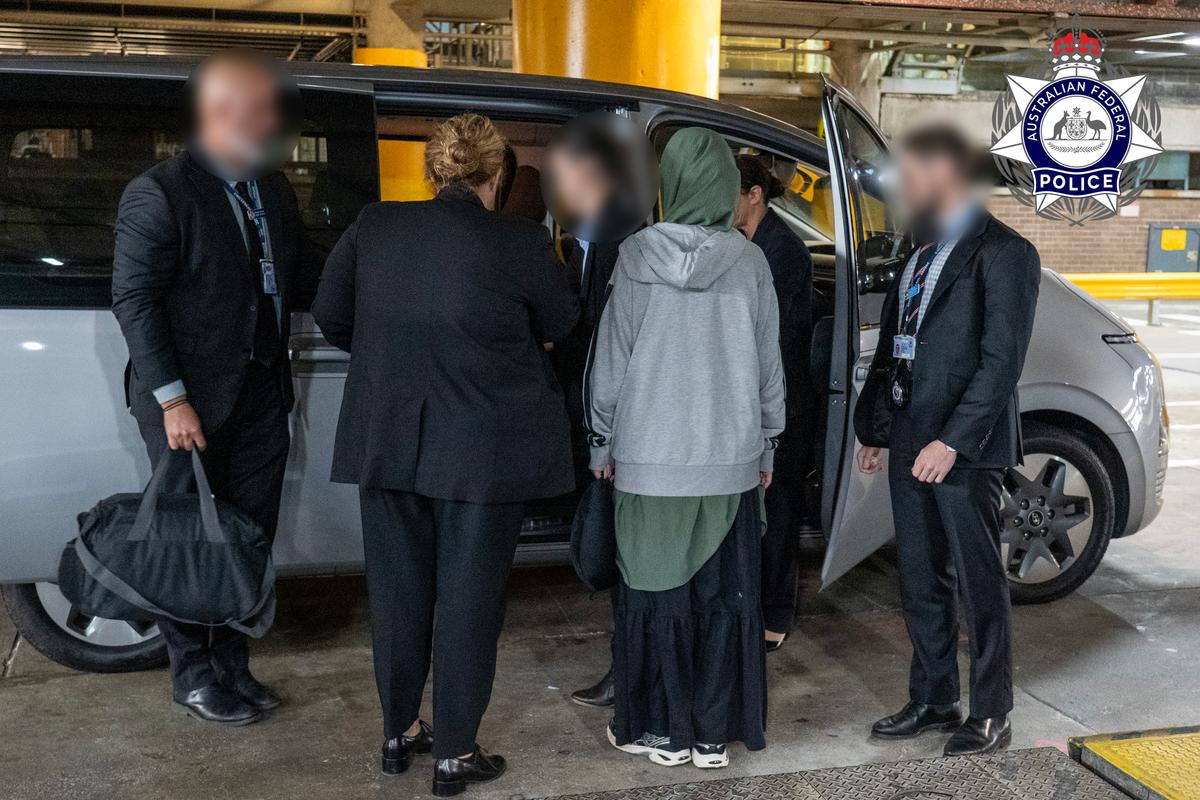
Four ISIS-linked women and their nine children returned to Australia on May 7.
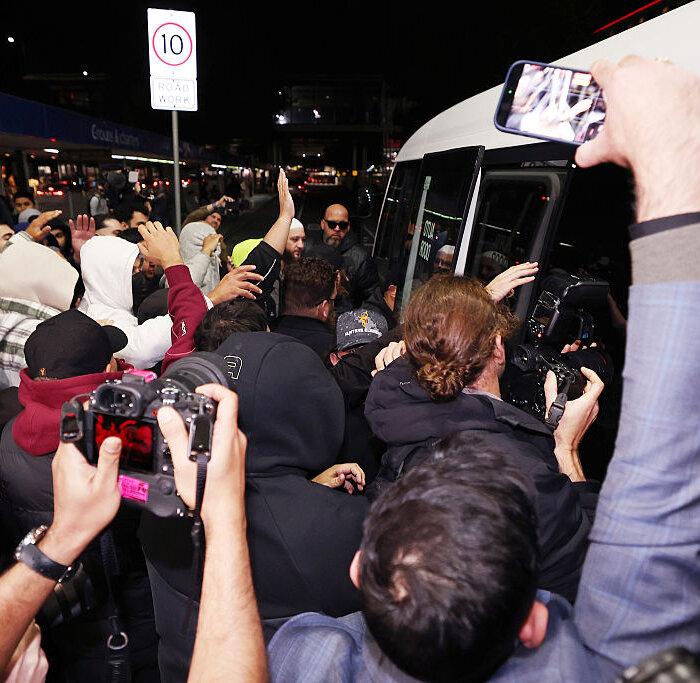
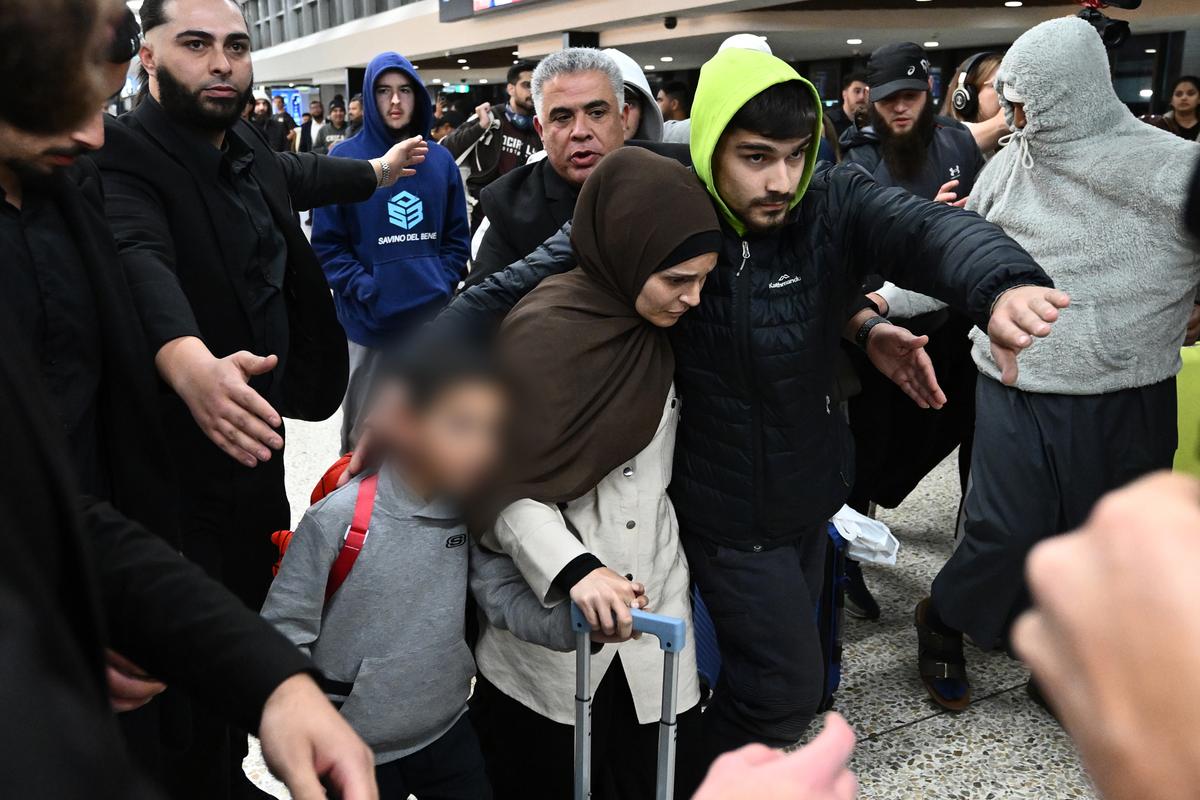
While in Sydney they were ushered off their plane quietly, in Melbourne they were mobbed by supporters and media.
The Australian Federal Police immediately arrested three of the four women. Two were charged with slavery offences, and a third with being a member of a terrorist group.
The women, who left Australia to support ISIS in Syria and Iraq, made frequent attempts to return after the regime fell in 2019.
One of them told media they wanted to come back for their children and because “it was like Hell” in Syria.
Yet a bigger question has emerged, and that’s whether the Australian government has the power to prevent citizens from returning even if they pose a potential national security risk.
Minister Says He Has Limited Power
Home Affairs Minister Tony Burke has maintained for months that he has limited power under the law to keep the group out of Australia, even from accessing social benefits.Further, Burke said he had no knowledge of when the women applied for their passports, saying it was a bureaucratic procedure that had run its course and that the department was following the letter of the law.
“Applications get made, they take time going through the bureaucracy, they take time going through a whole range of different checks, including security checks. It gets to the point where the bureaucracy decide that by law they have to issue, and they make decisions under law for any application for an Australian passport.”

Can the Minister Do More?
Professor Donald Rothwell is one of Australia’s leading international law experts and an author of 28 books.He says there are two ways Australian citizens have been barred from re-entering the country: either with TEOs, or during the COVID-19 pandemic under the Biosecurity Act when travellers were delayed from returning from overseas.
On the issue of issuing more TEOs, Rothwell says they require a high standard.
“The minister can only issue a Temporary Exclusion Order on the basis that somebody is known to have committed a terrorist offence in a foreign country and there’s no evidence of that in this particular case. Or on the basis of a security assessment provided to the minister by the Australian security agencies,” he told The Epoch Times.
“I think there can be some confidence that the security agencies have sufficient intelligence about one of those women to believe that such an order can be issued,” said Rothwell.
What About Cancelling Passports?
The federal opposition has pushed for the cancellation of passports under section 14 of the Passports Act 2005 where a competent authority may refuse or cancel a request for a passport if there is a potential for “harmful conduct.”Rothwell says the area is untested legally, but the High Court of Australia would likely recognise a citizen’s right to return, and that the “general proposition” is they are entitled to passports.
“International law says that there is a right of return for a national to their home country,” he said.
Yet former Liberal Foreign Minister Alexander Downer says the government does have such a power.
He also noted that if the individuals had dual citizenship, it would be easier to keep them out of Australia.
What About Just Changing the Law?
Instead of working around current laws, One Nation’s Barnaby Joyce says parliamentarians can simply change them.“And if the legislation is not strong enough to keep them there ... make the legislation stronger so they stay there.