The Motor Trades Association (MTA) of Queensland has joined a chorus of stakeholders calling for greater regulation of electric vehicles on the state’s streets.
The group appeared before a public hearing on Oct. 2 as part of the Inquiry into e-Mobility Safety and Use in Queensland.
Safety Concerns Raised
MTA Queensland CEO Rod Camm said the rapid growth of e-mobility offered opportunities but also posed“serious regulatory challenges.”“A clear distinction must be made between legal, compliant devices and the increasing presence of illegal, unsafe vehicles on our roads,” he said.
“Through a lack of action by governments, an entire illegal industry has been allowed to disrupt reputable and compliant businesses across Australia.”
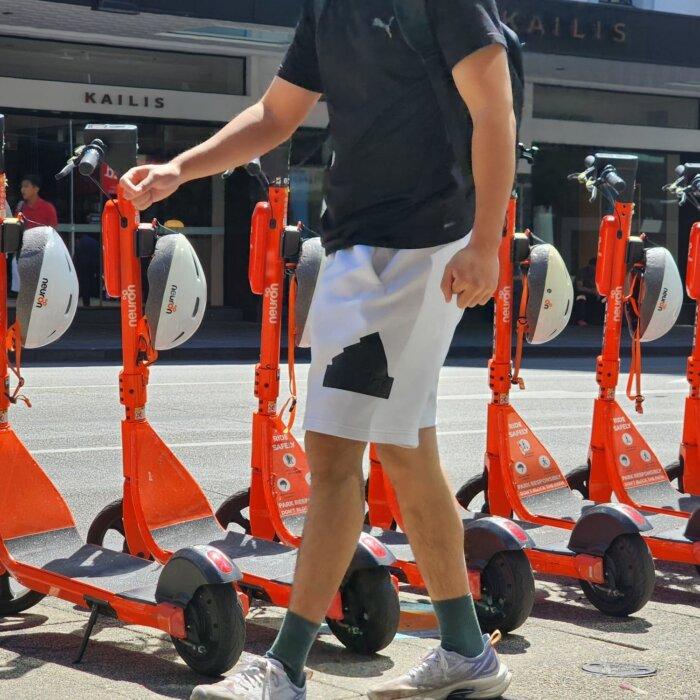
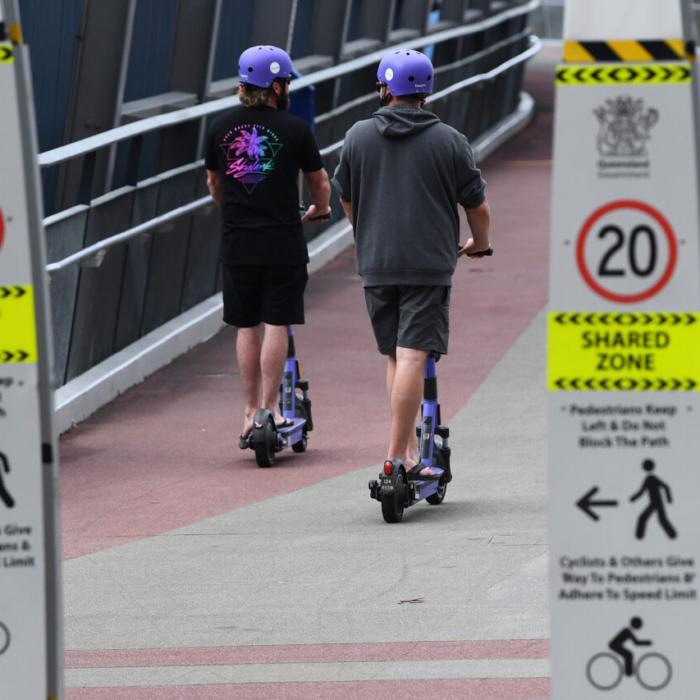
Camm said unsafe imports had been linked to serious injuries and death, and urged a crackdown.
“The only effective path forward is strong, immediate enforcement,” he said.
The association is calling for a ban on illegal devices, including confiscation and disposal, penalties for businesses selling them, stronger state and federal enforcement, public education on safe use, and nationally consistent standards.
Pedestrian Safety Focus
The Pedestrian Council of Australia has called for e-scooters and bikes to be banned from footpaths, and for riders to be licensed and registered.Its submission said footpaths are becoming “no-go” zones for children, the elderly, and disabled.
The group recommended a minimum rider age of 17, compulsory licence plates for identification, comprehensive insurance similar to motor vehicles to ensure compensation for crash victims, and a maximum speed of 10km/h on shared paths.
Brisbane landscape architect Nader Ibrahim also raised concerns about abandoned scooters, saying head witnessed a wheelchair-bound man struggle to push a discarded e-scooter out of his path.
Proponents Highlight Benefits
A range of perceived benefits have been put forth by proponents of e-mobility vehicles.The Australian Electric Vehicle Association said the devices offered the “best way to decarbonise our commute” as they were capable of more movement on minimum energy than other type of vehicle.
However, the association also called for better regulation amid a history of crashes, fatalities, and fire risk from charging lithium batteries.
The group is calling for harmonised legislation, a national speed limit of 15km/h on footpaths, and 25km/h on roads, as well as size and weight requirements for devices.
E-scooter hire company Lime argued the devices supported jobs through multiple avenues, operational investment, and infrastructure support.
Theey noted that 65 percent of riders made purchases at local stores before or after a trip.
According to Lime, research from the U.S. shows e-scooter use increases restaurant patronage and helps inject millions into local economies.
Lime urged Queensland to adopt laws allowing e-mobility devices to be used on roads like bicycles.
The inquiry is continuing.