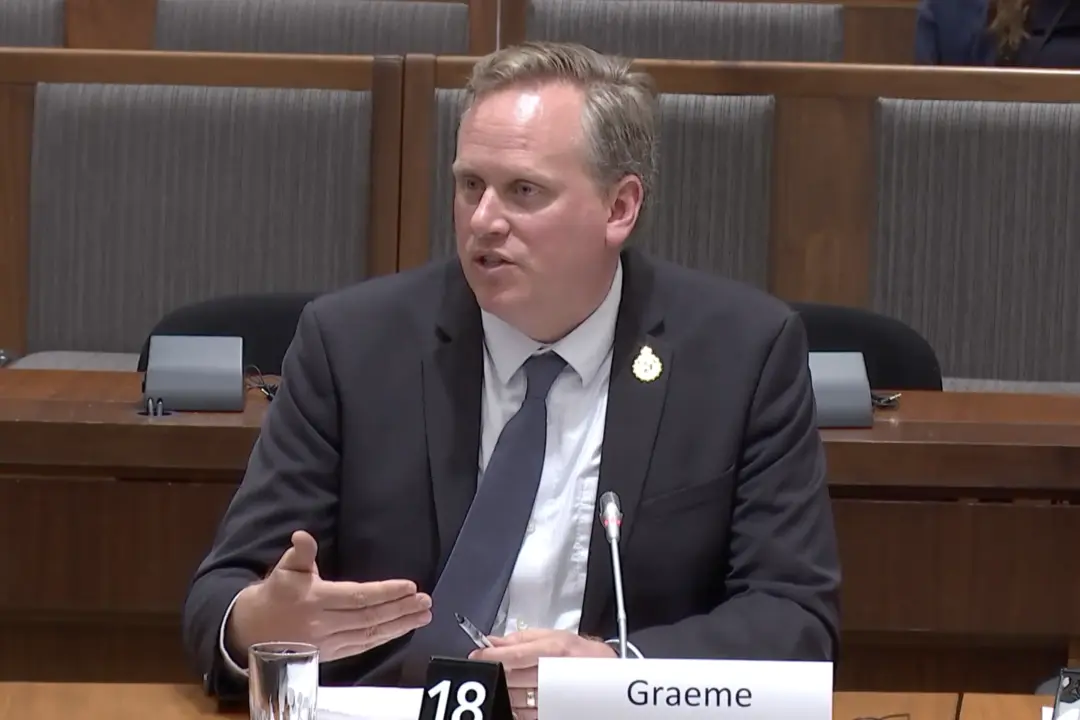
The parliamentary budget watchdog is welcoming the Liberal government’s decision to shift the release of its budgets to the fall from now on, but says its new definition of capital spending is “overly expansive.”
“This will allow for better alignment between the budget and the Main Estimates and ensure that parliamentarians have a more comprehensive federal spending plan before they are asked to approve money for the new fiscal year,” the PBO wrote.
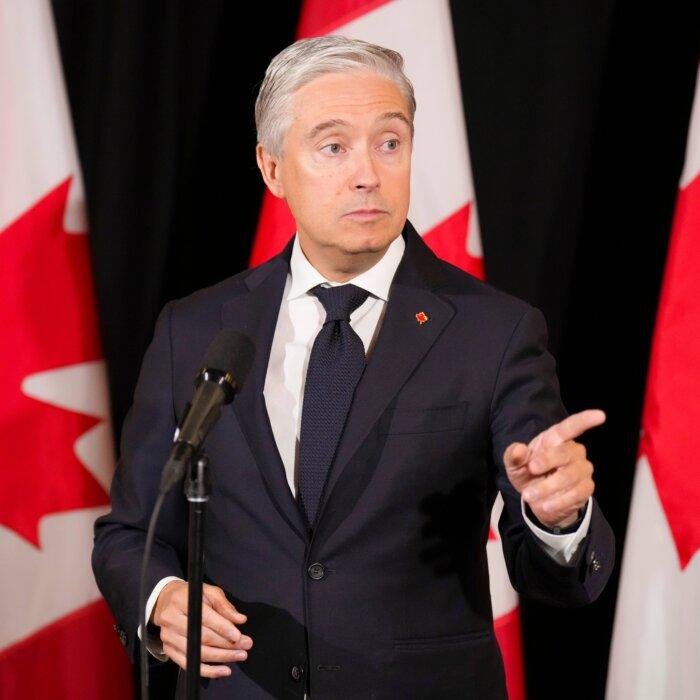
The government also intends to separate day-to-day operational spending from capital investment in all federal budgets moving forward, Champagne said. The change intends to guide decisions and prioritize investments like major projects, housing, clean energy, and infrastructure, and will provide a “clearer picture” of Canada’s investments, he said.

Capital Investment Definition
However, the PBO says the government’s new definition of capital investment is “overly expansive and exceeds international practice such as that adopted by the United Kingdom.”The document says the new definition intends to focus on capital investments where the funding recipient is required to invest in capital formation to receive the benefit, and where the spending encourages or enables capital investment in identifiable sectors or projects.
This would include spending such as corporate income tax expenditures, operation subsidies, and measures to grow the housing stock, which the PBO says will “likely overstate the actual contribution of federal government spending to non-residential capital formation in the economy.”
Spending that doesn’t fall under capital investment would be considered day-to-day operating spending, such as major government expenditures like transfers to persons, health and social transfers, as well as the costs of running government operations and services.
Public Accounts
The PBO views the government’s new budgetary framework as an improvement in transparency and accountability, the report says, but notes there is still a gap in the timely publication of the public accounts. The PBO said the public accounts have yet to be tabled for the 2024–25 fiscal year, which ended on March 31.The PBO has previously recommended the federal government move the required release date of the public accounts from Dec. 31 to Sept. 30 to better “align with parliamentary recommendations, OECD practices, and IMF guidelines for advanced practice in financial reporting,” the report says.
Making this change would also provide parliamentarians with “timely and clear information” about government finances, the PBO wrote.
The report says the PBO looks forward to the release of the Liberal government’s budget on Nov. 4 and will provide a more “in-depth” assessment on the government’s new budgetary framework when additional details are released.