The city of Brisbane is set to invest $15 million (US$9.7 million) to deliver an artificial intelligence (AI) traffic monitoring system at key intersections across the city.
The system will replace existing infrastructure dating back to the 80s and 90s, which largely uses road-embedded sensors to monitor traffic.
Brisbane Mayor Adrian Schrinner told The Epoch Times the new technology would help make commutes safer by applying real-time intelligent processes to monitor traffic.
“We live in one of Australia’s fastest-growing capital cities, which is why we’re investing in better technology to keep Brisbane moving,” he said.
“Smart technology like AI has helped improve traffic flow in other parts of the world.”
The decision to trial AI in traffic monitoring was made following an industry briefing with global experts in November 2024, which focused on improving conditions.


Schrinner was hopeful that drivers could move more freely on Brisbane’s busy roads under the guidance of AI.
“Brisbane traffic drops by an average of just 6 percent during school holidays, so smarter technology has enormous potential to help ease congestion right across our city every day,” he said.
“Our existing traffic system was first introduced when mobile phones were bricks and we used floppy disks instead of the cloud.
“The latest traffic technology can learn, predict, adapt, plan, and control our existing traffic network to help people get around our city sooner and safer.”
The council will now begin a formal procurement process to deliver the technology.
Finer details of the technology will be confirmed once the tender process has been finalised.
The Congested City
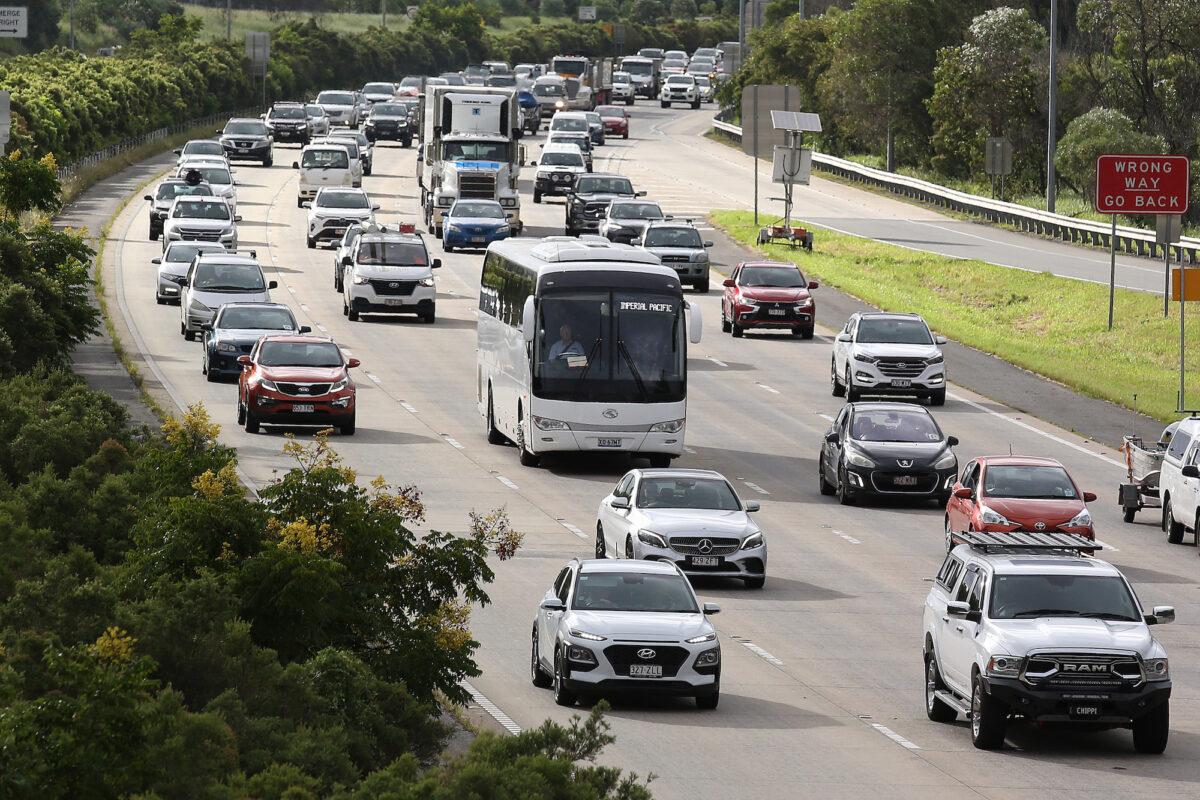
The Inrix 2024 Global Traffic Scorecard listed Brisbane as one of the most congested global cities.Traffic congestion can be linked to lower quality of life and greater environmental harm due to vehicles spending more time on the road.
In 2023, the average motorist lost 74 hours of time to idling in traffic, suggesting the congestion issue has deteriorated.
Brisbane’s figures are worse than those of busy cities such as Bangkok, where drivers lost 74 hours to traffic congestion, and Toronto, where drivers lost an average of 61 hours.
While a post-COVID return to the office has been blamed in part for an overall increase in traffic congestion, it’s feasible that Queensland’s influx of domestic migrants might also have played a part.
While many domestic migrants have headed to the regions, many services are still based in the state’s capital.
More than 120,000 people moved to Queensland in the year to September 2023, with another 104,491 arriving in the 12 months after.