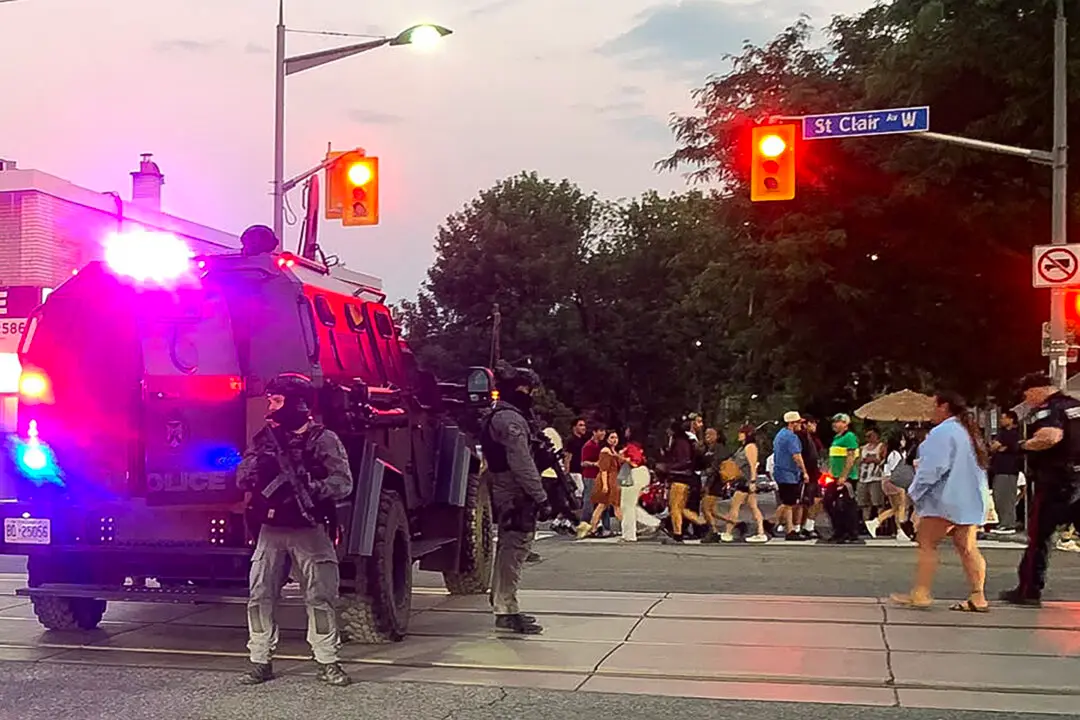
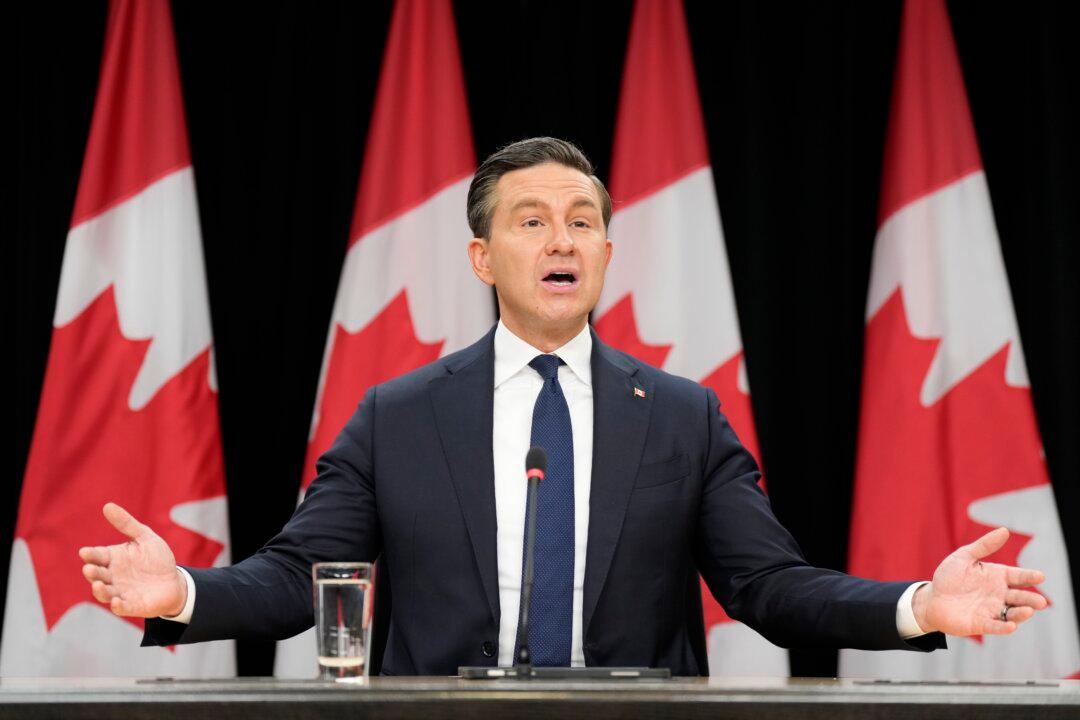
Toronto Police Chief Myron Demkiw also called on the federal government to change the law so that public shootings are easier to prosecute as first-degree murder, regardless of motive. Such incidents, he said, should be treated with “the utmost seriousness.”
But what is the best way to prevent such public shootouts?
Experts interviewed by The Epoch Times offered different answers, ranging from harsher penalties and stricter bail laws to stopping illegal firearms before they reach criminals and addressing the social conditions that contribute to violent crime.
Deterrent
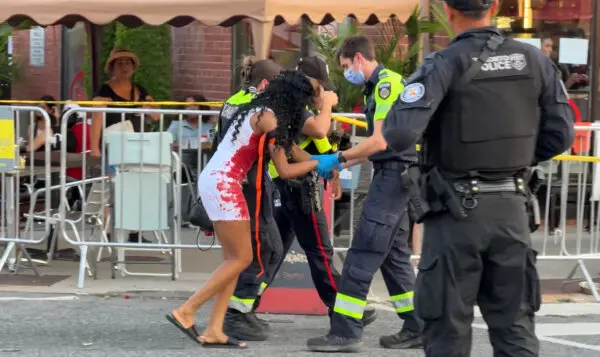
Security consultant Phil Duncan, a former drug and gang unit police officer, said making it easier to prosecute public shootings as first-degree murder could discourage criminals from opening fire in crowded places.“[If] everybody could come in, all the police chiefs, and the court system and the community ... and get this up to first degree, I would agree with that,” he said in an interview with the Epoch Times. “That would be one of the main things to deter this type of stuff.”
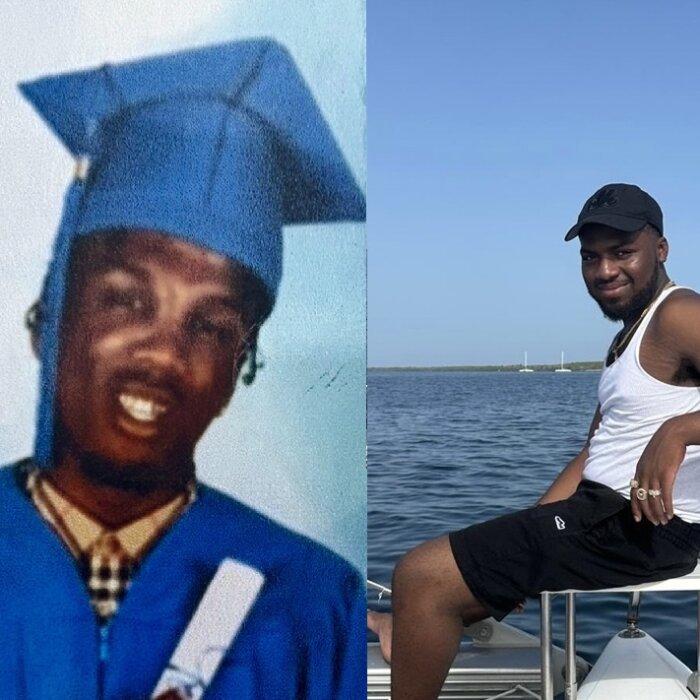
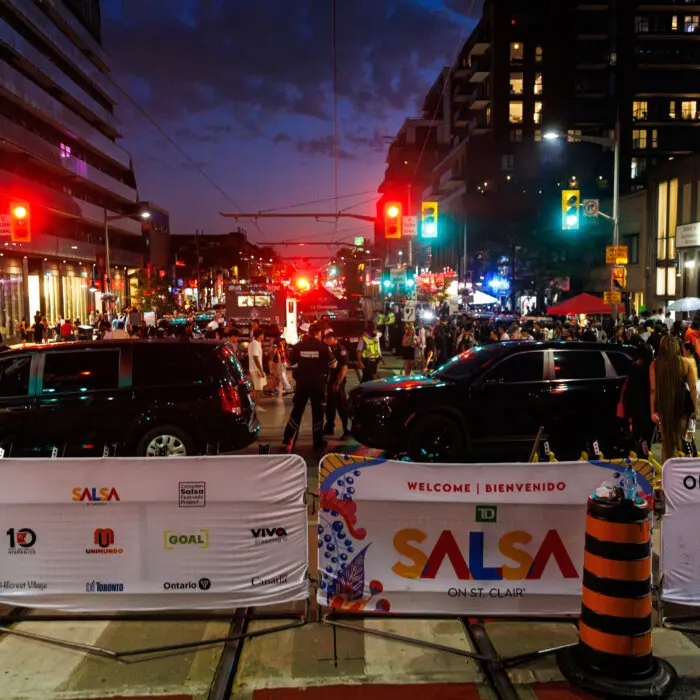
Under Canada’s Criminal Code, both first- and second-degree murder carry mandatory life sentences. However, people convicted of first-degree murder are ineligible for parole for 25 years, while parole eligibility for second-degree murder is set by the court at between 10 and 25 years.
Generally homicide can only lead to first-degree murder charges if it’s proven in court that foresight went into the murder of the deceased individual, or that the murder occurred via a terrorist act or at the behest of a criminal organization.
Demkiw’s proposed change would make the most significant difference in cases involving a spontaneous or mainly unplanned public gun battle, where murder can be proven but planning and deliberation cannot.
Criminal defence lawyer and political commentator Ari Goldkind told The Epoch Times that violent criminals don’t tend to care much about the penalties on the books, but a more “muscular” approach to bail would improve safety.
“If you’re going to terrorize a public festival, a street fest, a gathering, the chief makes a valid point that there can be a discussion about different routes in our law to first-degree murder,” Goldkind said.
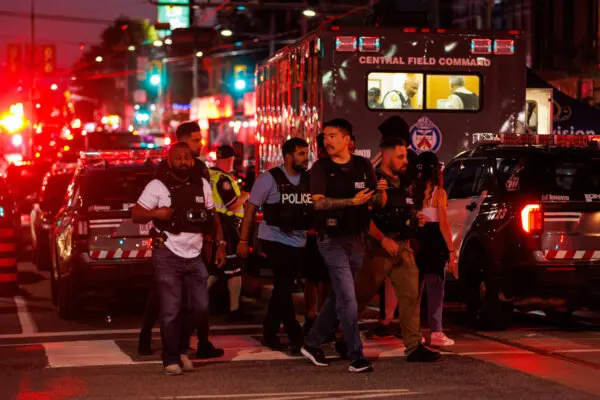
“It seems to be at least a worthy subject of debate—that if you hold this kind of gunfire and mayhem in a crowded space, perhaps there’s another pathway to first-degree murder,” he added.
Jane Sprott, a criminology professor at Toronto Metropolitan University, took a different view, arguing that harsher sentences would do little to address the social conditions behind violent crime.
“If fiddling with sentences and making them increasingly harsh led to less crime, the U.S. would be the safest place on earth,” Sprott told The Epoch Times.
“Unfortunately, addressing complex social problems needs more than a pencil and eraser to change a maximum sentence.”
By contrast, retired Toronto police homicide detective Steve Ryan said stronger deterrent is needed so that the “risk of being identified, arrested, prosecuted, convicted, and spending multiple multiple multiple years behind bars must outweigh any perceived reward of shooting a rival.”
Bail Reform?
Goldkind pointed to Deputy Mayor Colle’s reaction at the press conference—interrupting it to call on the federal government to change the law—as an example of the “righteous anger” many Torontonians feel.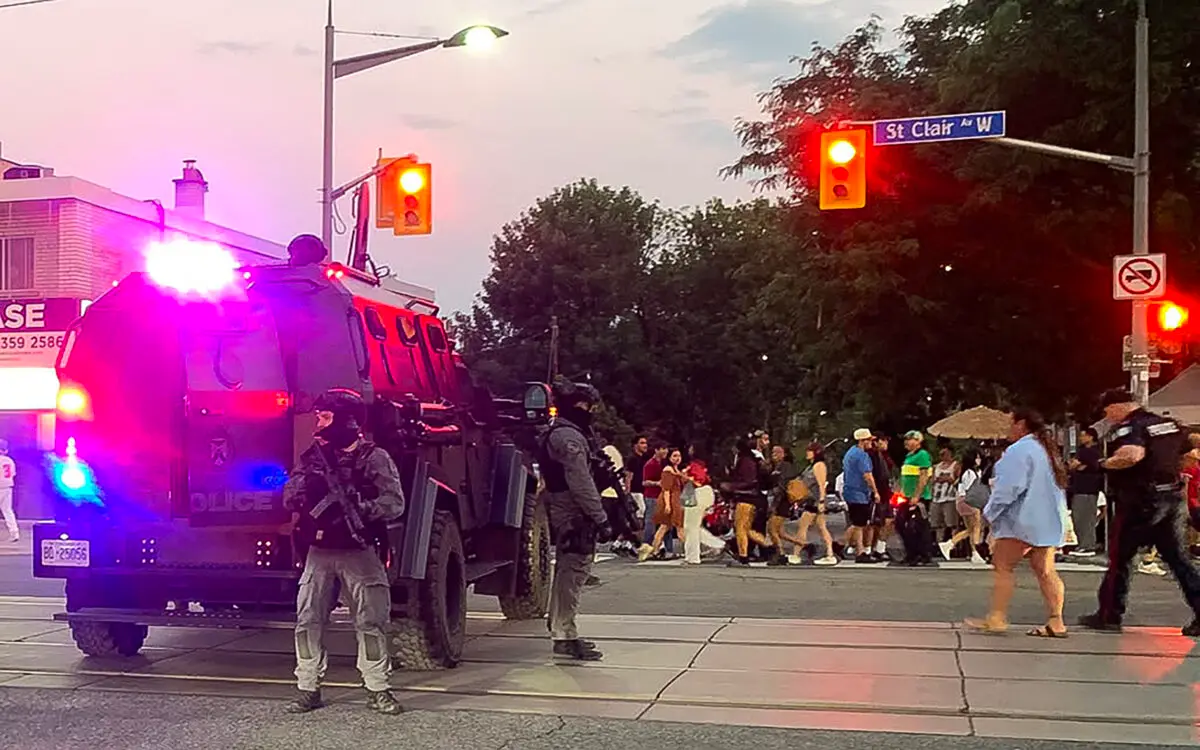
“Until there is something muscular that starts to prioritize the rights of the peaceful and law-abiding over the rights and responsibilities of those who aren’t, there will never be significant change,” he said. “It starts with an attitude, a taking off of the politically correct gloves. It starts with a change in the zeitgeist.”
Canada’s laws on sentencing and bail have changed repeatedly over the past several decades.
Regarding bail, the Trudeau government’s Bill C-75 amended the Criminal Code in 2019 to explicitly state that “a peace officer, justice or judge shall give primary consideration to the release of the accused at the earliest reasonable opportunity and on the least onerous conditions that are appropriate in the circumstances.”
The Trudeau-era principle remains in the Criminal Code, although Carney’s Bill C-14 reforms add guidance emphasizing that the law does not require release and must be applied with public safety in mind.
Goldkind said the bail system needs a fundamental change in emphasis including “a total restructuring of the bail system to focus much more on dangerousness rather than demographic or other less relevant considerations.”

Illegal Guns
Former West Vancouver Police Chief Kash Heed said in an interview with The Epoch Times that sentencing and bail changes would have limited effects as deterrents because violent criminals generally aren’t thinking of punishment when they open fire. Instead, he calls for broader deterrent measures.“They’re not thinking of getting sentenced to 20 years in jail,” Heed said, referencing the jail term cited by Deputy Mayor Colle. “Even in the United States, they’re not thinking the fact that they may face the death penalty when they pull out that firearm and they use it.”
Heed said “classical punishment” is no longer sufficient to deter many criminals. He called for tougher penalties for individuals convicted of illegally selling or importing firearms, illegally converting guns, or manufacturing illegal “ghost guns.”
“The deterrent should be at that level even before we get to such a violent crime,” he said.
Lasting Change
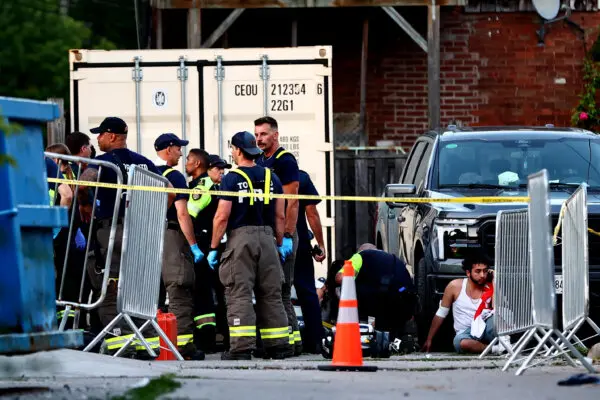
Heed said the pattern following high-profile shootings has become familiar: initial outrage and calls for change, followed by a decline in public attention and lack of much real change.“What you’re going to see, and we’ve seen this so many times before... you‘ll see the outcries because of what happened in the Salsa festival. It’ll die down,” he said.
“It will fall off the minds of people until the next incident,” Heed added.
Lawyer Goldkind says that to bring about change, decision-makers should go beyond just making statements.
“When the violence spreads like this, the response—as milquetoast as it always is: shock, thoughts, and prayers, and ’this isn’t us,' which are all just empty words—will never make change,” he said.
Meanwhile, security consultant Duncan says the heightened risk is undermining safety at big public events.
“I just said today to my wife that we won’t be going to one of these things that we had planned,” he said. “I can’t guarantee my family’s safety, so I’m not. I don’t even want to go to big public events.”
Toronto police chief Demkiw, while calling for stronger deterrents, said ensuring safety needs cooperation with stakeholders.
“It’s going to take a comprehensive table of stakeholders to come together and work on what that looks like over time,” he said.