Energy Minister Chris Bowen has announced a shake-up of electricity pricing rules, just days after major providers revealed steep increases to household energy bills starting in July.
The reform is expected to be implemented before the next pricing cycle in 2026 and is aimed at easing cost pressures on consumers.
“Next year, the government will be delivering a reformed pricing mechanism,” Bowen said in an address at the Australian Energy Week conference in Melbourne on June 18.
“This will be designed to get the best deal for consumers and act as the maximum price retailers can charge for standing offers in DMO regions.”
Currently, the Australian Energy Regulator (AER) sets the default market offer (DMO) for New South Wales (NSW), South East Queensland, and South Australia.
Meanwhile, Victoria operates under its own model, the Victorian Default Offer, which is determined by the Essential Services Commission.
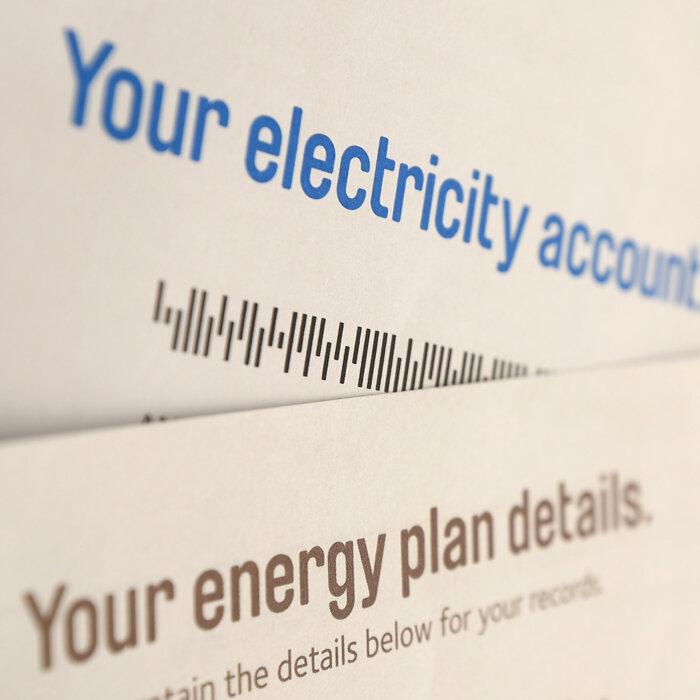
Bowen said the new mechanism would better align DMO states with Victoria, where this year’s price hikes have been less severe in comparison.
Current Model Failing to Protect Households
The DMO was originally intended to act as a safety net to prevent price gouging, while allowing retail competition to drive better deals. But Bowen acknowledged the current system isn’t functioning as intended.“I’ll be frank. I don’t think it’s working that way and reform is needed,” he said.
With around 80 percent of households paying more than they need to, Bowen said it’s hard to justify a system that puts the burden of deal-hunting on customers.
“We know it could be so much simpler,” he said.
The proposed changes would not only help reduce power bills but also support better integration of consumer energy technologies like rooftop solar and home batteries.
Price Hikes Add to Household Strain
Bowen’s announcement follows confirmation from AGL and Origin Energy that millions of households will face price rises starting July 1.AGL customers in NSW will see the sharpest increase, with electricity bills jumping 13.5 percent—equivalent to about $267 more per year.
South Australian households will face a 7.8 percent rise, followed by 7.5 percent in Queensland and 6.8 percent in Victoria, which adds roughly $110 annually.
Origin Energy will lift electricity prices by 9.1 percent in NSW, 5.5 percent in South Australia, and between 3 to 4 percent in Queensland. Victorian rates are still pending.
Gas bills are also set to rise, with Victorian users expected to see the steepest jump—an $85 increase on average.
These figures reflect the average yearly changes for customers on variable-rate market contracts, though individual impacts may vary.
AGL, which supplies energy and telco services to 4.5 million customers, said the hikes were due to continuing wholesale and infrastructure cost pressures.
“We carefully consider the impact on our customers and remain committed to supporting those experiencing financial difficulty,” an AGL spokesperson told The Epoch Times.
The federal opposition criticised the Albanese government’s handling of energy prices, arguing its market interventions have failed.
“They imposed price caps that haven’t worked. They’ve completely failed, and we continue to see price hikes,” Shadow Defence Minister Angus Taylor told Sky News Australia.