The Canada Border Services Agency (CBSA) has approximately 500 officers handling the removal of more than 32,000 unaccounted-for illegal immigrants, the agency’s president says.
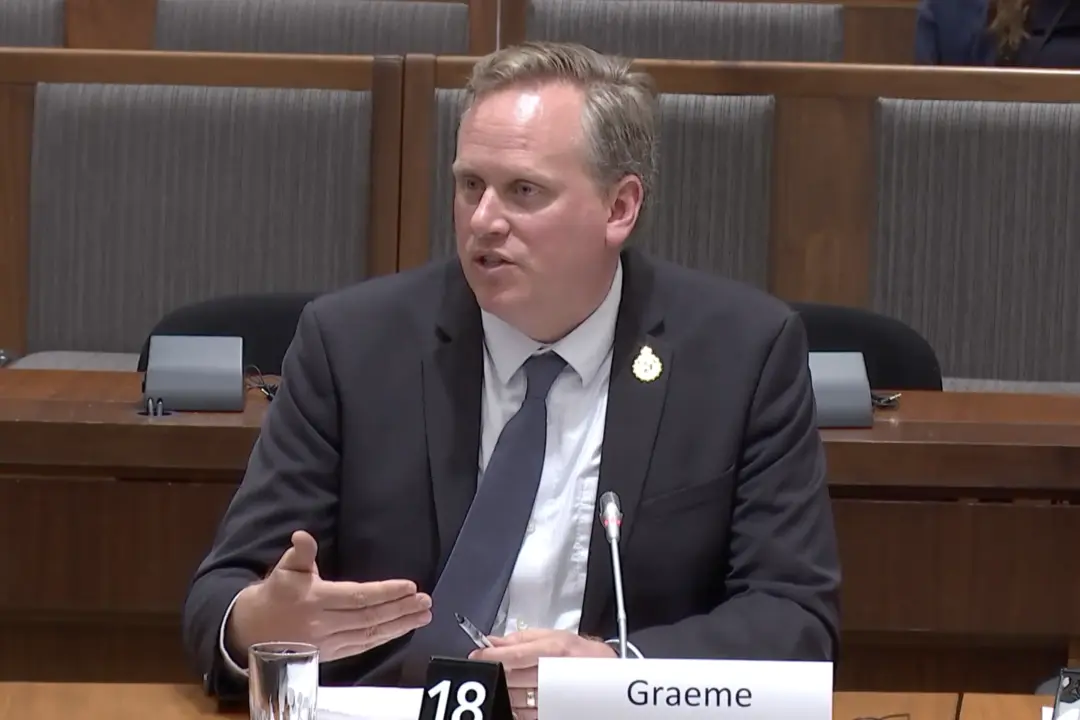
“Approximately 500 people are doing removals,” O’Gorman told MPs at the Nov. 6 committee meeting, noting there are 1,000 inland enforcement officers in total who deal with the enforcement of the Immigration and Refugee Protection Act.
“They may occasionally do a hearing. They may be dealing with somebody in detention. You’re pinning me down to one number when we have quite a dynamic workforce, but I can say approximately half of those people are dealing with removals.”
O’Gorman noted that she was giving an approximate figure in saying 500 CBSA officers are carrying out removals “because there’s a lot going on in our inland enforcement.”
“They relate to individuals who are in Canada, who perhaps should not be here, who are in Canada, who might pose a risk to Canadians and are in detention, or are having their ... hearing, and our officers will be representing the minister if we have concerns.”
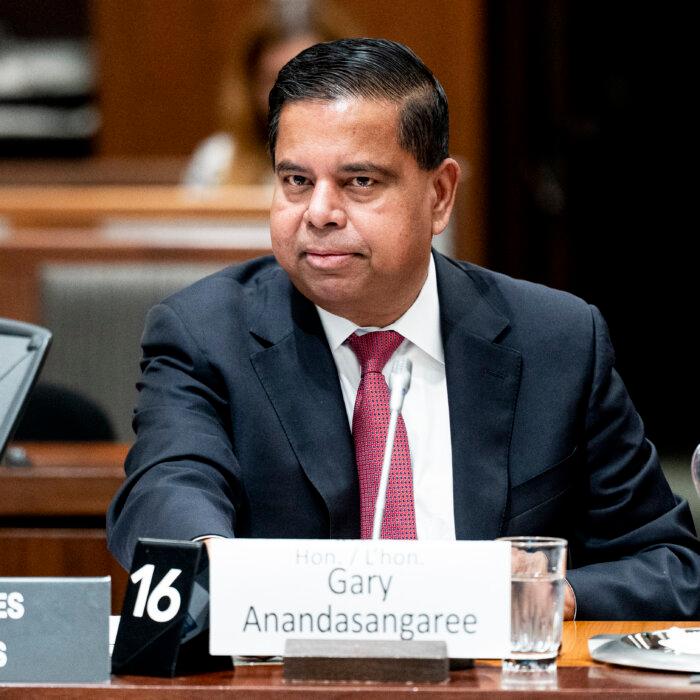
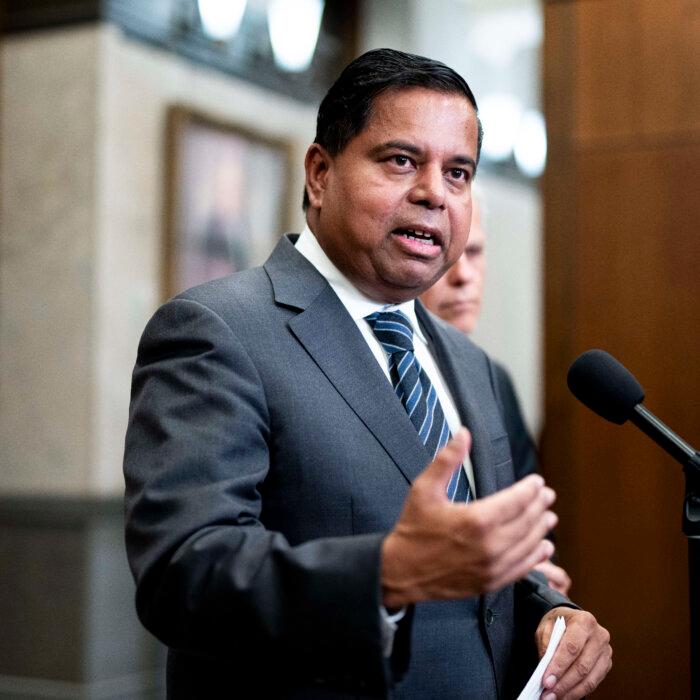
Anandasangaree told MPs that the CBSA removed more than 18,000 inadmissible people in the 2024–25 fiscal year, which he said was the highest number of removals in a decade and represented an increase from roughly 16,000 removals the previous year.
Bill C-12
Bill C-12, introduced by Anandasangaree on Oct. 8, aims to combat transnational organized crime, stop the flow of illegal drugs, crack down on money laundering, and “improve the integrity” of the immigration system. The bill draws on elements of the Liberal government’s Bill C-2, which was introduced in June.The new bill contains many of the same measures from the June bill, such as allowing border officials to cancel, suspend, or change immigration documents or new applications, protect the asylum system from sudden increases in claims by introducing new ineligibility rules, and improving how asylum claims are received, processed, and decided, among several other measures.
The Liberal government has left out certain provisions from C-2 that were criticized by opposition parties, such as those that would expand law enforcement’s access to data, private communications, and mail. It also doesn’t contain the provisions that would make it a criminal offence for “certain entities” to accept cash donations, deposits, or payments of $10,000 or more, and those that would give Canada Post expanded authority to open private mail during inspection. Those provisions will continue to move through Parliament under Bill C-2.
“After we introduced Bill C-2, the Strong Borders Act, in June, parliamentarians and stakeholders expressed concerns about provisions in the bill. Our government listened with this new Bill C-12,” Anandasangaree told MPs at the Nov. 6 committee meeting.
He said he believed Bill C-12 strikes “the right balance between the need to protect our borders and Canadians’ privacy rights,” noting C-12 was introduced because of an “urgency to get law enforcement the tools they need.”