The contract covers the production of 25 F-15IA aircraft for the Israeli Air Force, with an option for an additional 25 jets, under the U.S. government’s Foreign Military Sales (FMS) program, according to a daily contracts announcement issued by the U.S. Department of War on Dec. 29.
The Pentagon said the contract has a ceiling value of $8.57 billion and includes work on design, systems integration, instrumentation, testing, production, and aircraft delivery.
Initial funding of $840 million was obligated at the time of award.
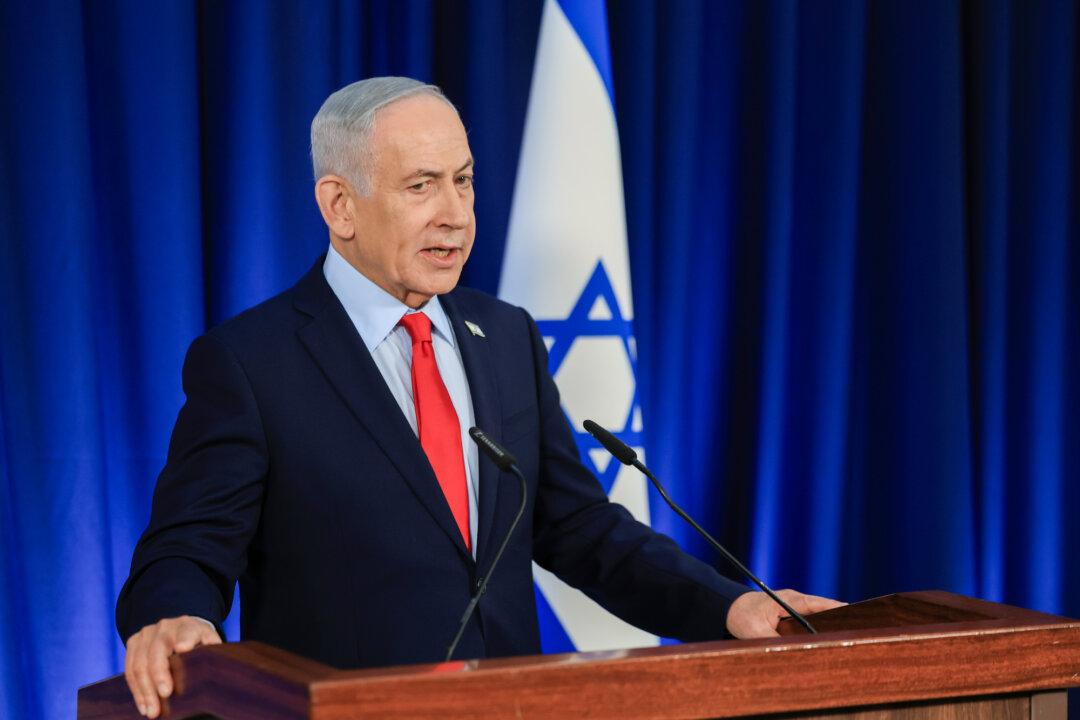
The announcement follows the meeting between U.S. President Donald Trump and Israeli Prime Minister Benjamin Netanyahu in Palm Beach, Florida, on Dec. 29.
The two leaders discussed updates on the future of the Gaza Strip and continued security threats within the region around Israel.


Work on the F-15 Israel Program will be performed primarily in St. Louis, Missouri, and is expected to be completed by Dec. 31, 2035.
The U.S. Air Force Life Cycle Management Center at Wright-Patterson Air Force Base in Ohio is the contracting activity, according to the announcement, which identified the deal as a sole-source acquisition.
The FMS is authorized by the Arms Export Control Act and is a central tool of U.S. foreign policy, according to the Defense Security Cooperation Agency.
Under the law, the U.S. government may sell defense equipment and services when the president determines the transfer will strengthen U.S. security and promote international stability.
Advanced F-15 Fleet
The new aircraft will form part of what Boeing describes as a modernized and advanced F-15 fleet for Israel, consisting of the new F-15IA variant alongside upgraded Israeli F-15I aircraft, according to the company’s Israeli website.The F-15IA and upgraded F-15I+ models are designed to have lower operating costs, longer range, improved performance, and greater weapons-carrying capacity than earlier versions of the aircraft.
The company says both platforms feature an expanded sensor envelope intended to improve operational efficiency across a wide range of missions.
Boeing said the aircraft will incorporate advanced avionics, including a powerful mission computer, an active electronically scanned array radar, and fly-by-wire flight control systems on the F-15IA variant.
The jets will also integrate Israeli-developed technologies, such as cockpit displays, missile warning systems, and digital helmet-mounted displays.
Last year, pro-Palestinian and anti-war protests spread across the United States as students and activists set up encampments at dozens of universities, demanding a cease-fire in Gaza and urging institutions to divest from companies they said were linked to Israel’s military campaign.
Some demonstrations led to arrests and police interventions as university administrators moved to dismantle the camps.
The Trump administration brokered the Gaza cease-fire in October, presenting it as part of broader diplomatic efforts to reduce regional tensions.