This copy is for your personal, non-commercial use only. Distribution and use of this material are governed by our Subscriber Agreement and by copyright law. For non-personal use or to order multiple copies, please contact The Epoch Times Reprints.
Microsoft tycoon Bill Gates speaks at the Global Alliance for Vaccines and Immunization conference in London on June 13, 2011. Paul Hackett/AFP/Getty Images
Bill Gates has called on the United Nations to make a “major strategic pivot” from what he termed its “doomsday view” of climate goals toward alleviating poverty and funding vaccines.
If given a choice between eradicating malaria and a tenth of a degree increase in warming, “I’ll let the temperature go up 0.1 degree to get rid of malaria. People don’t understand the suffering that exists today,” Gates told reporters during a roundtable discussion on Oct. 28.
In a 17-page post released on his 70th birthday, the billionaire Microsoft co-founder said his shift is a pragmatic stance following cuts to foreign aid made by wealthier countries, led by the United States, which he said is impacting vaccine funding.
The Gates Foundation is a major donor to global health institutions, including the Global Alliance for Vaccines and Immunization and numerous research programs.
Some vaccine programs funded by the Gates Foundation in the developing world have come under criticism for issues of consent and transparency and for causing serious side effects, including deaths. In 2017, the Indian government cut some funding ties with the Gates Foundation on immunization programs, citing conflicts of interest.
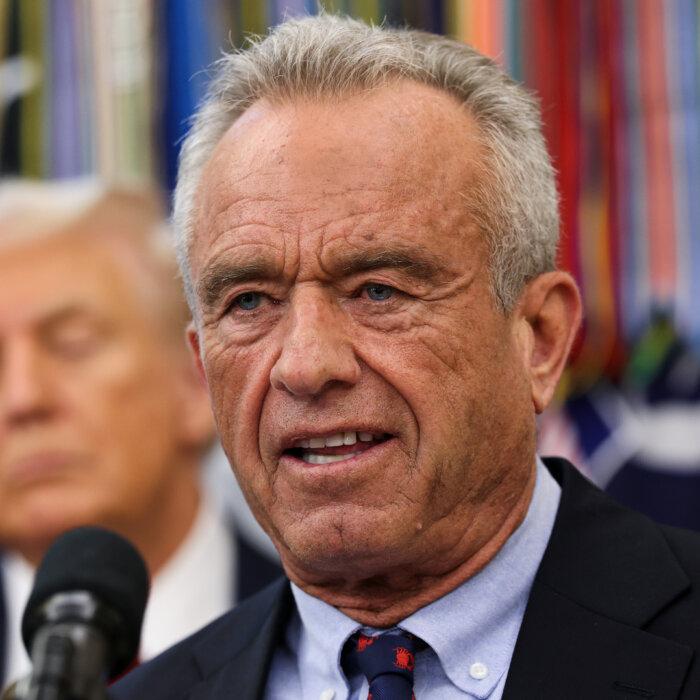
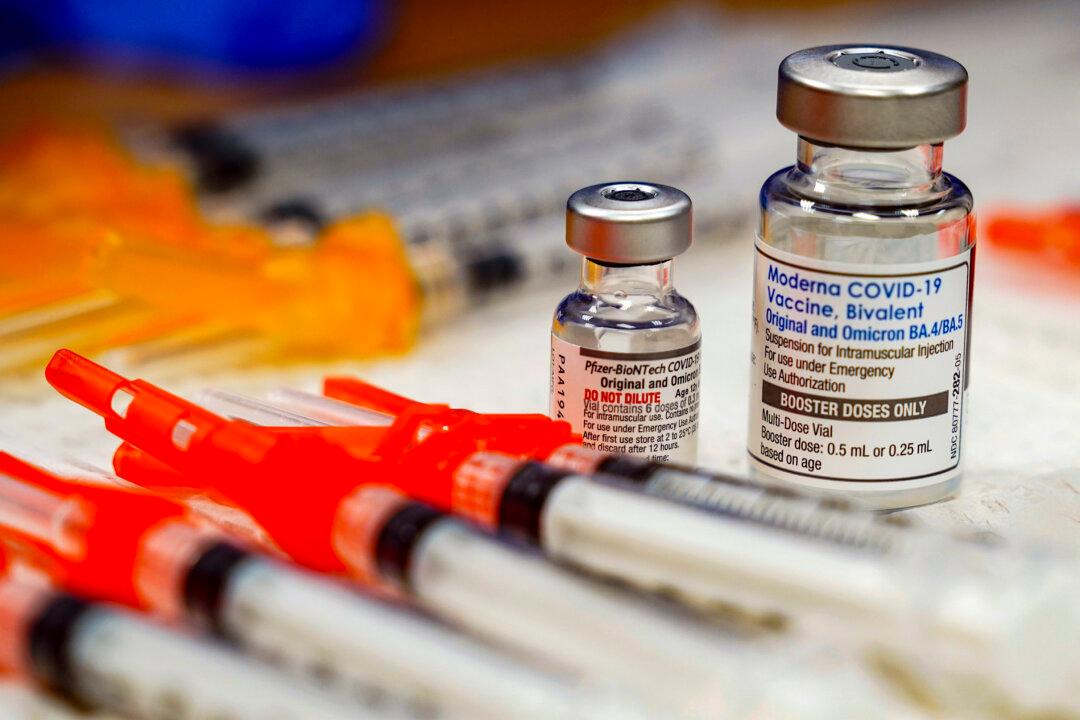
More widely, the safety and efficacy of vaccination are being questioned in the wake of the COVID-19 jabs, which Gates was heavily involved in promoting. U.S. Health and Human Services Secretary Robert Kennedy Jr., a longtime critic of the Microsoft billionaire, recently announced a comprehensive review into the safety of childhood immunizations.
Malaria and Malnutrition
Gates said he still regards climate change as a problem that needs to be solved, alongside malaria and malnutrition, but temperature targets alone are not the best metric for human welfare, in his view.
He said that vaccines ought to be a priority for funding because they improve health outcomes and lead to stronger, more resilient communities that he said are better equipped to adapt to climate challenges.
Gates cited research from the University of Chicago Climate Impact Lab that found projected deaths from climate change fall by more than 50 percent when accounting for the expected economic growth over the rest of this century.
In the post, written ahead of the UN COP30 climate summit in Brazil next month, which he will not attend, Gates said he did not believe the funds designated for climate goals were being spent on “the right things.”
Gates wrote that the bar must be “very high” for what’s funded with aid money.
“If you have something that gets rid of 10,000 tons of emissions, that you’re spending several million dollars on,” he said, “that just doesn’t make the cut.”
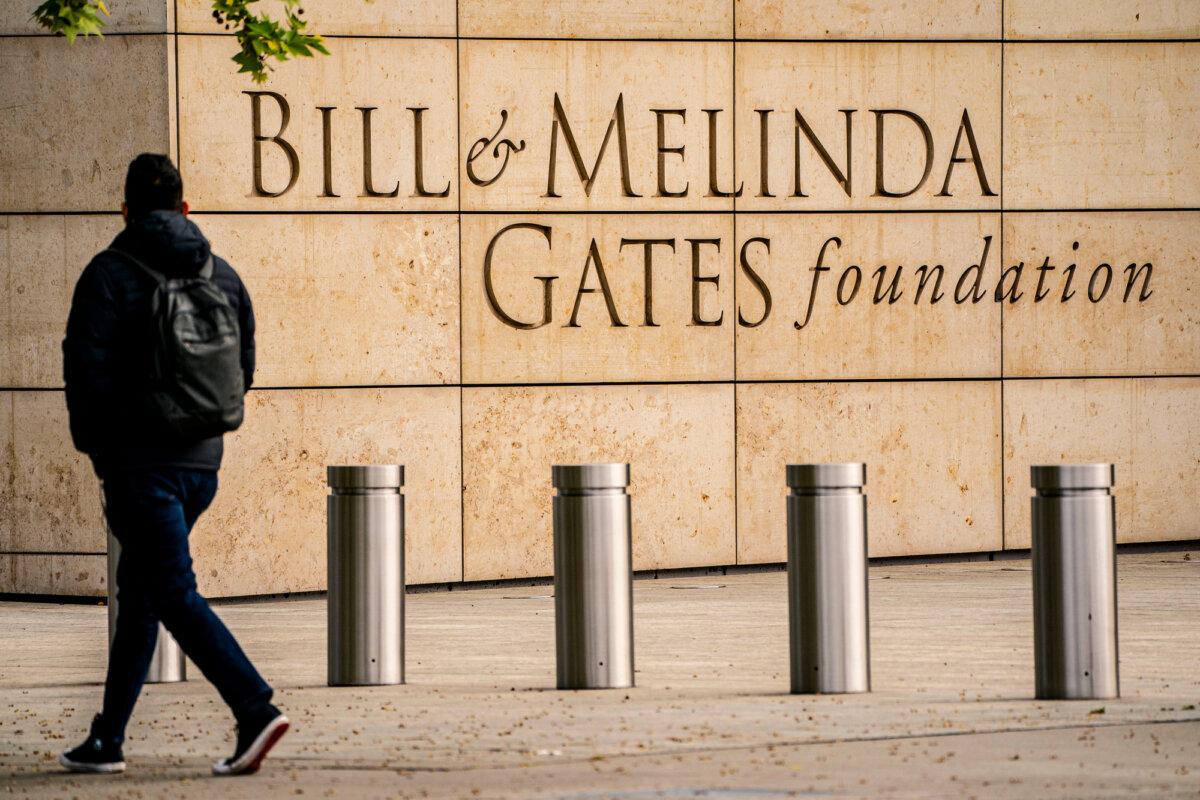
A pedestrian walks past the Bill and Melinda Gates Foundation in Seattle on May 4, 2021. David Ryder/Getty Images
‘Pragmatic View’
Gates said he believes that climate change would still have serious consequences, but it would not lead to humanity’s demise, and that he thought money could be better spent on crop resilience and health care.
“I know that some climate advocates will disagree with me, call me a hypocrite because of my own carbon footprint (which I fully offset with legitimate carbon credits) or see this as a sneaky way of arguing that we shouldn’t take climate change seriously,” he wrote.
Despite concluding there was “not any chance” that global warming would be kept to within 2 degrees Celsius since pre-industrial times—but would “probably be less than 3C”—Gates said that adaptation and innovation would ensure such an increase “will not be the end of civilization.”
“If you think climate is not important, you won’t agree with the memo. If you think climate is the only cause and apocalyptic, you won’t agree with the memo,” Gates told reporters. “It’s kind of this pragmatic view of somebody who’s, you know, trying to maximize the money and the innovation that goes to help in these poor countries.”
Change of Tune
Gates’s latest memo signals a personal change of tune since he wrote a 2021 book in which he laid out a plan for reducing emissions to avoid what he termed a “climate disaster.”
A decade ago, world leaders signed a pact known as the Paris agreement to try to limit global warming to 1.5 degrees Celsius (2.7 degrees Fahrenheit), but scientists say crossing that 1.5-degree threshold is now almost inevitable.
President Donald Trump withdrew the United States from the Paris agreement and has repeatedly referred to the concept of manmade global warming as a “hoax,” most recently during a speech to the U.N. General Assembly on Sept. 23, when he called climate change a “con job” and “the greatest con job ever perpetrated on the world.”
According to Forbes, as of May 2025, Gates’s net worth stood at $115.1 billion, making him the 13th-richest person in the world.
Rachel Roberts is a London-based journalist with a background in local then national news. She focuses on health and education stories and has a particular interest in vaccines and issues impacting children.