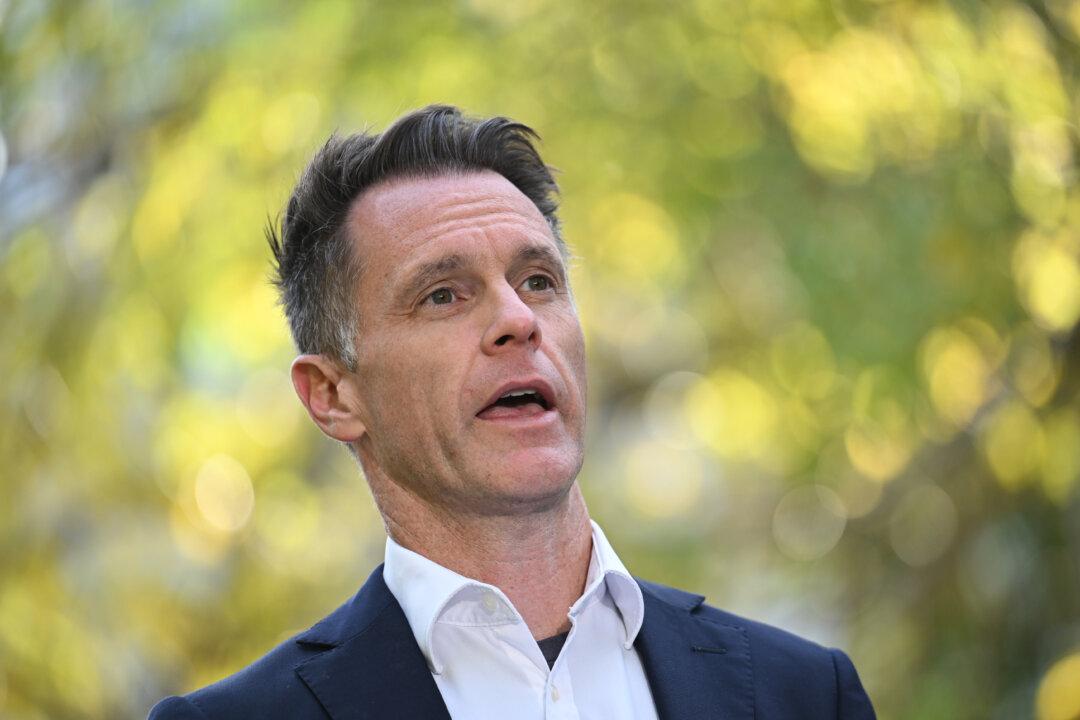
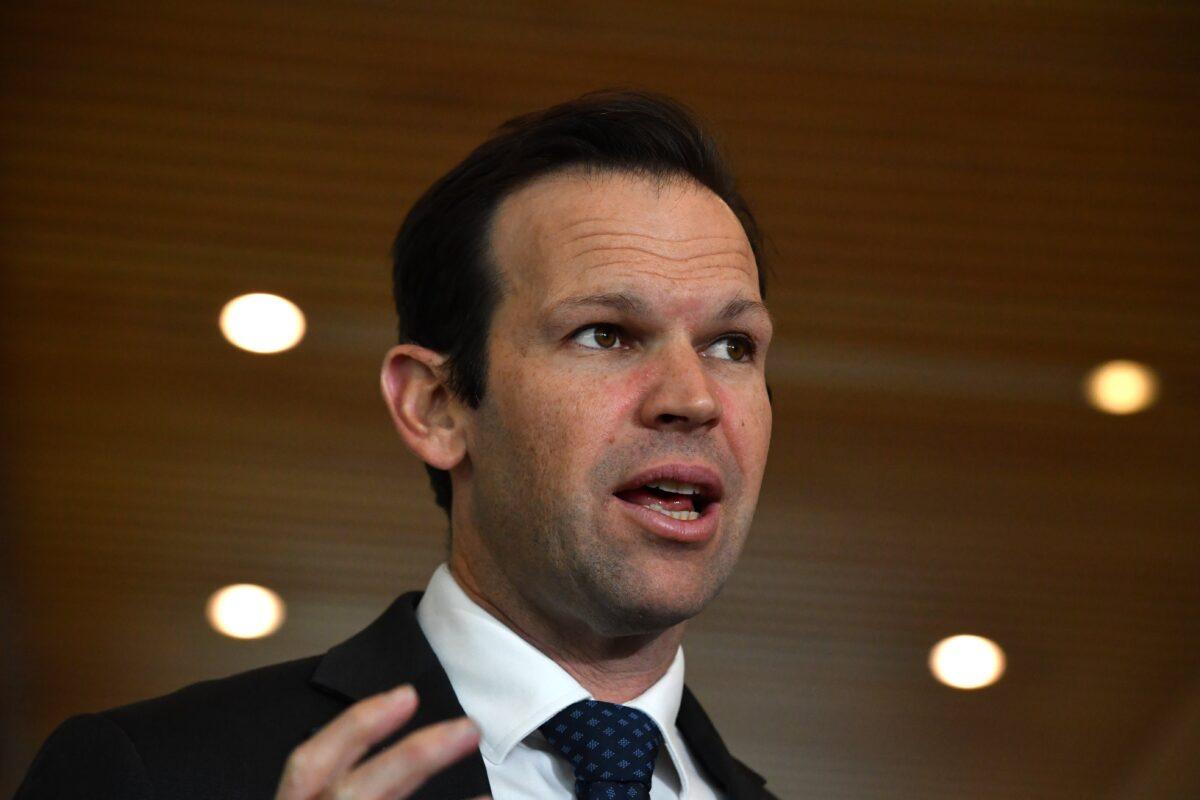
Nationals Senator Matt Canavan has called for a review into the former Queensland Labor government’s requirements for mining royalties after claims BHP would cut 750 jobs.
The BHP Mitsubishi Alliance (BMA) is one of the state’s largest coal-mining entities, but has claimed that high mining royalties are negatively impacting profits.
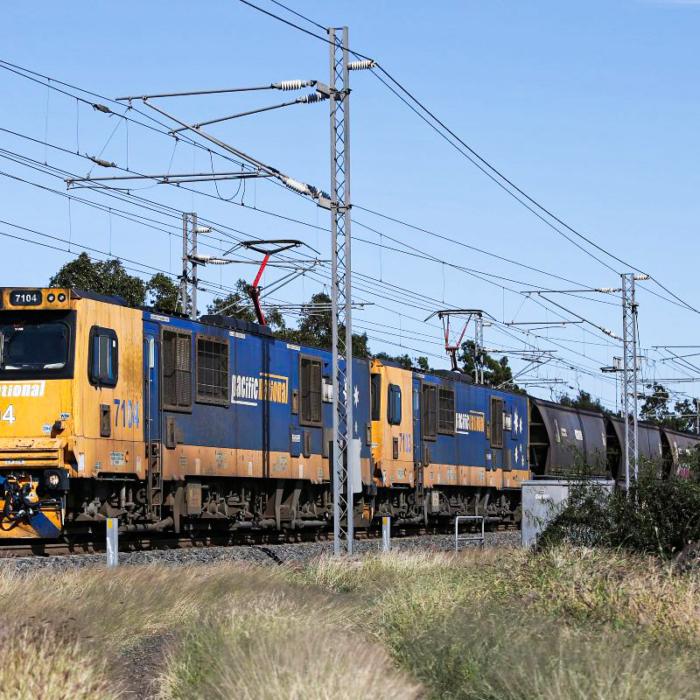
Workers at BHP’s Saraji South coal mine located in the Bowen Basin were reportedly told the facility would be put into care and maintenance mode in November, while broader job cuts are likely to be implemented across the company.
The majority of the cuts are expected to be across the company’s corporate realm and support roles.
“And it is an economic loss for all of us because coal mining helps pay the bills.
“The worry now is that more jobs could be lost the longer we keep the world’s highest taxes on coal.”
Canavan said the previous government’s decision to increase mining royalties had blindsided the industry.
“Governments have become addicted to the revenue, but if the mines shut, 40 percent of zero equals zero,” he said.
Challenges Facing Industry, Says Boss
BMA Asset President Adam Lancey issued a statement on Sept. 17, saying the industry’s current “settings and conditions are unsustainable.”“We’ve been very open about the challenges facing Queensland’s coal industry as a result of the Queensland government’s coal taxes and royalties,” he said.
Lancey said his company had faced an effective tax and royalty rate of 67 percent in the 2025 financial year, alongside a return of just one percent on capital employed.
BMA also paid around eight times in royalties what it made in profit.
“Numbers like these aren’t sustainable and, while medium-term demand for BMA’s premium hard coking coal is strong, options to pause lower margin areas of our operational footprint must now be considered,” Lancey said.
“The simple fact is the Queensland coal industry is approaching a crisis point.”
No Changes to Royalties Scheme, Says Treasurer
Treasurer and Energy Minister David Janetzki said the Crisafulli government would not seek to change Queensland’s mining royalties regime.“My heart goes out to those affected workers and their families together with the communities impacted by BHP’s decision,” he told The Epoch Times in a statement.
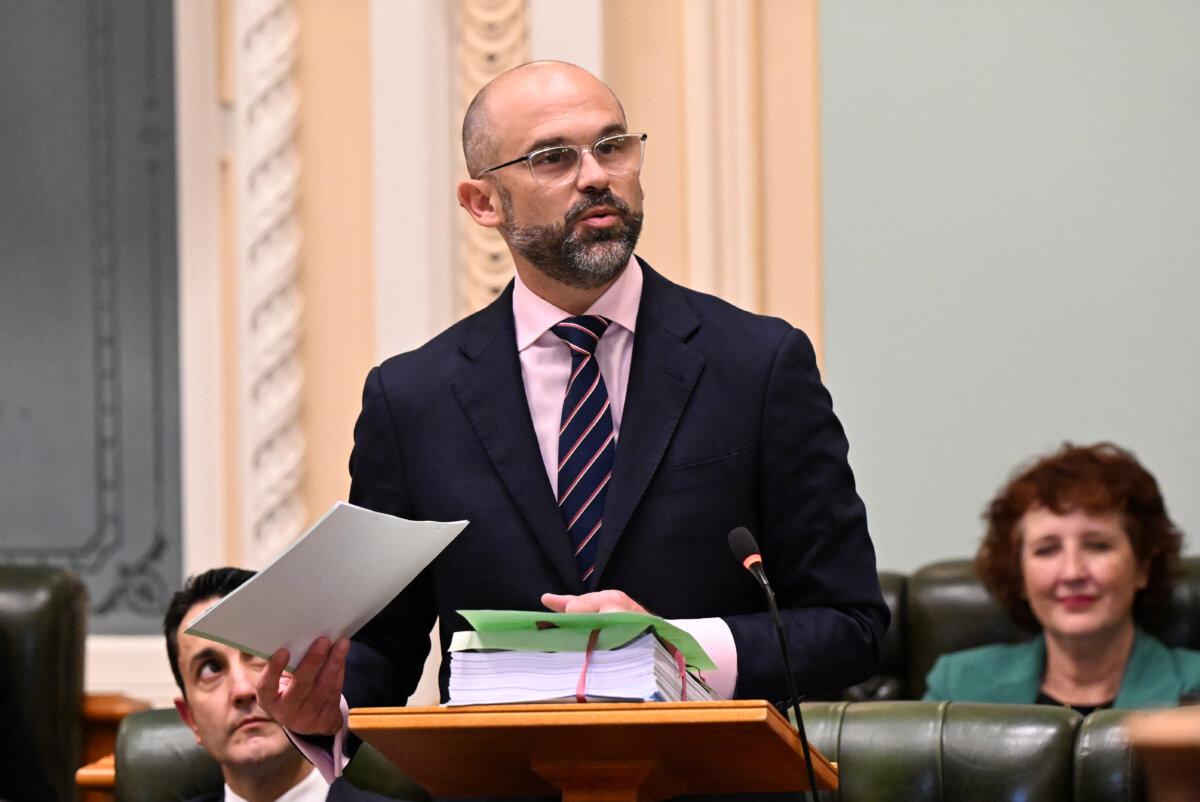
“While this is a disappointing commercial decision by a multi-national mining giant that just four weeks ago posted a $16 billion profit, today, the Crisafulli Government remains focused on the workers and Queensland communities affected by BHP’s decision.”
Janetzki said the current state government had provided certainty for the coal industry by enabling faster decisions, streamlined approvals, and a stable royalties regime.
“Exactly as we committed before the election—there will be no changes to Queensland’s royalty regime,” he said.
Labor’s Coal Play
In 2022 and 2023, the previous Labor government announced a number of progressive reforms on coal royalties.Rates of between 15 and 40 percent were introduced and legislation that would mean any future government seeking to lower royalties would be subject to parliamentary consideration was enacted.
Union Says Workers Used as Pawns
The Mining and Energy Union (MEU) has accused BHP of “using coal workers and communities as pawns in its fight with the Queensland government over royalties” because the higher royalties only kick in at times when prices are high.“BHP has been pursuing a divestment strategy in Queensland coal since before the new royalty rates were introduced in 2022.
“Coal prices have come back to more normal levels, but to fear-monger about a ‘crisis’ in coal is misleading and frankly shameful behaviour from BHP.”