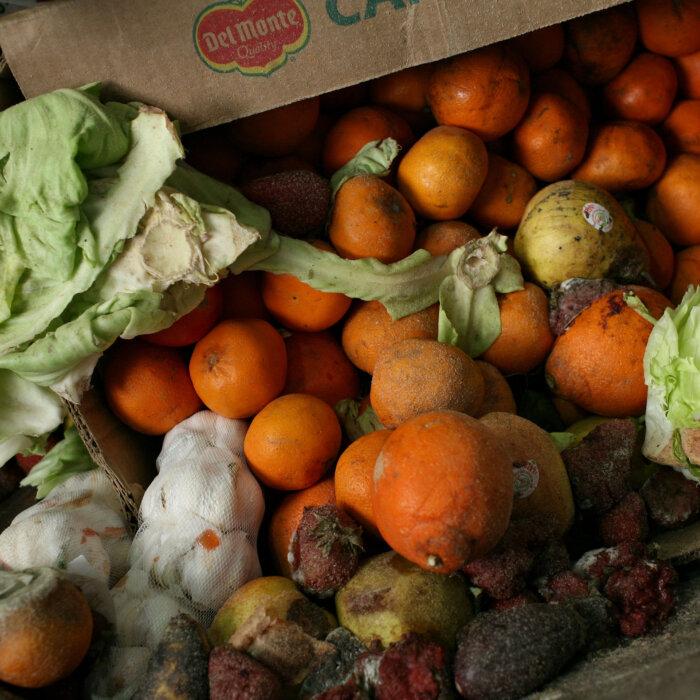
The average Canadian household discards $761 worth of food every year, with one third of that total—$246—stemming from confusion about how ‘best before’ dates work, a new study suggests.
A recent national report published by food marketplace app Too Good To Go in collaboration with Dalhousie University’s Agri-Food Analytics Lab highlights Canadians’ lack of understanding about best before dates and the resulting food waste.
The findings indicate that misreading or placing excessive importance on best before dates has emerged as a contributing factor in unnecessary waste at a time when food affordability is a major issue in the country, says Professor Sylvain Charlebois, director of the Agri-Food Analytics Lab at Dalhousie University.
“Despite improved understanding of date labels, the best before date remains the primary factor for consumers in deciding whether food is eaten or discarded — which shouldn’t be the case for products carrying this label,” Charlebois said in a statement.
The study found that 30 percent of the more than 1,000 Canadians surveyed don’t know the meaning of the best before date label, and four in 10 throw out food even when it’s still edible.
The study found that 73 percent of survey respondents smell and taste food to assess edibility when the best before date has passed, yet 63 percent still rely solely on that date to decide if it is safe to eat.
Food Habits
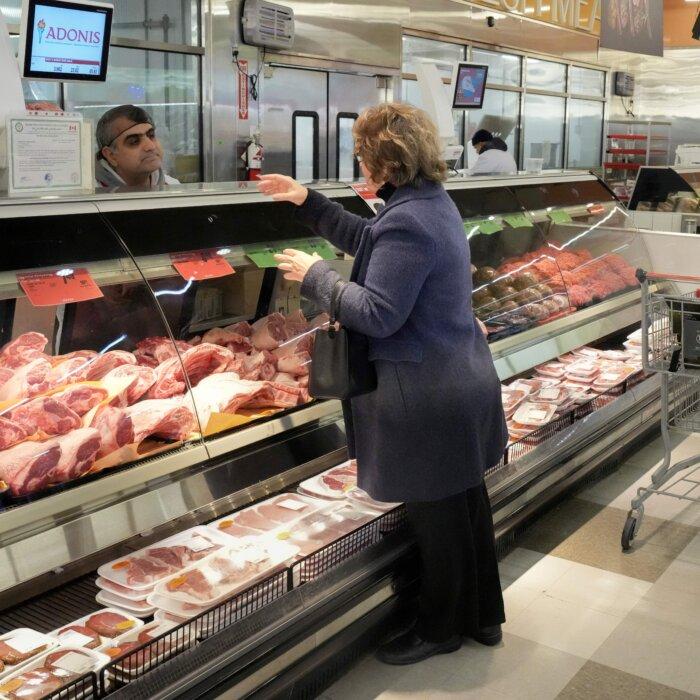
Seventy-eight percent of those surveyed indicated that they select products with the longest best before date when shopping for food, while 2 percent disregard the best before date entirely.Fifty-five percent of Canadians said they would not serve food past its best before date to children or seniors and 63 percent said they would throw away food past the date because they feared food poisoning.
The most discarded foods were items like mayo-based deli salads at 77 percent, fish at 75 percent, and chicken at 71 percent. Pork, beef and deli meats were also high on the list of foods to toss. Slightly more than half of respondents said they would throw out milk, yogurt and dairy desserts.
The least discarded foods were tea or coffee at 16 percent, spices at 17 percent, and dry pasta at 18 percent.
The research was initiated as part of Too Good To Go’s Look-Smell-Taste campaign, which kicked off in Canada last year to promote the idea that individuals should rely on their senses to determine if a product has surpassed its best before date.
Expiry dates apply to only five food types in Canada—meal replacements, nutritional supplements, infant formula, formulated liquid diets, foods for low-calorie diets—and must be strictly followed. The site said best before dates serve strictly as a general guideline for freshness, taste, and nutritional value —not safety.