A seven-year legal battle between publisher Nine, two of its journalists, and decorated war veteran Ben Roberts-Smith will continue after he said he would be taking the case to the High Court.
The Federal Court had earlier upheld a decision that found Roberts-Smith was responsible for the murder of four unarmed civilians in Afghanistan.
Roberts-Smith rose to prominence in 2011 after being awarded Australia’s highest military honour, the Victoria Cross, for single-handedly taking out machine-gun posts to protect pinned-down colleagues.
The Case Against Roberts-Smith
But two years later, a newspaper owned by media company Nine Entertainment reported that in 2006, he decided to hunt down and shoot “enemies” that he presumed had spotted his patrol.That led to two further investigations into his conduct by media outlets.
In June 2018, a joint ABC–Fairfax investigation reported an incident in Yemen during which a handcuffed man was kicked off a cliff, then dragged to a creek, and executed on Sept. 11, 2012.
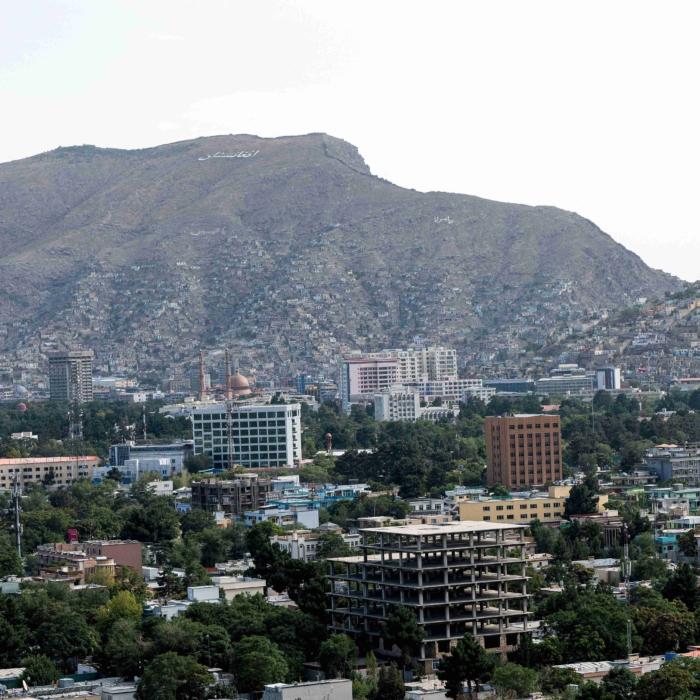
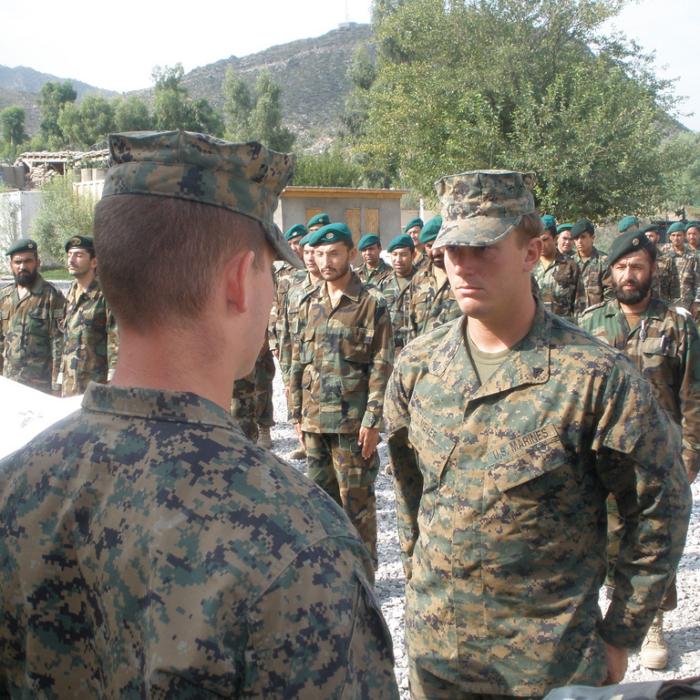
Then, in June 2023, the ABC reported allegations that Roberts-Smith directed another Special Air Service Regiment (SASR) soldier to kill an elderly imam during an August 2012 operation in Afghanistan.
In August 2018, Roberts-Smith commenced defamation proceedings against Nine Entertainment publications and journalists Nick McKenzie and Chris Masters over the initial reporting of his actions.
But in 2023, after a lengthy civil trial, Justice Anthony Besanko found the newspapers had successfully proved—to the civil standard of the balance of probabilities—that Roberts-Smith was complicit in the murder of four unarmed civilians while serving in the SAS in Afghanistan, as well as bullying and threatening colleagues and intimidating a woman with whom he was having an affair.
The judge also found that the former SASR corporal machine-gunned a man with a prosthetic leg, which he then encouraged soldiers to use as a drinking vessel, and that, on the same day in 2009, he also ordered the execution of an elderly prisoner to “blood the rookie” during a raid on a compound known as Whiskey 108.
Having already stepped down from his role at Seven West Media in 2021, Roberts-Smith then resigned.
However, the company’s chairman, Kerry Stokes, agreed to pay the costs of the failed action, estimated then at $35 million, in a move that meant the network avoided having to hand over thousands of internal documents about the case.
Besanko, describing the move as “unusual,” ordered that Stokes’ private company, Australian Capital Equity (ACE), pay the costs on an indemnity basis.
The Result
More than a year later, they have handed down their decision: the original decision stands.That means Roberts-Smith, who was not present in court to hear the decision, remains liable for costs, which now include those of his failed appeal. He could, however, opt to ask for leave to take the matter to the High Court in a last-ditch attempt to clear his name.
Despite the finding of Justice Besanko in a civil court, Roberts-Smith has never been tried over the allegations in a criminal court.
In November 2018, the Australian Federal Police (AFP) announced that they “received a referral to investigate allegations of war crimes committed by Australian soldiers during the Afghanistan conflict,” and in April 2021, confirmed that they were also looking into reports that he had destroyed or hidden evidence relating to the investigation, which lasted five years.
However, the Commonwealth Director of Public Prosecutions (CDPP) later decided that the original AFP investigation could not support a prosecution because it would depend in part on information received from the Brereton inquiry.
That was an investigation by the Inspector General of the Defence Force into the conduct of Australian forces in Afghanistan between 2005 and 2016. But because the Inspector-General can use special coercive powers to question serving members of the ADF, the testimony obtained would be inadmissible in a civilian court.
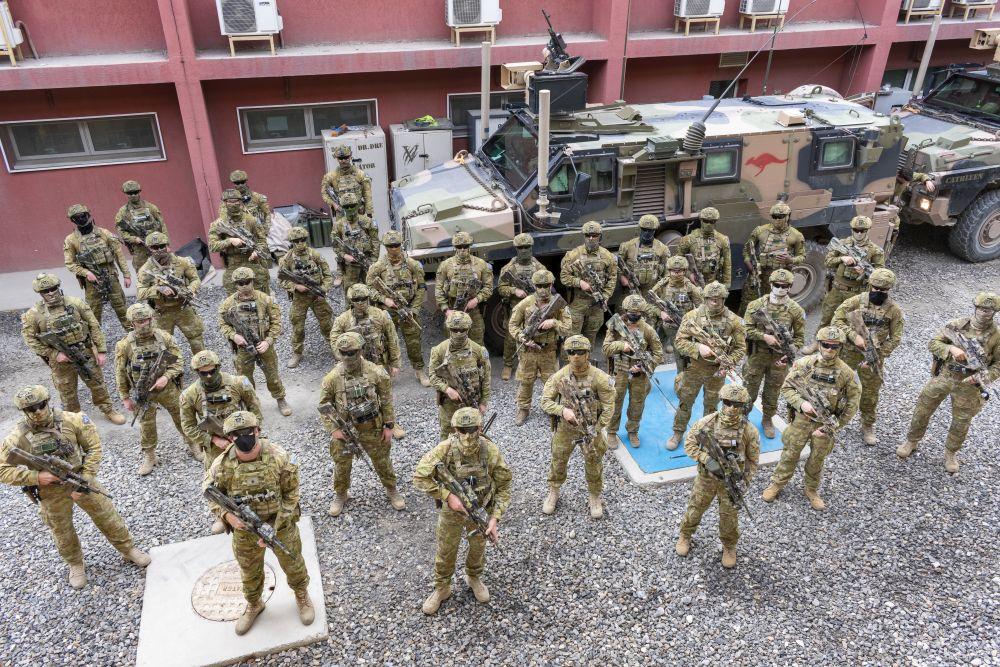
A total of 39 soldiers were implicated in the Brereton report, but Roberts-Smith is the only one to have been named, due to the Inspector General’s decision to take the unusual step of making him the subject of what was termed an “exceptional” referral to the AFP before having concluded the inquiry.
In June 2023, Roberts-Smith was asked by reporters at Perth airport whether he would be apologising to the families of the victims affected by his actions in Afghanistan.
He replied, “We haven’t done anything wrong, so we won’t be making any apologies,” and called Justice Besanko’s finding that he had probably committed war crimes “a terrible result and obviously the incorrect result.”