A B.C. television and radio host who fled into the province from a U.S. border crossing with 108 kilograms of methamphetamine in her car trunk has been sentenced to five-and-a-half years in prison.
Sukhvinder Kaur Sangha pleaded guilty to unlawful importation in 2024 after her October 2021 arrest by the Canada Border Services Agency for fleeing a border crossing in Surrey, B.C., at “high speed” in a rental vehicle.
B.C. Supreme Court Justice John Gibb-Carsley ruled in New Westminster on April 10 that the 47-year-old mother gave “untruthful testimony” by claiming she was threatened and coerced into smuggling drugs, but he bypassed the prosecutor’s suggested sentence of 10 to 12 years in favour of 5.5 years.
Gibb-Carsley said the sentence strikes a balance between deterrence and consideration of the personal circumstances of Sangha, who has three adult sons.
“If individuals such as Ms. Sangha escape consequences, it sends a message to organized crime and drug traffickers to recruit these individuals to participate with the promise of money and without the fear of lengthy incarceration,“ the judge said. ”That could set a dangerous precedent.”
Circumstances of Crime
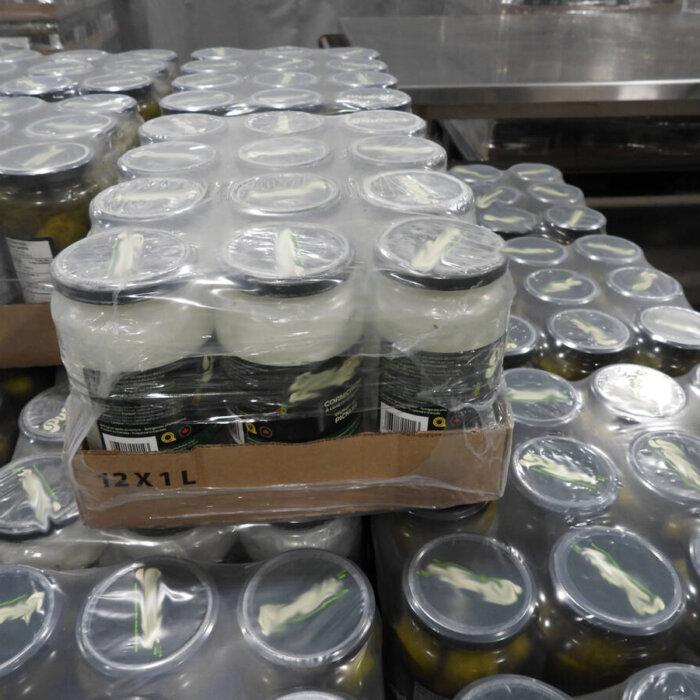
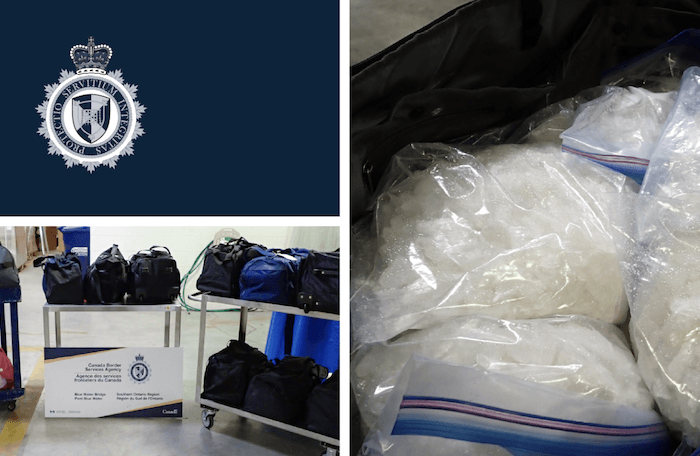
Sangha arrived at the Pacific Border crossing on Oct. 21, 2021, in a rental car with Florida plates, and told the guards she had been attending her aunt’s funeral in Washington State, according to the court documents.Sangha fled the border crossing after being singled out for a secondary search of her vehicle. After a high-speed chase, she was caught on 16th Avenue in Surrey. Four duffel bags containing 108 kilograms of methamphetamine were seized from the vehicle, the judgement said.
Sangha, who worked for a decade as a Punjabi language radio and television host specializing in crime stories, told the court she was forced to smuggle the drugs because an organized crime network threatened to harm her then-teenage son if she did not comply.
Gibb-Carsley said he believed Sangha’s testimony was untruthful, noting that text message evidence implied that Sangha was likely a “trusted and willing participant” in the drug smuggling operation, rather than a coerced victim.
The texts also showed she had imported drugs on trips before her arrest, and the language and tone she used while organizing those cross-border excursions did “not accord with her narrative that she was fearful,” he said.
“If Ms. Sangha’s son was threatened by organized crime and she feared for his safety, one may question why she now feels safe to reveal the scheme on the public record in court but did not feel safe to do so when she was initially approached and threatened,” Gibb-Carsley said. “One reasonable inference is that now, because Ms. Sangha faces significant time in jail, it is in her self-interest to attempt to reduce her sentence by concocting this narrative.”
Lying about her motivation for the smuggling undermined any regret that her guilty plea could demonstrate, the judge added.
“I expect that Ms. Sangha is remorseful because she was caught and now must face the consequences of her actions, but that is different than being remorseful for her offending behaviour,” he said.
The judge did, however, list mitigating circumstances. He said her guilty plea saved the court the time and expense of a trial. He also noted that she is a caregiver for her 78-year-old mother as well as a provider for her two youngest sons who still “require Ms. Sangha’s support and care” despite being adults.
Sangha’s celebrity status in her community means that her sentence will likely have a “disproportionate impact” on her reputation in the community and her ability to work in her field in the future, he said. The judge also noted that Sangha had a “less significant role” in the drug trafficking organization she was working for.
These factors weighed heavily in determining the right prison term and were the reason why he doled out a sentence “that falls slightly below the low end of the range” for such crimes, Gibb-Carsley said.
“I derive no pleasure in sentencing you,” the judge told Sangha. “What I hope you heard and understand is that there are significant risks, dangers and consequences associated with the illegal drug trade. My hope is that you can use your time of incarceration productively and positively such that this is your last interaction with the criminal justice system.”