British Columbia continues to be under a state of emergency as teams fight against more than 100 wildfires, 49 percent of which are considered out of control.
A combination of “extreme regional heat, low fuel moisture, and wind activity continue to drive high-intensity fire lines,” the wildfire service warned in an early morning update on Aug. 10.
That increased fire risk was exacerbated by dry lightning in the area on Aug. 9, and the service noted that small fires in steep areas are especially worrisome due to the potential for wind and slope to accelerate their spread.
Bald Range Wildfire
The Bald Range wildfire, which had increased to more than 13,000 hectares late on Aug. 9, resulted in the evacuation of more than 12,000 residents in Summerland and 8,000 in Peachland over the weekend.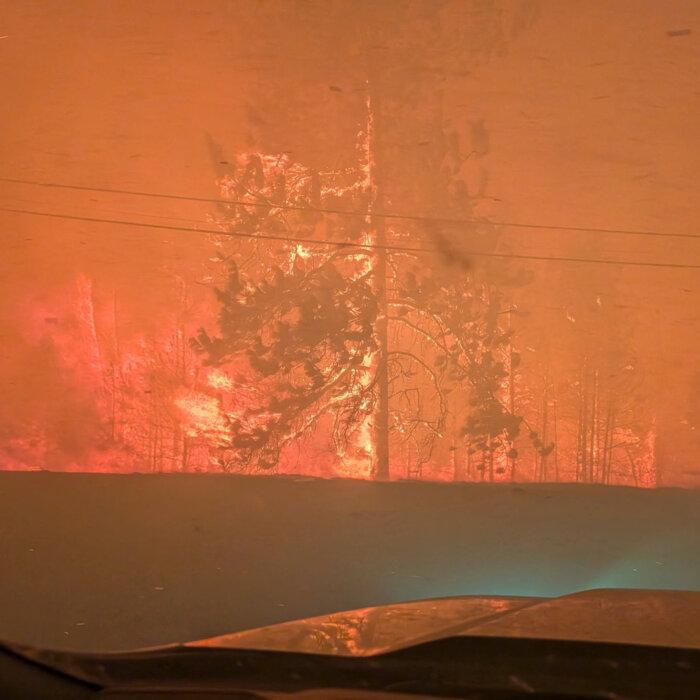
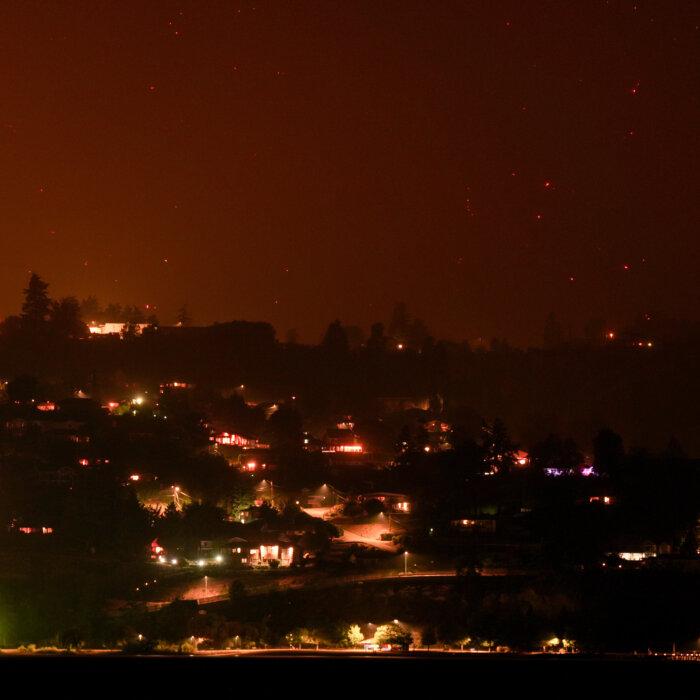
West Kelowna-Peachland MLA Macklin McCall said the fire was so close at the time of evacuation in the area that families had “embers landing in their cars as they fled.”
Central Okanagan Emergency Management said the blaze was burning west of Summerland and continued to impact areas within the Regional District of Central Okanagan and the District of Peachland.
Other Wildfires of Note
Three other wildfires of note also continue to challenge fire crews in the southern part of the province.“This footprint reflects the official merger with the former Anderson Creek fire zone east of the Fraser River,” the wildfire service said. “Crews are prioritizing structural protection and monitoring nearby transit infrastructure.”
The Brunswick Creek fire, being managed alongside the neighbouring Ainslie Creek wildfire, has burned upwards of 8,700 hectares and is also classified as out of control. It was first detected on July 2 burning near the community of Boston Bar.
The blaze is currently producing “significant smoke volumes” and has triggered active local evacuation alerts, officials said. Residents are expected to be prepared to leave on short notice.
The Pear Lake fire is part of the Big Bar Complex north of Kamloops. The blaze had grown to 142,900 hectares as of early on Aug. 10 and remains classified as out of control, the wildfire service said.
“An evacuation order remains active for the Village of Clinton while heavy equipment operators fortify perimeter guards along the Highway 97 corridor,” it said.
Bradley Creek Wildfire
Meanwhile, a wildfire that destroyed more than 200 homes in B.C.’s Okanagan is being held and is no longer classified as out of control.“Ground crews have completed a full perimeter guard containment line,” the B.C. Wildfire Service said on Aug. 10. “The incident has officially been downgraded from a Wildfire of Note and is now classified as ‘Being Held’.”
The Bradley Creek wildfire’s effects are still being felt, however, and will be for some time to come, according to Okanagan Indian Band Chief Dan Wilson.
The Okanagan Indian Band was devastated by the rapid Bradley Creek wildfire, which broke out on July 31 and swept through reserve lands with very little warning a day later. Fuelled by extreme winds, the blaze forced mass evacuations just outside the city of Vernon.
The more than 2,600-hectare fire destroyed an estimated 230 properties—including 30 band-member homes and 200 non-member structures—before firefighting crews and improved conditions shifted the fire status to being held.
“This emergency has touched our families, our neighbours and the places we all know. There is a long road ahead, but it is our road,” the statement said. “We will work through it together, as neighbours, families and community. We will keep our people at the centre of every decision we make.”