
A B.C. regional district board has voted to refuse ostrich carcasses from an Edgewood, B.C., farm to be disposed of at local landfills unless the Canadian Food Inspection Agency (CFIA) does further testing on the birds before it culls them.
The court said CFIA’s decision was “reasonable” and made in a “procedurally fair manner.”
CFIA said that it would be moving forward with the cull but would not be publicly releasing the dates when it would take place.
The Regional District of Central Kootenay board passed a motion on May 15 saying it will not accept the birds’ carcasses at local landfills until the CFIA conducted more testing on the birds.
Premier ‘Frustrated’
The decision comes a day after B.C. Premier David Eby said he was “frustrated” over a lack of flexibility by the CFIA regarding the decision to cull the birds.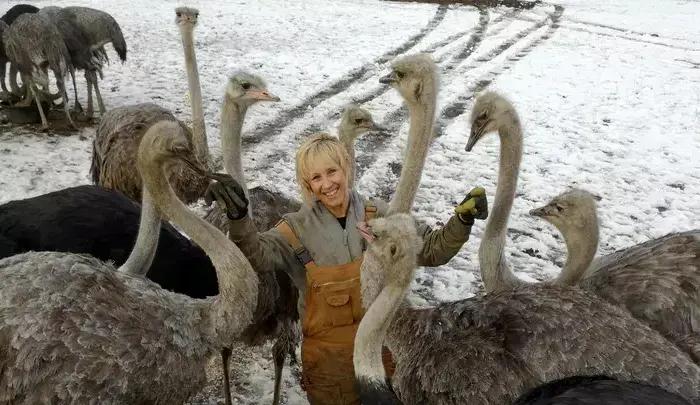
“We understand the importance of containing the bird flu and the important role that agency plays,” he said on May 14 at an unrelated news conference in Victoria. “What’s hard to watch is a lack of discretion and ability to evaluate case-by-case scenarios.”
He added this dynamic was a “consistent experience the province has had with federal agencies” and that the decision was “devastating” for the family.
“I hope the federal government looks very carefully at appropriate compensation,” he said.
Conservative MP Scott Anderson, who visited the farm this week, said he’s working on a plan to save the birds.
According to court documents, 69 ostriches from the farm have died from avian flu.
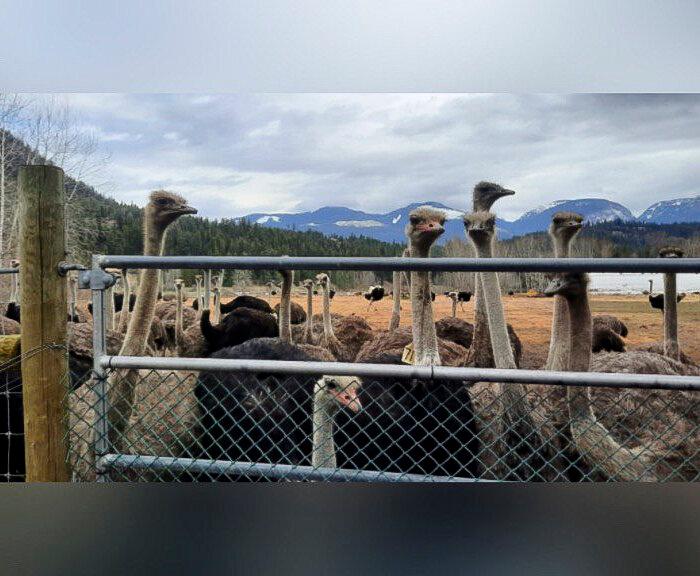
Owner Karen Espersen has said the last ostrich death from avian flu was in January, and that none of the remaining birds have been exhibiting symptoms of disease since.
Espersen said on social media that since the court decision was handed down, a growing number of supporters have offered to help protect the birds in anticipation of a standoff with the CFIA, while the family gets an appeal together.
She said they have gone into “operation security” mode on the farm and that the gates have been blocked. She also said people are securing the perimeter of the farm.
“Our birds are happy and healthy. They look beautiful,” she said in a video. “We really want the world to see that this is wrong, what’s going on. And we’re not going to let it happen.”
CFIA has said that it’s important to cull the birds to prevent spreading the disease. The agency acknowledged the risk to humans was low, but said there have been serious cases and even death from avian flu in North America.
It said that managing outbreaks requites “enforcing strict biosecurity measures” that includes “depopulation” of infected birds, and proper disposal of the carcasses that may carry the disease.