OTTAWA—The Bank of Canada has once again kept its key interest rate steady at 2.25 percent, but warned that economic weakness combined with higher inflation poses a “dilemma” for monetary policy.
“Raising rates to dampen inflation could further slow the economy. Easing rates to support growth increases the risk that higher inflation becomes persistent. For now, holding the policy rate unchanged balances those risks,” Bank of Canada Governor Tiff Macklem told reporters on June 10.
Macklem said that new U.S. tariffs on Canada may require the Bank to further cut the interest rate policy to support economic growth. Alternatively, if the U.S.-Iran War continues and higher energy prices begin bleeding into inflation, Macklem said there might need to be “consecutive increases in the policy rate.”
Macklem declined to say whether U.S. trade tensions or elevated energy prices posed the greater risk to Canada’s economy.
Macklem told reporters that based on the economic data, he did not believe Canada was in a recession. He said the economy is “weak,” but industries have not seen broad-based declines, and the unemployment rate has remained stable.

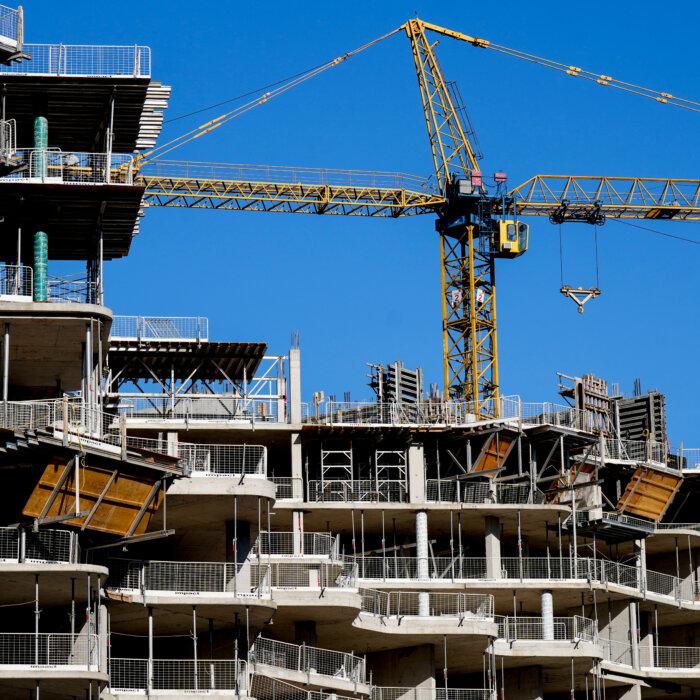
The Bank said GDP growth in the first quarter of 2026 was “weaker than expected” at the time of its April Monetary Policy Report, which had forecasted growth of 1.5 percent. The Bank said government spending and housing activity fell relative to rising consumer spending, but unemployment has continued to fluctuate in the range of 6.5 percent to 7 percent over the past year.
The Bank said that while recent data suggested growth will “resume in the second quarter,” Canada’s economy is expected to “remain in excess supply.” But it also warned that the United States is continuing to propose new tariffs and trade policy remains uncertain.
At the same time, the Bank said the ongoing conflict in the Middle East has raised global oil prices to around US$90 a barrel and contributed to Canada’s Consumer Price Index (CPI) rising to 2.8 percent in April. Macklem said there has been “limited evidence of broad-based pass-through of higher energy prices to other consumer prices.”
The Bank’s base case for energy outlined in its April Monetary Policy Report was that oil prices would fall to an average of US$90 by mid-2026 and US$75 by mid-2027 as the Strait of Hormuz gradually reopened.
Macklem said higher oil prices will likely lead the CPI to “hover close to 3 percent” in the coming months, but the Bank maintains that inflation will gradually fall toward 2 percent. “We will be watching closely for evidence of a broadening in price pressures. The Bank of Canada is committed to keeping inflation close to the 2 percent target,” he said.
Macklem also told reporters that the longer the war dragged on, the higher energy prices would rise, and the “bigger the risk that that starts to pass through to other goods and services, and the more likely that becomes that we need to respond.”
In addition to these concerns, Macklem said Canada’s economy is “working through a period of structural change” when it comes to changing trade relationships, the adoption of AI, and changes to the demographic makeup of Canada. “We will be watching all these developments closely and assessing their implications for growth and inflation.”
The Bank of Canada will give its next interest rate decision and Monetary Policy Report on July 15, 2026.