Tech giant Snapchat has revealed how it plans to verify the age of young Australia users in the lead-up to the country’s under-16 social media ban on Dec. 10.
The social media platform will ask for details like bank account information, photo IDs, or facial age estimation.
When users open the app, they will see a option to verify their age.
“Photo ID: You can scan your government-issued identification card and our third-party service provider, k-ID, will scan and validate your ID document and age. The documents you submit will only be used to verify your age. These documents include passport, drivers licence or any other state issued ID.
“Facial Age Estimation: You can take a selfie and k-ID will estimate an age range.”
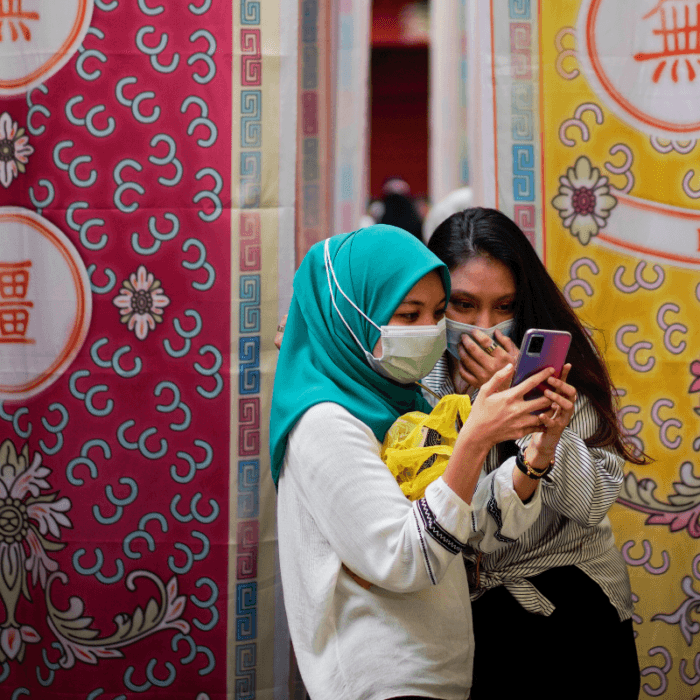

For users leaving the platform they will have three years to download their data.
Snapchat also said it would not receive information like facial scans, bank account details or any other personal details during the process.
The company stood by its position that it did not qualify for the ban, but decided to comply anyway.
“Since the very beginning, Snapchat is and has always been, a visual messaging app. The primary purpose of Snapchat is to connect our community with their closest friends and family. We know that Snapping is the most personal way of communicating,” Snapchat said.
“However, the Australian government disagrees and has classified Snapchat as an Age-Restricted Social Media Platform. And while we strongly disagree with this assessment, we will comply, as we do with all local laws in countries in which we operate.”
The company also claimed disconnecting teens from the app would not make them safer.
“It may push them to less safe, less private messaging apps. We continue to advocate for more privacy-conscious solutions, such as mandating age verification at the device, operating system, or app store level.”
It’s a view shared by Digital Rights Watch.
“Young people, especially those in a minority group or remote areas of Australia, depend on the internet and social media to reach their people,” the advocacy group said in September.
How Will the Social Media Ban Work?
The Australian government amended the Online Safety Act 2021 to include the Social Media Minimum Age Bill in late 2024, which will apply to Facebook, Instagram, Threads, TikTok, X, YouTube, Reddit, Kick and Twitch.Australia’s eSafety Commissioner Julie Inman-Grant is responsible for overseeing the Online Safety Act.
“Providers are also prohibited from using an accredited service within the meaning of the Digital ID Act 2024 unless a reasonable alternative is provided,” the guideline states.
Meanwhile, Communications Minister Anika Wells recently said the government was heartened to see, “hundreds of thousands of Australians engaging in our education resources so they can have meaningful conversations about this significant change.”