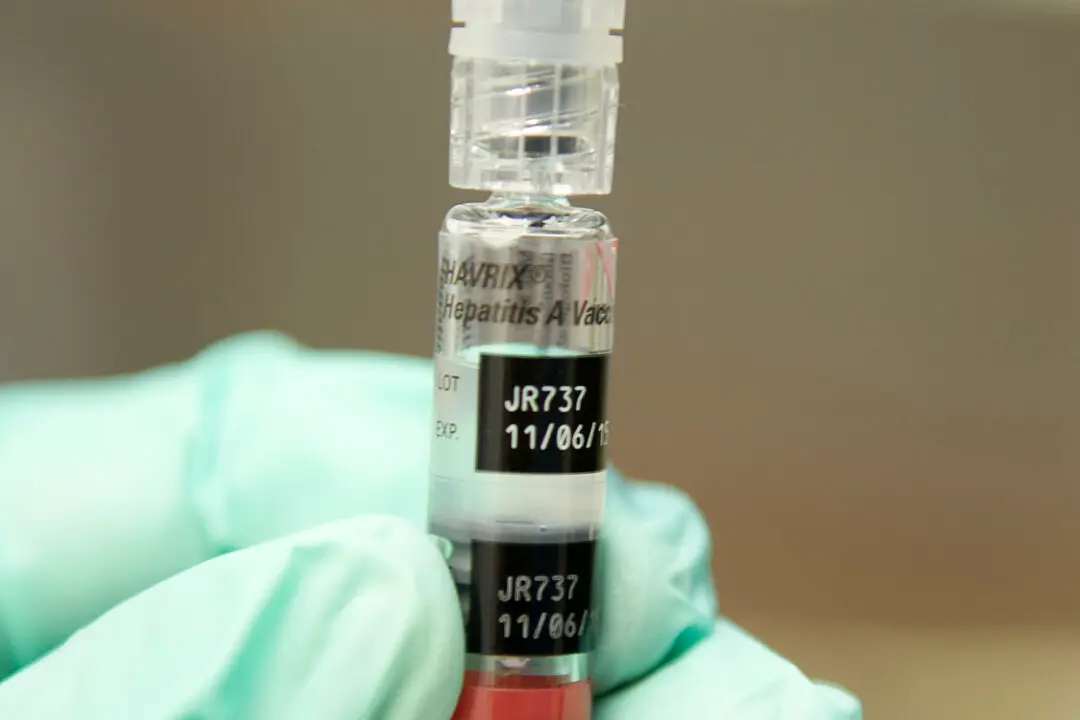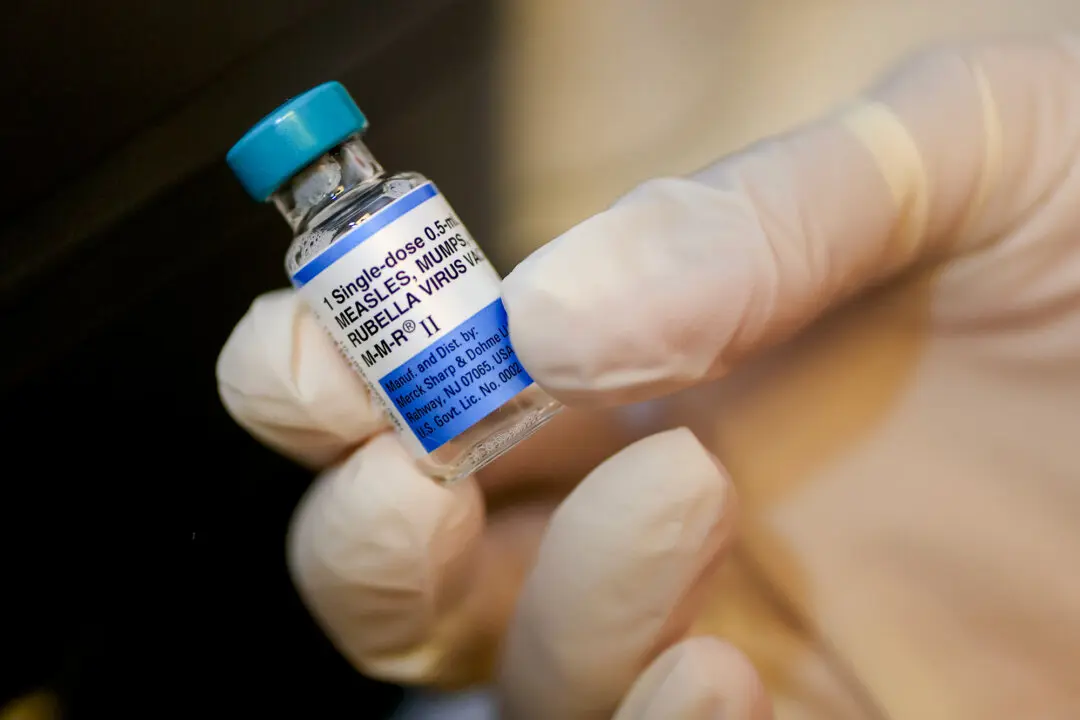
A measles outbreak in Bangladesh has prompted officials there, with assistance from international groups, to launch an emergency campaign to vaccinate people against the infectious disease.
Bangladesh on April 5 began the campaign in 18 districts designated as high-risk, after 17 confirmed deaths, 113 suspected deaths, and more than 7,500 suspected infections across the country of about 175 million people.
Officials also said that hospitals in several regions are overcrowded and operating at limited capacity, which could contribute to accelerating the outbreak.
The campaign is targeting children aged 6 months to 5 years with a combination measles-rubella vaccine, the World Health Organization (WHO) said in an April 5 post on Facebook.
Further expansion of the campaign is planned in the coming days.
Health and Family Welfare Minister Sardar Sakhawat Husain and other authorities are coordinating with the WHO, U.N. emergency children’s group UNICEF, and an organization that promotes vaccines called Gavi.

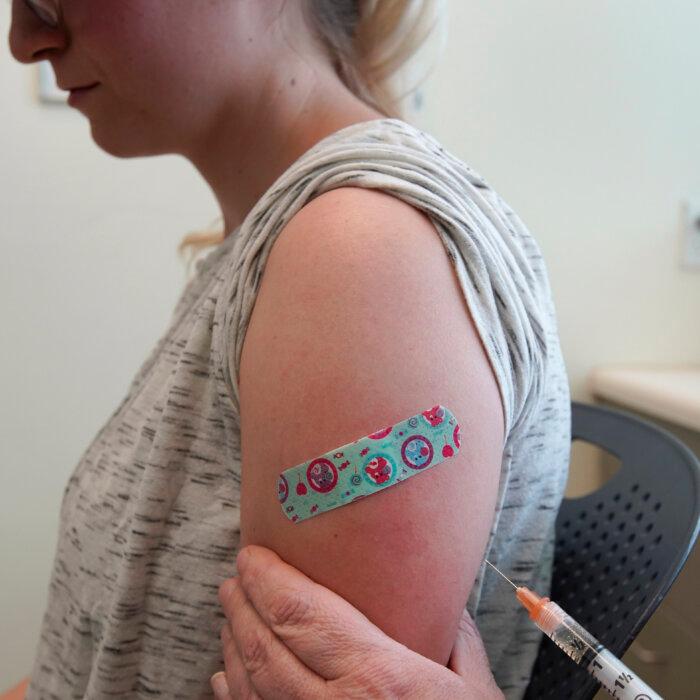
“UNICEF is deeply concerned about the sharp rise in measles cases across Bangladesh, putting thousands of children, especially the youngest and most vulnerable, at serious risk,” UNICEF’s representative to Bangladesh, Rana Flowers, said. ”This resurgence highlights critical immunity gaps.”
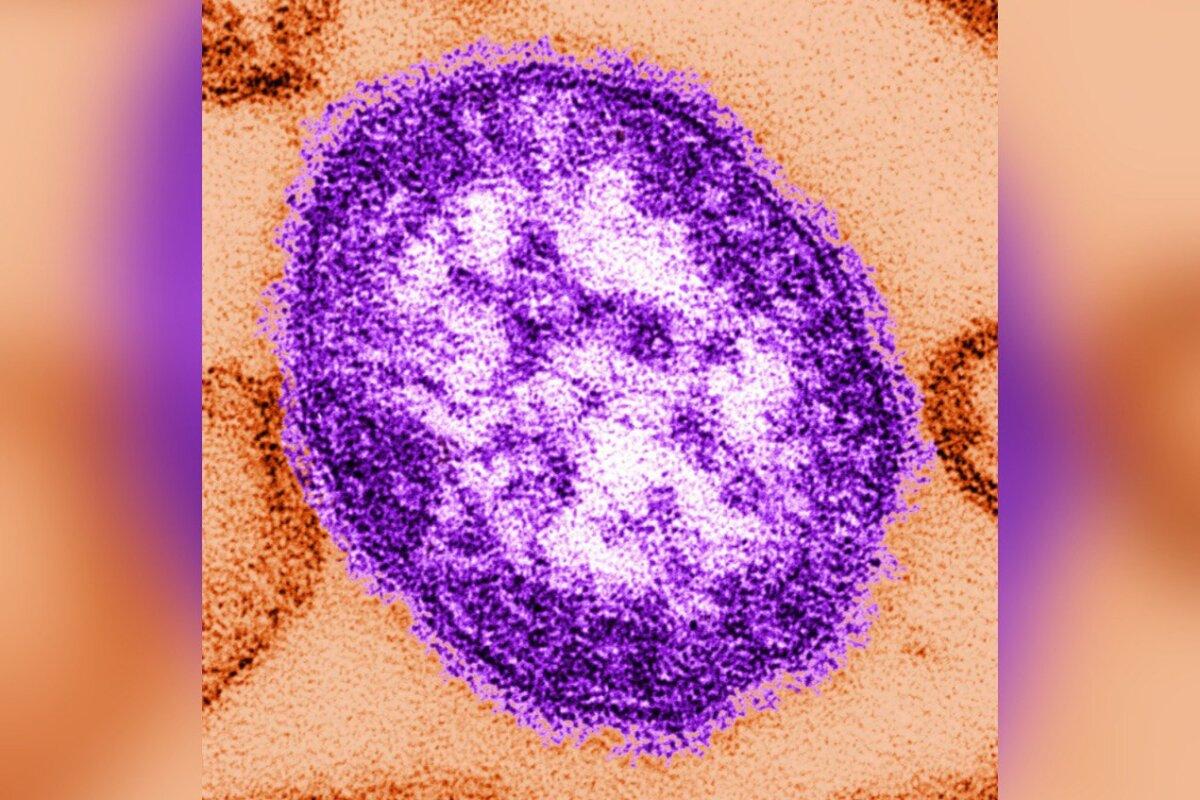
Measles is a contagious viral disease that spreads through contact with droplets discharged when infected people breathe, cough, or sneeze. Measles can cause serious symptoms, including severe diarrhea and brain swelling.
Bangladesh has reported just a few hundred cases in recent years, including 247 in 2024, according to the WHO.
The measles vaccine prevents measles transmission, but health authorities such as the WHO maintain that 95 percent coverage is required to achieve herd immunity, or prevent outbreaks.
About 86 percent of the Bangladesh population had received one dose of a measles vaccine as of 2024, according to data reported to the WHO and UNICEF. That percentage was 80.7 for second-dose coverage, up from 2 percent in 1979.
Side effects of measles vaccines include rash and fever.
Husain, responding to questions in Parliament, said April 6 that the new outbreak was caused by the mismanagement and failures of past governments.
He said the previous government failed to make proper decisions regarding vaccine stockpiles, leading to shortages of vaccines for measles and six other diseases.
The WHO said that the measles outbreak, which now spans 56 of Bangladesh’s 64 districts, would continue to spread in the coming days, but would likely be curtailed soon after the vaccination campaign is rolled out.
“This campaign will help prevent further tragic loss of young lives,” said Dr. Ahmed Jamsheed Mohamed, the group’s representative to Bangladesh.