Access to the U.S. automotive market is essential to Canada’s auto industry, while Ottawa’s agreement with Beijing on Chinese electric vehicles puts the North American auto supply chain at risk, a Canadian auto industry representative told MPs.
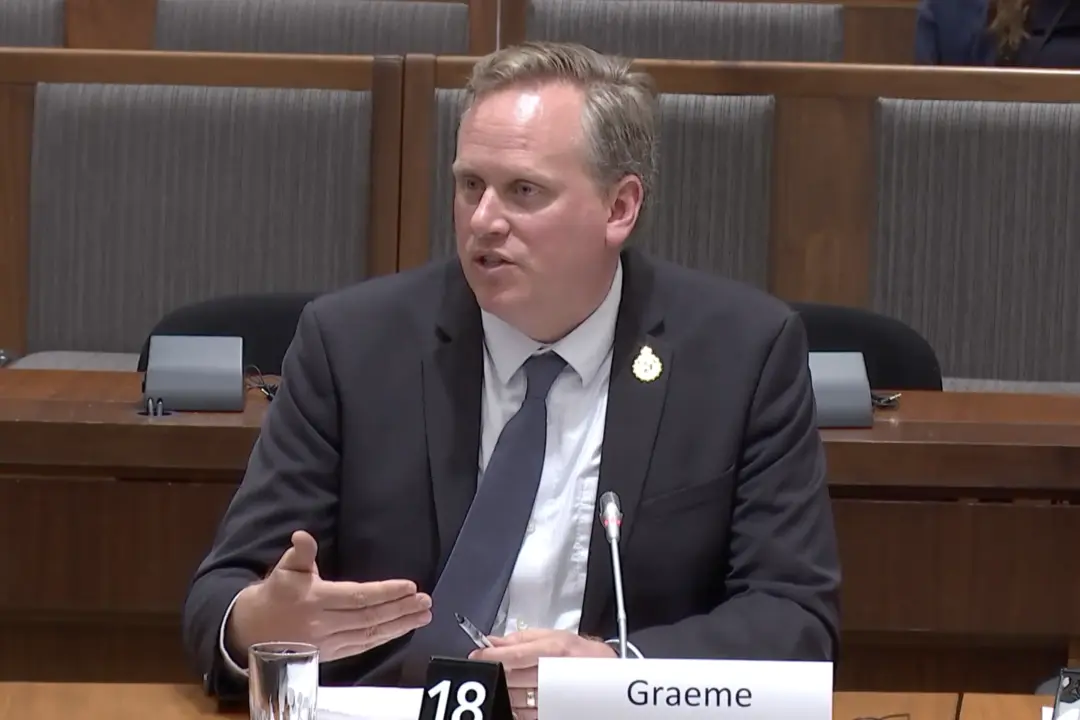
Kingston told MPs that more than 90 percent of Canadian auto production is destined for the United States, making U.S. market access and North American integration “the foundation of the auto industry.”
“Diversification is not an option for automotive, as markets in Europe and Asia are better served by assembly plants in those regions,” Kingston said. “Canada’s market alone is too small to justify large-scale manufacturing.”
“Simply put, there is no Canadian auto industry without the U.S.”
The future of Canada’s auto industry and the hundreds of thousands of jobs that it supports require securing the Canada-United States trade relationship, he added, noting that U.S. tariffs on the auto industry and Canada’s retaliatory measures are doing “enormous damage to the integrated North American auto supply chain.”
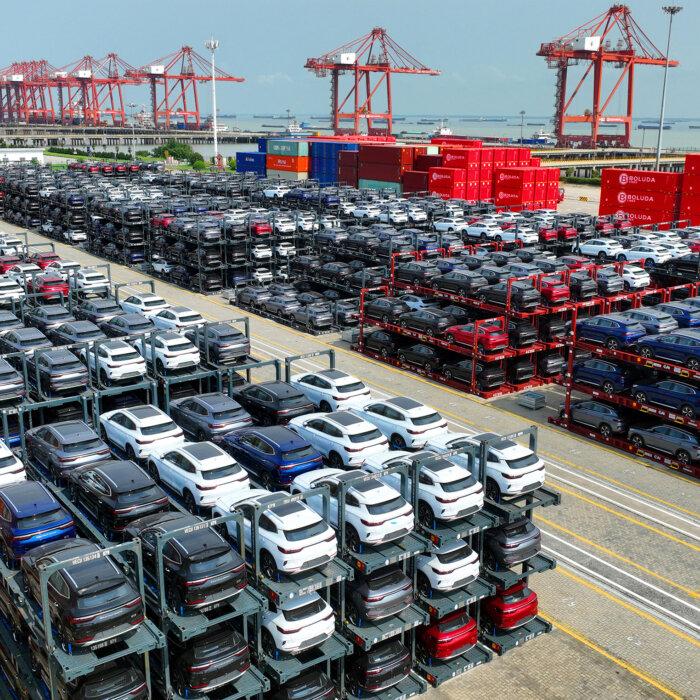
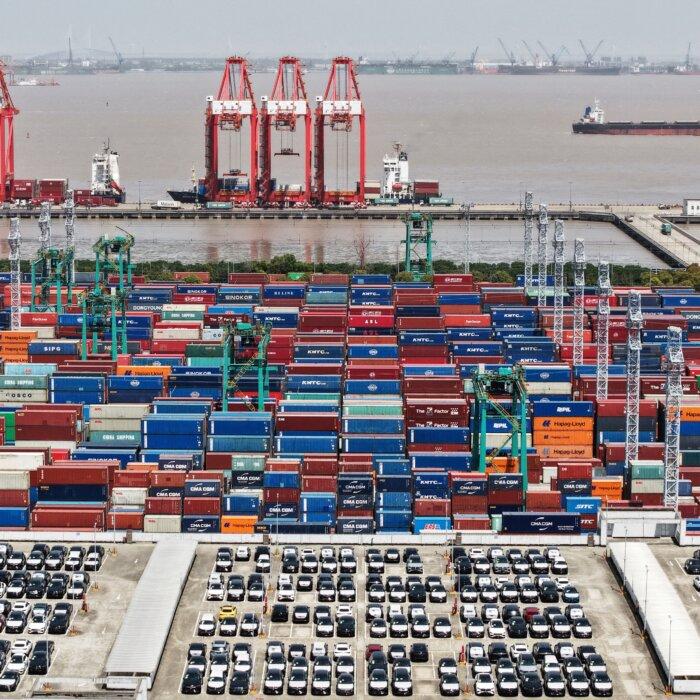
As Canada prepares for the July 1 CUSMA review, Kingston said his association is recommending Ottawa eliminate its “strategic partnership” with Beijing and scrap the deal it made on allowing 49,000 Chinese EVs into Canada at a reduced tariff rate of 6.1 percent tariff from the previous 100 percent rate.
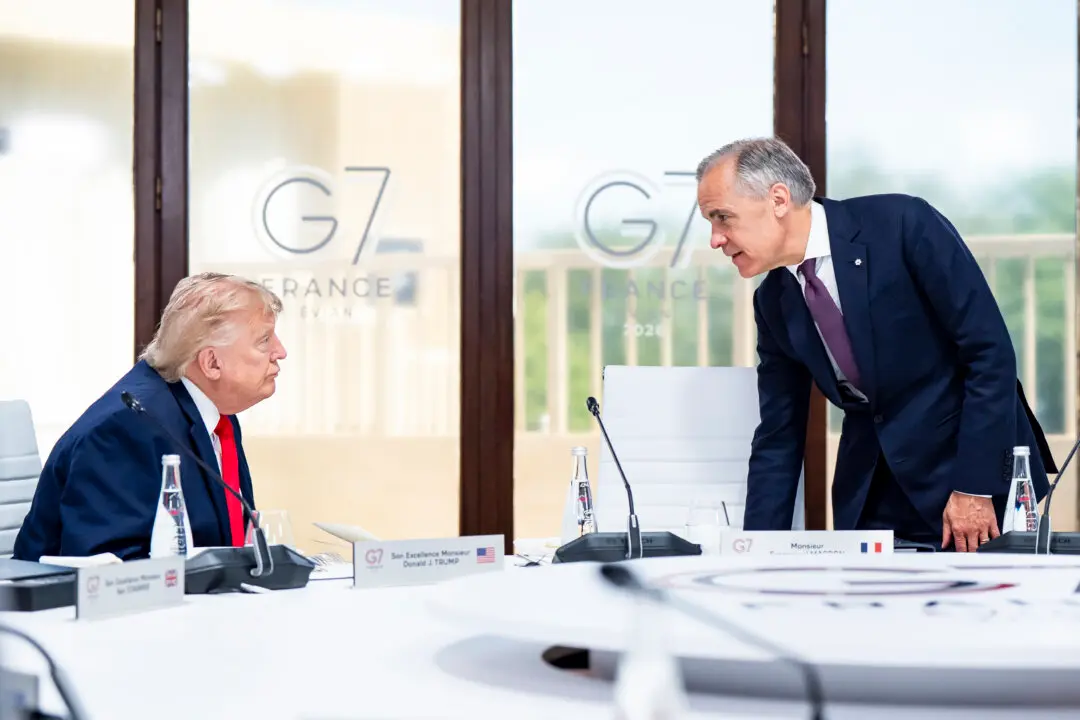
Prime Minister Mark Carney visited China in January, where he signed several agreements with Beijing, including the deal on EVs, and declared Canada and China were in a “strategic partnership.”
“That’s not an insignificant amount, and that undermines our sector right now, and it puts the North American auto supply chain at risk,” he added.
Ban Chinese Connected Vehicles
In addition to having a surtax on Chinese EVs, the CVMA is urging the federal government to ban certain Chinese connected vehicle software to align with the United States, Kingston said.“This will protect Canadian drivers from foreign actors manipulating these technologies to access sensitive or personal information,” he said. “It will also position us for success in our discussions with the Americans.”
Sidhu said the arrangement is expected to catalyze new Chinese investment in Canada and create new auto manufacturing jobs for Canadians.
Chinese state media Xinhua reported in March that several of Chinese automaker BYD’s EV models were undergoing Transport Canada’s preliminary review process. The company’s executive vice president also reportedly said the company was conducting a feasibility study for building an auto manufacturing plant in Canada.
Industry Minister Mélanie Joly told MPs at a parliamentary meeting in May that her government’s approach to Chinese EVs is “very holistic” in protecting auto workers and supply chains “while bringing in really good technologies.”