Australia’s large companies handed over $95.7 billion (US$63.11 billion) in income tax in 2023–24, according to the Australian Taxation Office’s (ATO) latest Corporate Tax Transparency report.
That figure, while down from last year’s peak, is the second-highest on record.
Together with compliance program results, it marks the second year in a row that corporate taxes topped $100 billion.
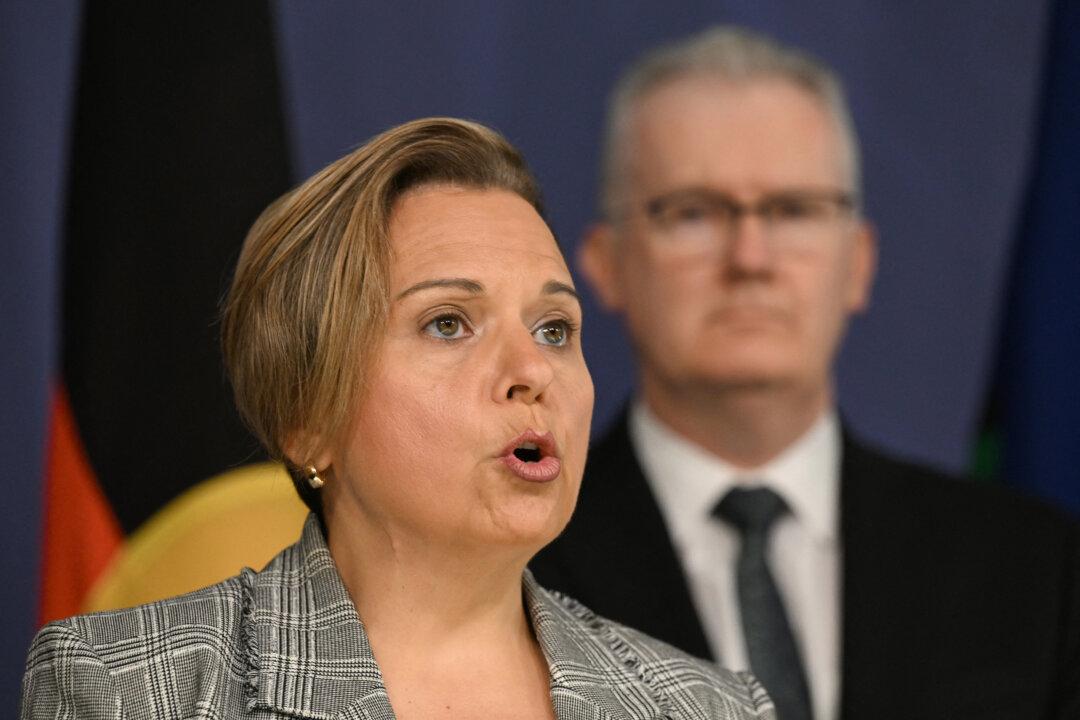
ATO Assistant Commissioner Michelle Sams said the figures underscored both the economic role of major firms and the ATO’s enforcement efforts.
Mining and Banks Lead the Way
The companies covered in the 2023–24 report recorded a combined $3.3 trillion in income and $365.5 billion in taxable income.More than half the corporate tax haul came from just 2.3 percent of entities.


Mining giants were again the biggest contributors. Rio Tinto paid $6.2 billion, BHP $6 billion plus another $2.1 million from its iron ore subsidiary, Fortescue $3.9 billion, and Chevron $3.5 billion.
Mitsubishi Development contributed a comparatively small $9 million and Tesla paid $27 million.
Banks were the next largest sector. Commonwealth Bank paid $3.4 billion, Westpac $2.6 billion, NAB $2.24 billion, and ANZ $1.6 billion—a combined total of nearly $10 billion.
Despite weaker commodity prices cutting into profits, mining companies have now paid more than all other industries combined for three consecutive years.
Fewer Zero-Tax Companies
One of the more notable findings in the report was the drop in the proportion of companies paying no tax, down from 31 percent in 2022–23 to 28 percent in 2023–24.This is the lowest level since tax transparency reporting began more than a decade ago.
Among the companies that paid no tax were Brazilian meat processor JBS, AGL Energy, and the Australian Postal Corporation.
“For the first time since Corporate Tax Transparency reporting began, the amount of entities paying no tax has dropped below 30 percent,” Sams said.
While she stressed that some firms had legitimate reasons for paying nothing—including losses or offsets—she also emphasised the need for vigilance.
Oil, Gas, and Private Firms
The oil and gas industry returned to a stronger tax-paying position after years of carrying forward large losses. In 2023–24, the sector paid $10.4 billion in corporate tax.Changes to the Petroleum Resource Rent Tax (PRRT) regime also shifted the landscape. A deductions cap introduced in July 2023 saw the number of companies paying PRRT rise from 11 to 16.
However, overall PRRT collections fell from $1.87 billion to $1.48 billion, reflecting lower global oil prices, declining production, and costly decommissioning activities.
The ATO estimated a PRRT gap of 2.7 percent, or $51 million, suggesting it expects to collect around 97 percent of the tax owed.
Private firms also played a bigger role.
“There was a small increase in private entities but more than a 20 percent increase in tax paid—or more than $2 billion—by these private entities compared to the previous year,” Sams said.
Taskforce Keeps Pressure On
The ATO attributed part of the compliance lift to the ongoing work of the Tax Avoidance Taskforce, a specialist unit launched in 2016 to scrutinise multinationals, large corporates, and high-wealth individuals.Since its creation, the taskforce has helped secure $37.6 billion in additional revenue.
“Businesses respond to our presence,” Sams said.
“We have observed improvements in the tax compliance of large corporates over time as a result of our monitoring and compliance activities.
“We estimate that if we halved our investment in this area, within five years tax compliance would take a backwards step.”
The ATO said the overall results mirror wider economic pressures. Softer commodity prices reduced mining profitability, but stronger returns from non-mining industries and private firms partly offset the decline.
“Despite a decrease in tax payable reflecting weaker commodity prices which impacted profitability of major producers in the sector, 2023–24 is the third year in a row that the mining sector paid more tax than all other sectors combined,” Sams said.