
As AI threatens to upend careers across the globe, experts say Australia’s “lucky country” status might once again live up to its name—shielding many from the fallout.
Their comments come after a Microsoft study which analysed 200,000 anonymous and privacy-scrubbed conversations between users and its AI program Copilot.
The report lists 40 jobs with the highest likelihood of being replaced with AI with the most at risk role being interpretating and translating, followed by historians, passenger attendants, sales representatives, writers and authors.
Some of the more unexpected jobs on the list include library science teachers, models, and rental clerks.
Jobs listed as “least at risk” were, perhaps quite expectedly, health roles and manual labour positions.

“We find the highest AI applicability scores for knowledge work occupation groups such as computer and mathematical, and office and administrative support, as well as occupations such as sales whose work activities involve providing and communicating information.”
Some local AI experts, however, say it may not all be “doom and gloom” noting that the report relies on data presented from one trial, which may not completely reflect reality.
Australia’s Primary Industries Could Save the Day: Professor
Professor Toby Walsh, chief scientist at the University of NSW’s AI Institute, does believe clerical roles in banking, insurance, legal document review, entry-level journalism, and even public relations and marketing are at risk.“But here’s what’s interesting: Australia’s economic structure might actually provide some protection,” he told The Epoch Times.
“Our heavy reliance on resources, agriculture, and services means many jobs require a physical presence that current AI simply can’t replicate.”
Walsh urges workers to lean into their human qualities.
“Rather than panic, I'd suggest people focus on developing uniquely human skills now—creative problem-solving, emotional intelligence, communication skills,” he said.
“This isn’t a cliff edge; it’s more like a gradual slope where some tasks get automated while new ones emerge.
The Human Factor Still More Important
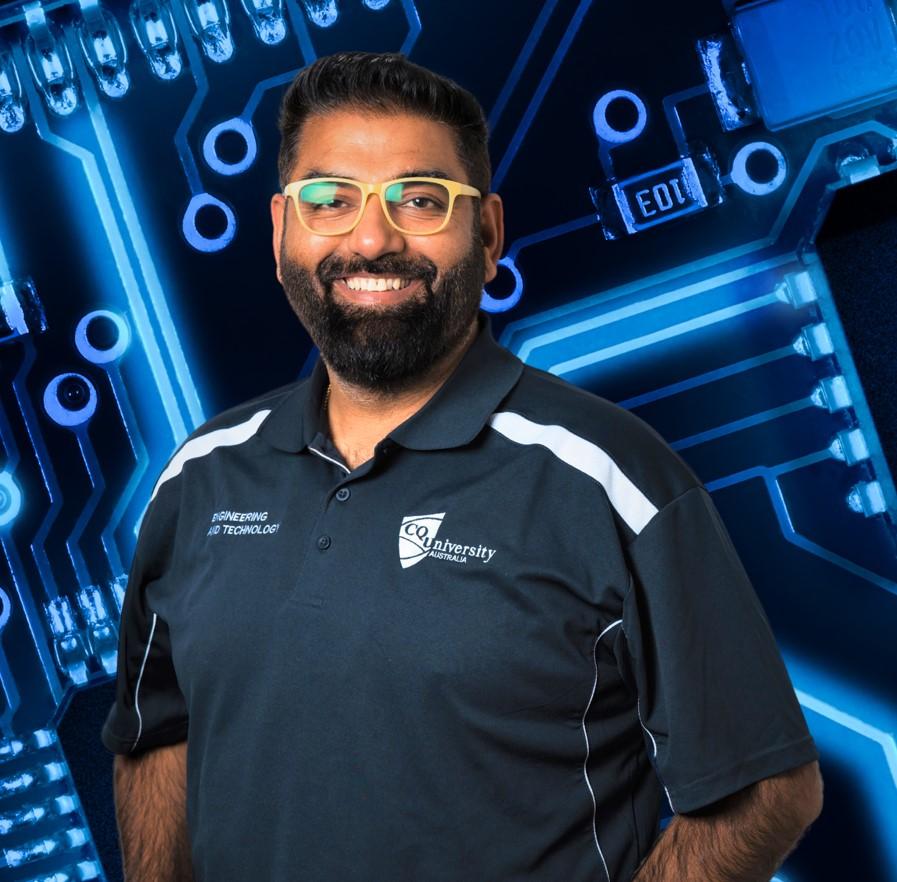
Associate Professor Ritesh Chugh, a socio-tech expert from CQUniversity, says there will always be a place for human thought.“Based on the AI applicability scores presented in Microsoft’s paper, the most at-risk roles in Australia are concentrated in industries that rely on knowledge work, written communication, coding, and routine clerical tasks,” he told The Epoch Times.
“Occupations such as technical writers, interpreters, customer service representatives, clerks, telemarketers, and proofreaders are particularly exposed, given their alignment with the core capabilities of large language models (LLMs), including text generation, summarisation, and query handling.
“However, complete displacement remains unlikely in other areas in the near-term, as many of the roles depend on human judgement, contextual understanding, emotional intelligence, or physical interaction.”
Chugh noted, however, that the Microsoft study relied on interactions with Copilot, which meant it leaned heavily into examining roles that involve typing, scripting, or templated tasks—narrow and structured roles—rather than broader epistemic, relational aspects of professional work.
Professor Says Further Change to Come
Chugh does caution that AI’s impact is already being felt with demand for clerical and language-intensive roles in some industries already declining due to the integration of AI.But change could come even faster.
“While full job displacement will be gradual, noticeable reductions in hiring and task reallocation are likely within the next two to five years, especially in large organisations adopting AI at scale,” Chugh said.
“The speed of change will ultimately depend on industry adoption rates, regulatory environments, and the cost-effectiveness of AI deployment compared to human labour.”
The AI expert says people in “highly exposed” roles such as writing, data entry, translating and scripted communication should consider upskilling or adapting their careers now, rather than waiting.
“As LLM tools continue to improve and integrate into workflows, demand may shift away from task-based execution toward roles that involve critical thinking, human interaction, and AI oversight,” Chugh said.
“A practical approach is to develop complementary skills such as AI literacy, prompt engineering, domain-specific expertise, or supervisory capabilities that allow them to work effectively with AI rather than be replaced by it.”
Long story short, the more humans lean into being human, the more opportunities there will be to weather the AI storm.