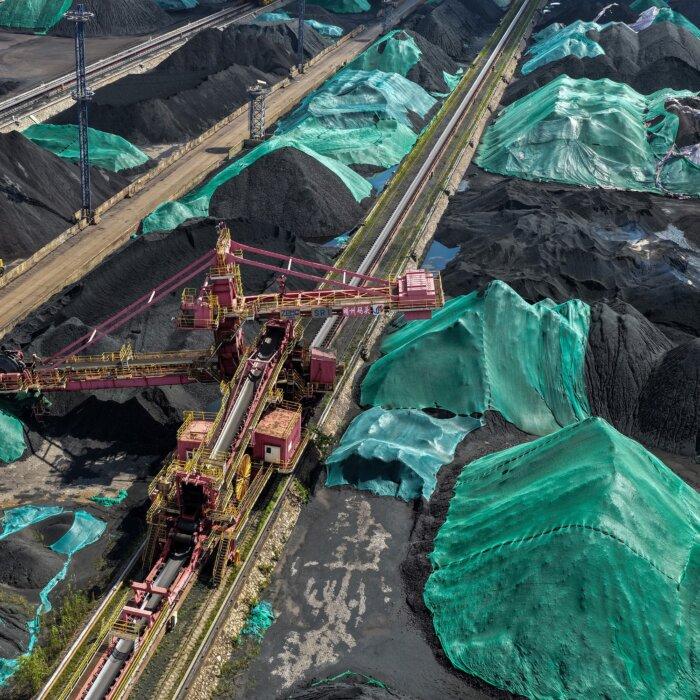
Despite being Australia’s largest export sector, the country’s attractiveness as a mining destination continues to slip, according to a new report.
The Fraser Institute examined 82 mining regions globally and found no Australian jurisdiction was in the top 10.
The recently released Annual Survey of Mining Companies 2024 obtained rankings by aggregating geological assets and mining-friendly policies in each region.
One measure is the amount of time for mining permits to be approved.
In Queensland, 13 percent of cases can take 24 months or more, 14 percent in New South Wales, and up to 18 percent in the Northern Territory.
Conversely on the same measure, the number drops to 7 percent in Western Australia, 5 percent in South Australia, and zero in Victoria.
Overall Rankings Drop
Overall rankings show all Australian regions have decreased in investment attractiveness compared to the 2023 report.Western Australia dropped from 4th of 86 jurisdictions in 2023, to 17th out of 82 on investment attractiveness, and to 18th on policy suitability.
Consistent concerns outlined by mining companies include intervention from the federal government on environmental grounds, Aboriginal land disputes, tough tax requirements, and complex approval processes.
It also cited experiences from one miner, who said, “The blocking of a new gold mine by Indigenous elders has created significant barriers to development, contributing to uncertainty and ultimately deterring investment.”
Others cited poor management by authorities.
“We are hearing multiple cases where the NSW Resource Regulator is causing significant issues for exploration companies in the drill permitting process. The root cause appears to be a lack of communication between government agencies, leading to confusion for both investors and explorers.”
Senator Says African States Ahead of Australia
Nationals Senator Matt Canavan said his home state of Queensland was now behind Tanzania, Namibia, and Indonesia.While New South Wales sat behind Ghana, Russia, Zimbabwe, and the Congo.
“Mining is so important for Australia’s wealth and prosperity,” he wrote on X.
“But our federal government takes forever to approve mining jobs and has delivered some of the highest energy prices in the world.
Finland Tops List
Finland topped the list as the most attractive location for mining globally.Elmira Aliakbari, co-author and director at the Fraser Institute’s Centre for Natural Resource Studies, said the policymakers need to understand that just having mineral deposits alone would not attract investment.
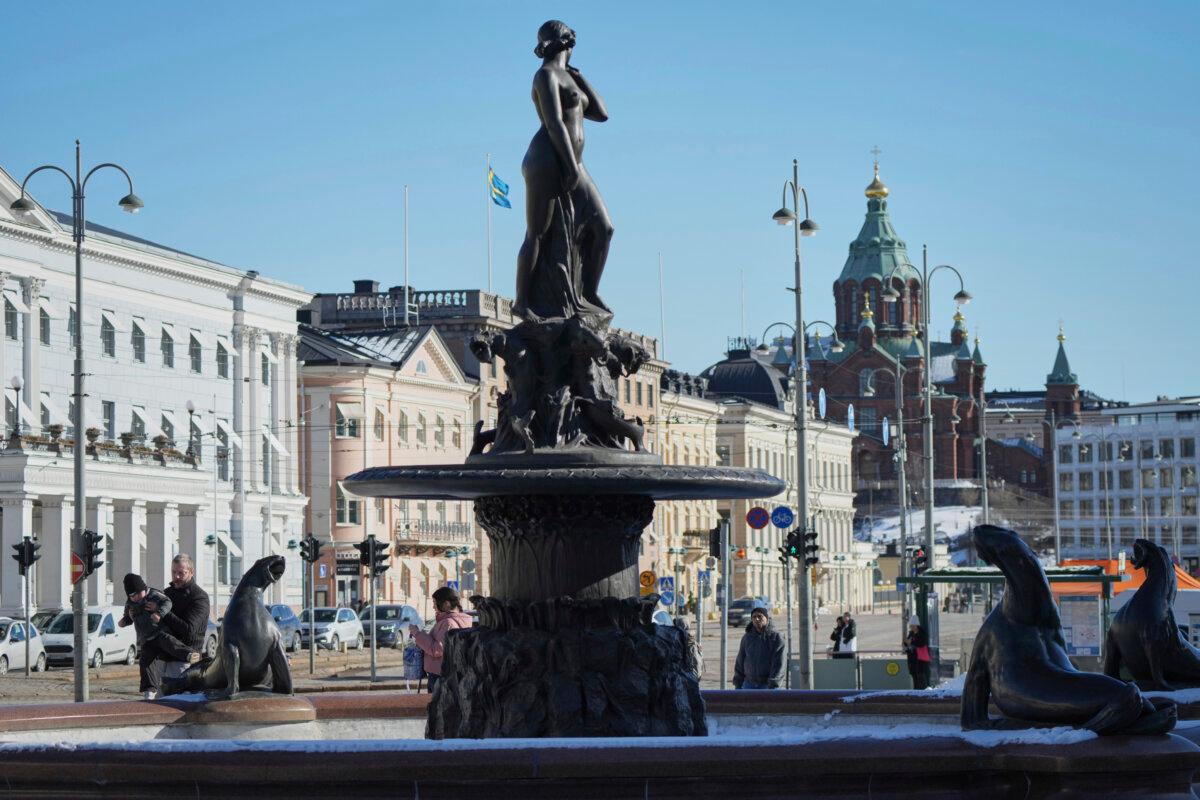
“A sound, predictable regulatory regime coupled with competitive fiscal policies make a jurisdiction attractive to investors,” she said.
“The Fraser Institute’s mining survey is the most comprehensive report on not just a jurisdiction’s mineral potential, but also government policies that either attract or discourage mining investors.”
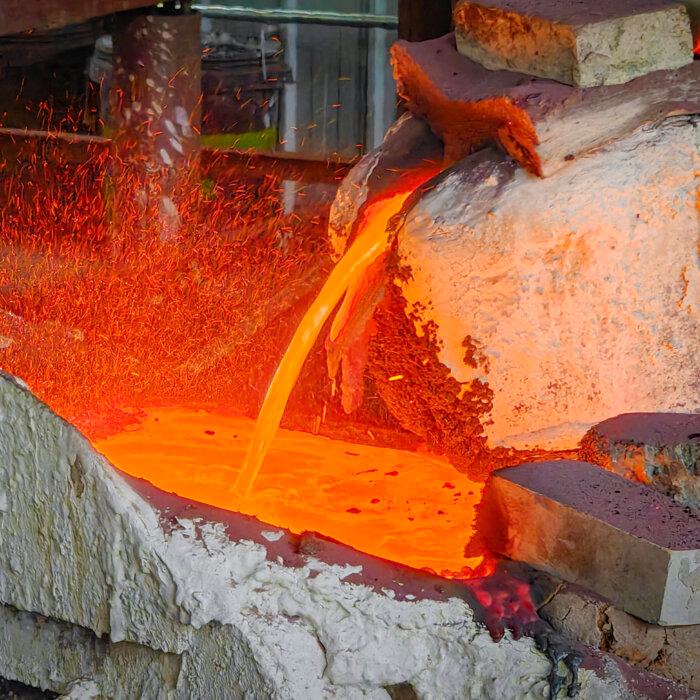
Finland is lucky to sit on the mineral rich Fennoscandian Shield, with abundant supplies of nickel, copper, lithium, gold, platinum and other prized minerals.
But the small European nation is also known for having a transparent and straightforward regulatory framework with a high degree of predictability.
The remainder of the top 10 locations for mining include Nevada, Alaska, Wyoming, Arizona, Sweden, Saskatchewan, Newfoundland and Labrador, Guyana, and Norway.
The worst regions were Minnesota, Guinea (Conarky), Dominican Republic, Bolivia, Madagascar, Mozambique, Nova Scotia, Niger, Suriname, and Ethiopia which sat bottom of all jurisdictions.