Australia’s economy grew 0.6 percent in the June quarter and 1.8 percent over the year, outpacing some global peers but exposing cracks beneath the surface.
The Australian Bureau of Statistics (ABS) said GDP for 2024–25 financial year rose 1.3 percent, a rebound after weather disruptions stalled growth in March.
Household spending and government consumption powered the recovery, while public investment slumped and savings fell to their lowest in years.
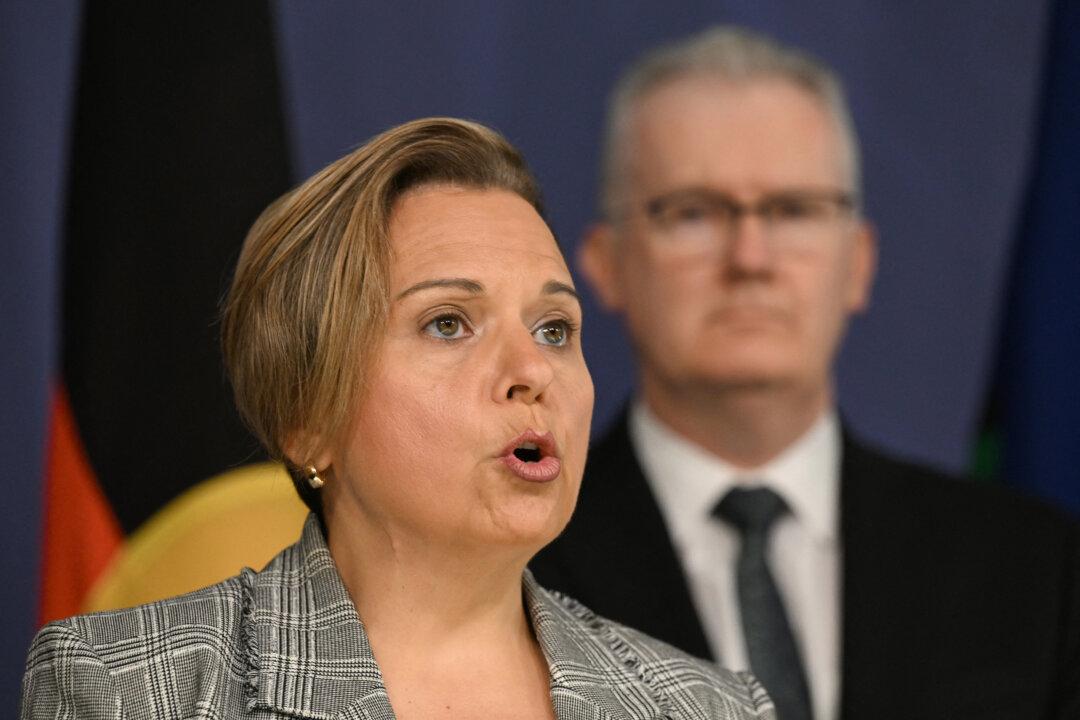
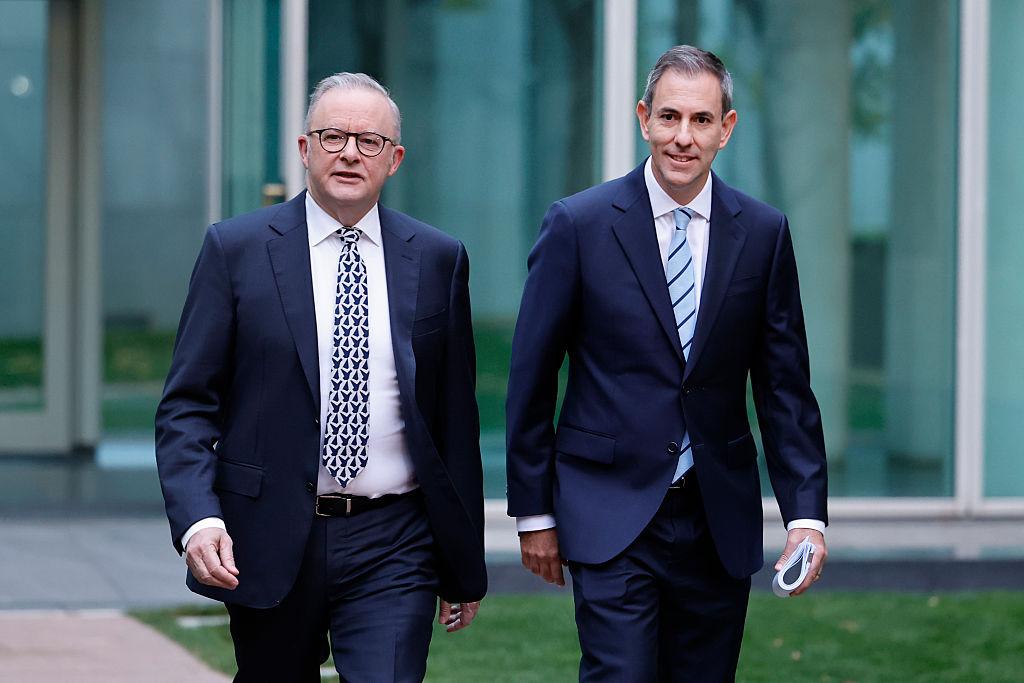
Treasurer Jim Chalmers said the result was “better than most economists expected,” pointing out that Germany and Canada went backwards in the same period.
“If you look at last financial year, we achieved what no major advanced economy could. We had continuous economic growth, unemployment and at least the low fours, and we had inflation below two and a half percent on the most reliable measure,” he told reporters in a press conference.
But the headline figures mask uneven conditions: households dipped into savings to spend more, business investment was flat, and public works dragged growth down.
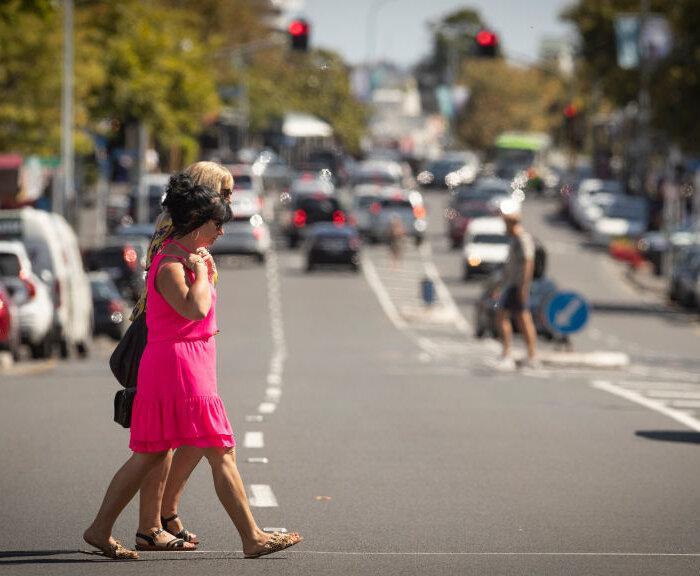

ABS head of national accounts Tom Lay said end-of-financial-year sales and a burst of holiday travel lifted consumption, but noted that “confidence in household budgets remains fragile.”
Australia’s stronger June quarter GDP result has fuelled expectations of another interest rate cut when the Reserve Bank of Australia (RBA) meets on Sept. 29–30.
Households Loosen Their Grip
After months of cautious spending, households opened their wallets.Consumption rose 0.9 percent in the June quarter, more than double the 0.4 percent growth seen in March. Discretionary spending jumped 1.4 percent, helped by end-of-financial-year sales and holiday travel, while essential spending rose 0.5 percent.
Lay said Australians took advantage of the rare timing of Easter and Anzac Day holidays falling close together, which allowed many to stretch out vacations. Spending on hotels, cafes and recreation lifted as a result.
Health also drove essentials higher, with flu season boosting demand for medical services. Supermarket promotions helped lift food purchases.
Yet the good news came with a cost.
The household saving rate slipped to 4.2 percent, down from 5.2 percent in March, as spending outpaced income growth.
Government Spending Up, Public Investment Down
Government consumption added 1 percent in the June quarter.Much of this was driven by higher health spending through Medicare and the Pharmaceutical Benefits Scheme, along with outlays by the Australian Electoral Commission for the 2025 federal election.
Defence costs also rose, reflecting military exercises.
But public investment painted a gloomier picture. It fell 3.9 percent, the steepest decline outside the COVID-19 period since 2017.
Investment and Trade Tell a Mixed Story
Private investment was flat, rising just 0.1 percent after a 0.6 percent gain in March. Growth in housing and intellectual property was offset by weaker non-residential construction.New engineering projects fell, particularly in mining and renewables, while office and warehouse investment also slipped.
Net exports, meanwhile, made a small but positive contribution. Iron ore and LNG production recovered after weather-related setbacks earlier in the year.
Tourism also provided a lift, with more short-term visitors arriving to see family and friends.
Imports detracted from trade, especially travel services. Australians kept travelling abroad in steady numbers, but average spending per trip increased, particularly on long-haul destinations like the UK and Italy.
Political Spin and Sharp Divides
For the government, the data provided a chance to argue that public spending has cushioned the economy and laid a platform for private-sector recovery.Chalmers defended recent outlays, saying they were “good reasons for public sector spending in recent years to have helped keep the economy ticking over.”
The Coalition, however, accused Labor of reckless spending.
Shadow Treasurer Ted O’Brien said the government had “blown $100 billion,” much of it through new on-budget decisions.
“All of it went onto the national credit card, leaving our kids and grandkids to pay it off,” he said in August.