The Albanese government’s Environment Protection Bill has cleared the House of Representatives, setting the stage for a tough Senate battle over reforms that will replace Australia’s two-decade-old EPBC Act.
With Labor holding a vast majority in the lower house, the bill passed on 88 votes to 45, with the Coalition, Greens and crossbenchers all voting against it.
The legislation introduces new powers to enforce environmental standards, create an independent watchdog, and require major projects to disclose their projected carbon emissions.
Opposition Criticises ‘Gagged Debate’
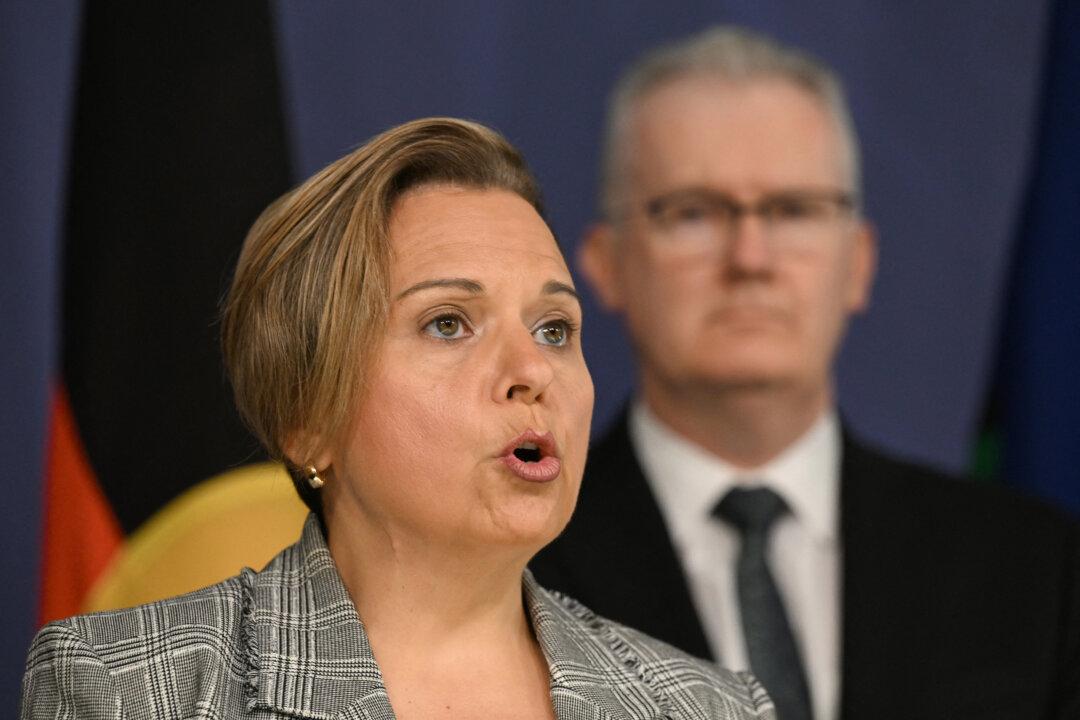
The debate running into a few hours turned fiery as Shadow Environment Minister Angie Bell accused Burke of shutting down scrutiny.“The minister gagged debate time and time again,” she said, claiming she had 50 unanswered questions on the bill. “What is this government hiding?”
Burke’s move to scrap members’ statements to speed the vote also aggravated MPs from the crossbench.


What the Bill Does
The legislation sets up a new federal-level Environmental Protection Agency (EPA) and introduces a “net environmental gain” rule, requiring developers to restore or improve nature after projects, either through rehabilitation or contributions to a government fund.An “unacceptable impacts” test will allow the faster rejection of proposals that threaten critical ecosystems, while a “national interest override” gives the minister limited power to fast-track projects on defence or emergency grounds.
Major projects must publicly disclose emissions and plans to cut them, though emissions alone won’t be grounds for rejection.
Transparency Amendment Accepted
Independent MP Kate Chaney secured the only amendment to pass, requiring the environment minister to publish the annual report of the new restoration fund within 20 days of receiving it.The change is meant to compel developers to pay money into a central restoration fund instead of directly providing offsets.
Burke supported the amendment, saying public reporting was vital to maintain trust.
Other crossbench proposals that were rejected included Boele’s push to embed climate principles into law, and Ryan’s bid to classify clean air and water as matters of national environmental significance.
WA Premier Falls in Line Post Election
Prime Minister Anthony Albanese urged Parliament to back the reform, arguing it delivers both economic certainty and environmental protection.“We don’t have to choose between creating jobs and cutting emissions. We can do both,” he said. “The current laws are obsolete—written for a different Australia. They are neither working for the environment nor delivering for business.”
Western Australia Premier Roger Cook, widely seen as a key Labor figure who delayed the bill’s passage before the May election due to concerns about any impact on his state’s mining sector—and any negative blowback on Labor’s federal election changes—has now thrown support behind the reforms.
Speaking at Parliament House a day before, Cook acknowledged that industry concerns remain, particularly around the bill’s definition of “unacceptable impact”—a provision that would allow the environment minister to block projects deemed too damaging.
Divided Reaction from Coalition, Greens
The Coalition and Greens both condemned the laws—for opposite reasons.Shadow Environment Minister Angie Bell said the bill centralises power in Canberra, making it “a grim picture for jobs, investment and productivity.”
She warned the EPA’s independence gives it “broad, sweeping powers” since its chief could only be removed by the governor-general.
The opposition also opposed legislating emissions reporting into law, warning it could trigger court challenges.
In contrast, Greens environment spokesperson Sarah Hanson-Young said Labor had “done the bidding of the mining lobby.”
Senate Showdown Ahead
The bill’s smooth passage through the lower house belies tougher days ahead.The Senate, where Labor lacks a majority, has already referred the legislation to an inquiry, setting up a prolonged battle before it can become law.