Australia will not increase its defence spending targets despite growing pressure from the Trump administration and NATO.
Deputy Prime Minister and Defence Minister Richard Marles, who is attending the NATO summit in the Netherlands, has confirmed that the Australian government will stick with its current defence budget plan for the foreseeable future.
According to the 2024-25 federal budget, the government is expected to raise defence funding from the current 2 percent of GDP to 2.3 percent by 2033-34.
While the government’s plan falls well short of the United States’ requirements, Marles claimed it represents the largest increase in Australia’s peacetime defence spending.
“We’ve gone through our own process of assessing our strategic landscape, assessing the threats that exist there, and the kind of defence force we need to build in order to meet those threats, to meet the strategic moment, and then to resource that,” he said.

NATO Agrees to Raise Defence Spending
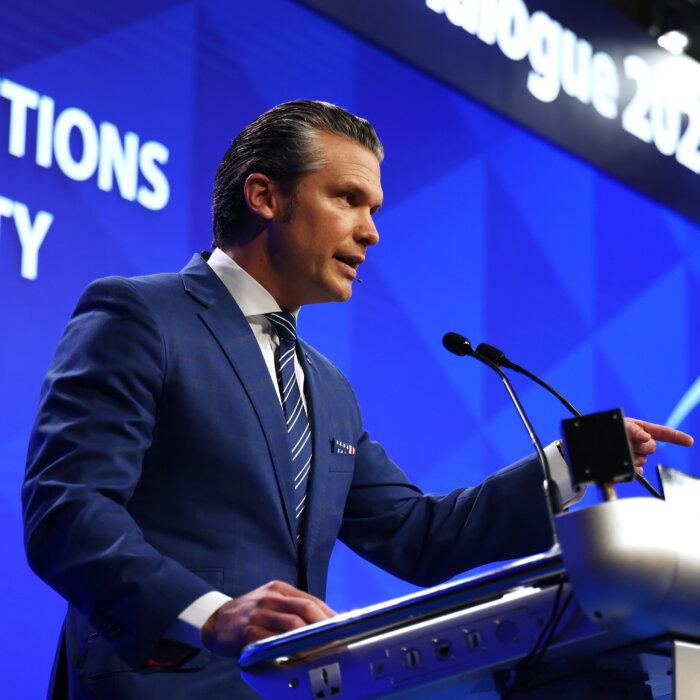
Marles’ remarks come as NATO leaders have agreed to increase their defence spending to 5 percent of GDP by 2035 after months of pressure from the Trump administration.The remaining 1.5 percent will be invested in protecting NATO’s critical infrastructures and enhancing the bloc’s cybersecurity, innovation, and defence industrial base.
“This is the stronger, fairer and more lethal Alliance that NATO leaders have begun to build.”
Following NATO’s announcement, Marles said it was the bloc’s own business.
“Look, obviously, a very significant decision has been made here in relation to European defence spending, and that is fundamentally a matter for NATO,” he said.
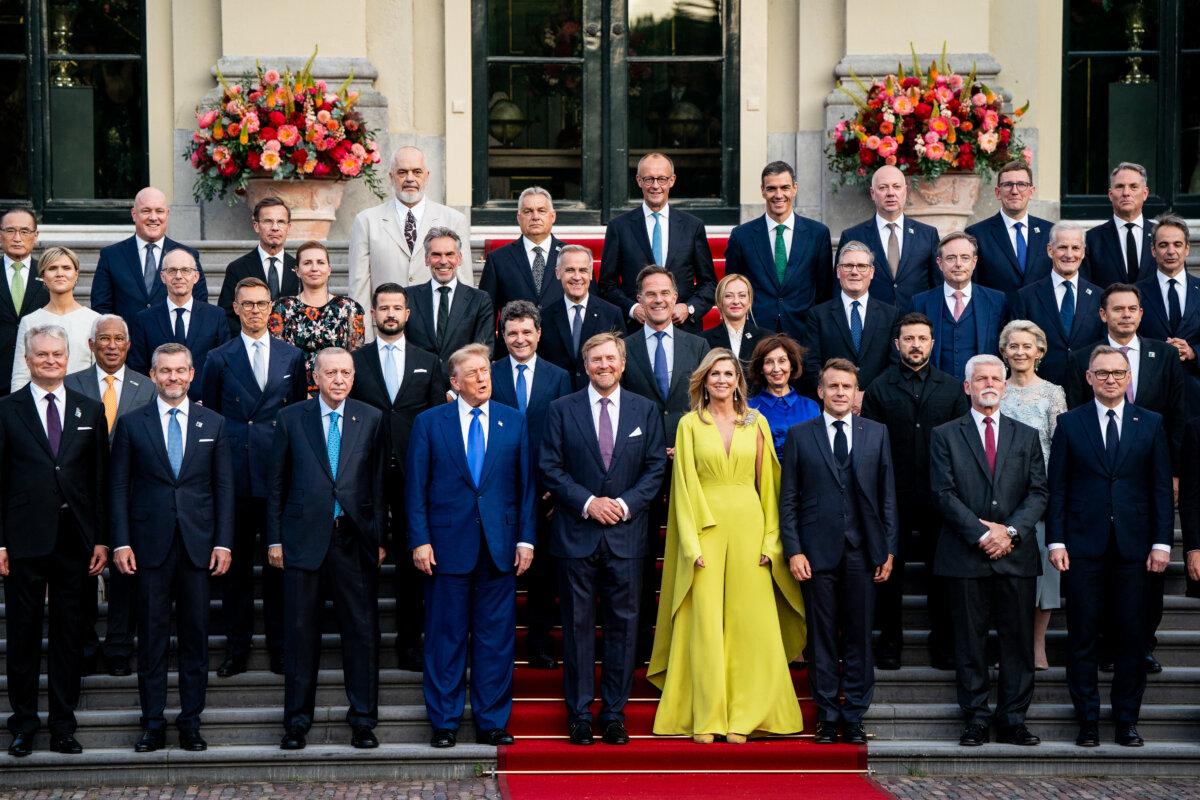
While Australia is not a NATO member, the country’s move could risk drawing criticism from U.S. President Donald Trump, who has repeatedly stressed that America’s allies must contribute their fair share to collective security.
After Spain refused to adhere to NATO’s 5 percent defence spending target, Trump threatened to impose tougher tariffs on the country.
“You know they are doing very well. The economy is [doing] very well. And that economy could be blown right out of the water with something bad happening,” he said.
“You know what we’re going to do? We’re negotiating with Spain on a trade deal, and we’re going to make them pay twice as much—and I’m actually serious about that.”
Australia is currently trying to negotiate a tariff exemption with the Trump administration.
It is worth noting that Marles did not meet with Trump nor Hegseth on the sidelines of the NATO summit, despite efforts to arrange a first face-to-face meeting of an Australian minister with the U.S. president.