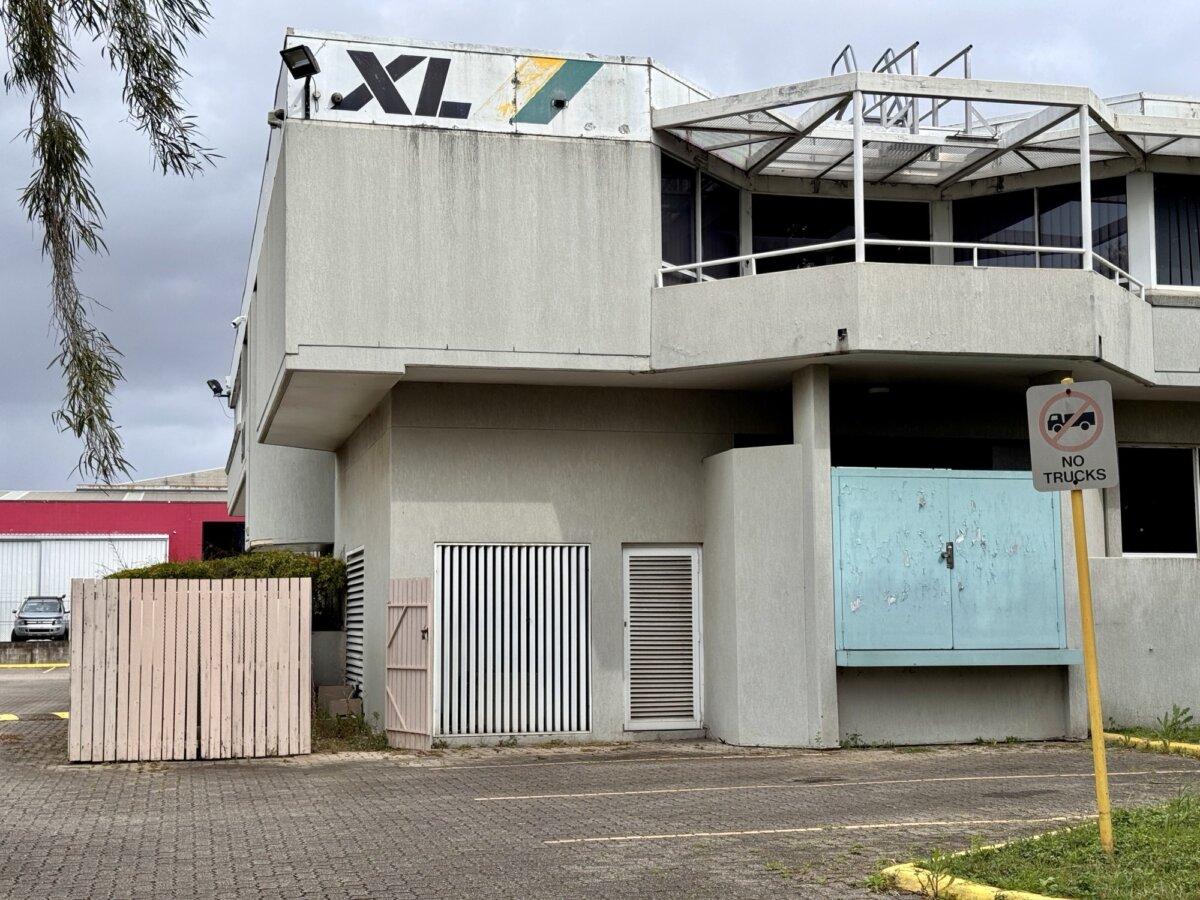
National freight firm XL Express had gone into liquidation as of Aug. 1 with the company owing nearly $42 million to creditors.
The 34-year-old Brisbane-based firm ceased operations after months of financial trouble.
On June 27, the company appointed FTI Consulting as administrator, but this has been unable to keep the company afloat.
FTI found extensive liabilities and confirmed the company’s 200 staff members were stood down as part of the liquidation process.
On June 23, the company had been locked out of its Western Sydney premises due to rental arrears, with employee terminations occurring the following day.
The administrator’s report indicated the company may have been insolvent (operating without enough cash or assets to meet its financial obligations)—for over a year before entering liquidation.


Millions Owed to Banks, ATO and Workers
According to the FTI Consulting report, XL Express had total debts of $41.9 million.This includes $5.3 million owed to employees, $3.4 million to the Australian Taxation Office, and approximately $18.9 million in loans from financial institutions such as the National Australia Bank, ScotPac, and Judo Bank. An additional $12.4 million is owed to other unsecured creditors.
The report also flagged ongoing injury compensation claims by former staff, further complicating the company’s financial situation.
National Operations, High-Profile Sponsorships
With its head office in Acacia Ridge in Brisbane’s south, XL Express offered transport services to retailers, distribution centres, and homes across Australia.As per its website, the company promoted its parcel tracking technology and widespread depot network that spanned Sydney, Melbourne, Darwin, Perth, Adelaide, and Cairns.
Once marketing itself as a challenger in the logistics space, the company claimed to disrupt conventional models with a smarter, more efficient service.
Business Failures Surge
The trucking industry has been hit hard since the pandemic with hundreds of estimated closures, according to the Transport Worker’s Union.Just in June, the third-generation family run Don Watson Group announced it would be closing its doors after 77 years.
Meanwhile, data from CreditorWatch has revealed 14,716 Australian businesses became insolvent in the 2025 financial year, marking a 33 percent annual rise.
The ACT recorded the highest closure rate at 5.55 percent (up from 4.6 percent), followed by NSW at 5.3 percent and Queensland at 5.2 percent, both rising from 4.4 percent.