The federal opposition suffered a rare split in the Senate last night after three Coalition members broke ranks to support a One Nation push for a parliamentary inquiry into immigration.
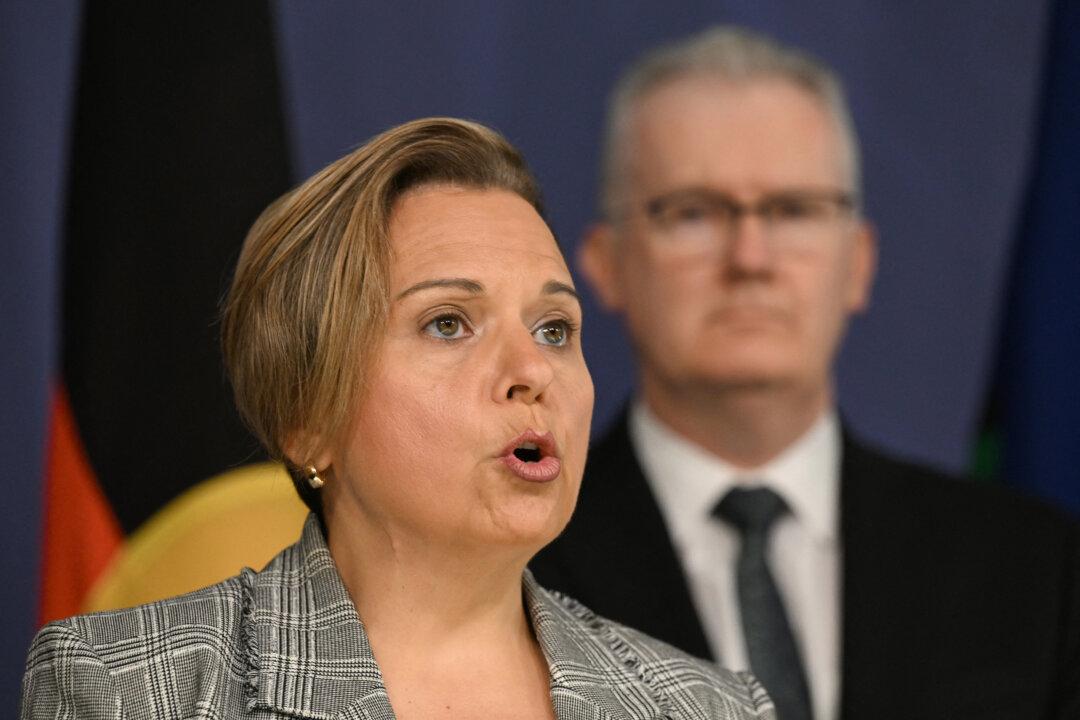
Nationals frontbenchers Bridget McKenzie and Ross Cadell, along with Liberal backbencher Sarah Henderson, crossed the floor to back the motion alongside conservatives Alex Antic and Matt Canavan.
Liberal frontbencher Anne Ruston was overheard urging McKenzie to remain with the party line, but the appeal failed.
What the Inquiry Would Have Examined
One Nation Senator Malcolm Roberts called for a wide-ranging inquiry into how high immigration affects the economy, from housing costs and wages to inflation and productivity.
It also sought scrutiny of Treasury’s repeated forecasting errors.
Roberts framed it as a “a motion without emotion,” arguing it was about facts rather than ideology.
He pointed to Treasury’s consistent underestimates, noting net overseas migration hit 535,520 in 2022–23 against a forecast of 235,000, and 445,640 the following year, again nearly double the projection.
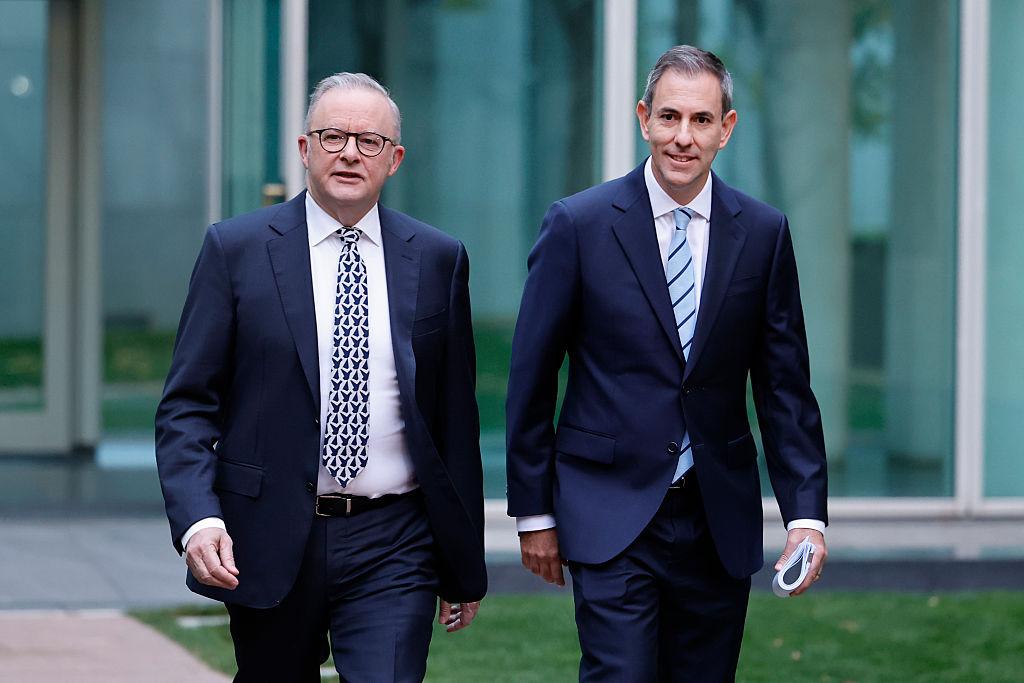
Prime Minister Anthony Albanese countered claims that migration numbers were out of control.
“People in this country voted for a government that would understand that modern Australia was a different nation than it was under the White Australia policy,” he said.
“Diversity is a strength in modern Australia.”
ABS data shows net migration reached 446,000 in 2024, with nearly half made up of international students.
Albanese acknowledged this added pressure on housing and services but insisted migration brings long-term benefits to both the economy and social cohesion.
Rallies and Fallout
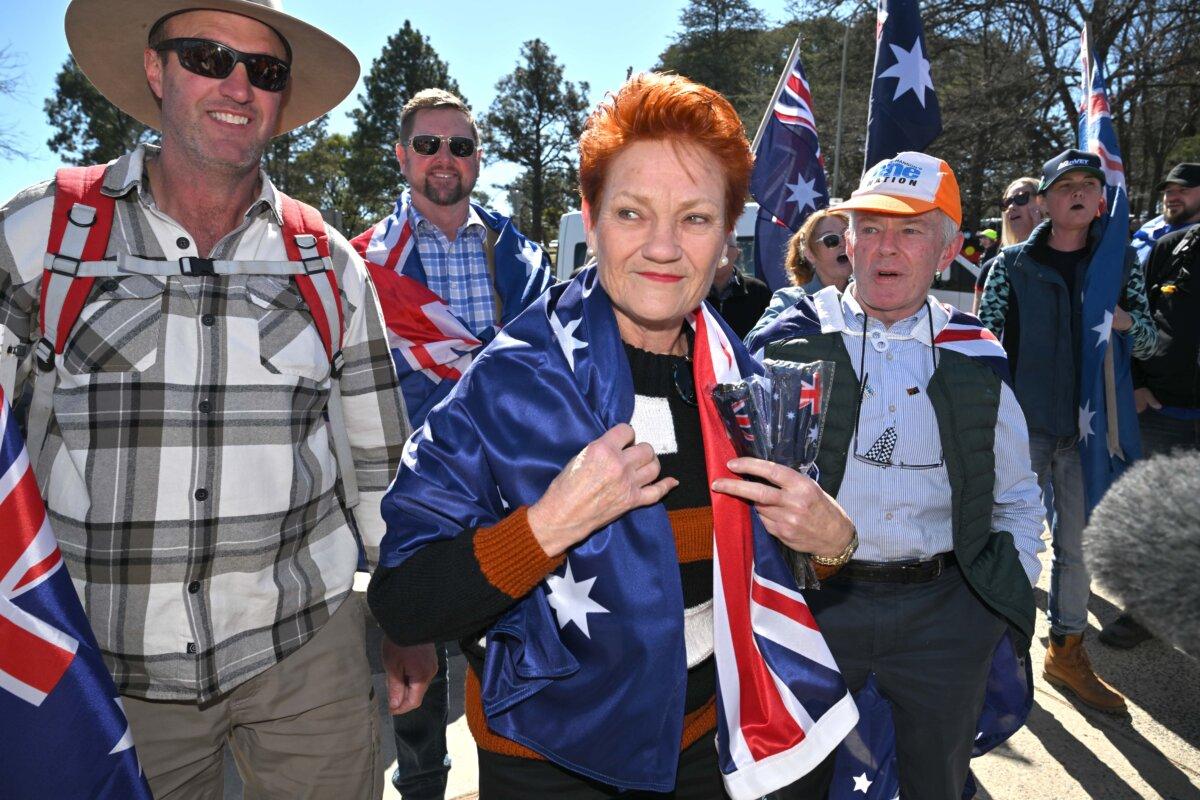
The vote came days after large anti-immigration rallies in major Australian cities, some marred by neo-Nazi and far-right activists.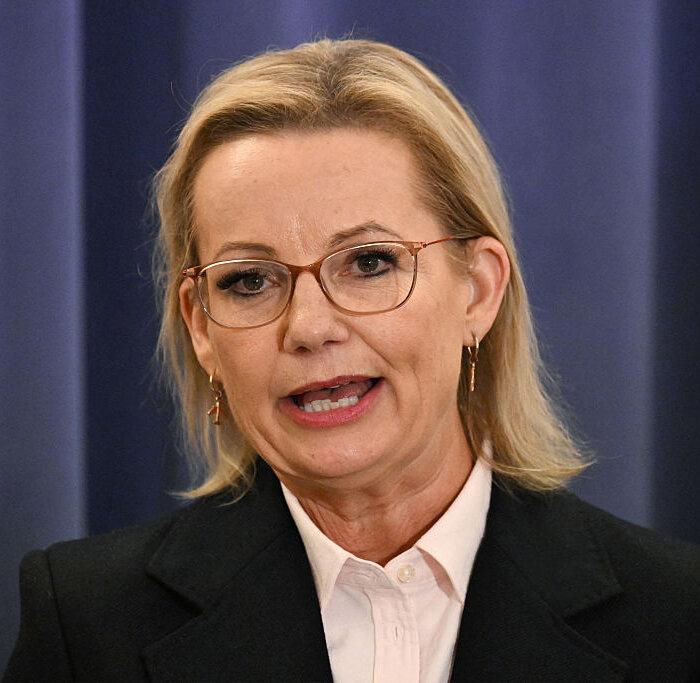
Tens of thousands turned out, calling for lower migration numbers amid concerns over housing shortages and infrastructure strain.
One Nation linked its push directly to the rallies, thanking participants for “standing up for the country and drawing attention to this.”
It accused the government of avoiding an “honest discussion” about the real impact of migration, saying an inquiry would have been a chance to put the facts before the public.