Australia’s Race Discrimination Commissioner has called for the nation’s first inquiry into workplace racism, warning discrimination is holding back careers, damaging mental health, and undermining productivity.
“Racism in the workplace is not just a personal injustice—it’s a national issue that undermines safety, wellbeing, fairness, opportunity, and productivity,” Commissioner Giridharan Sivaraman said.
On Nov. 5, he urged the federal government to establish a dedicated investigation into racism in employment—the first inquiry focused solely on workplace discrimination.
The proposal was discussed at a roundtable held at Parliament House in Canberra, hosted by Commissioner Sivaraman, ACTU President Michele O’Neil, and Professor Nareen Young from the UTS Business School.
The meeting brought together union, business, and community leaders to examine barriers faced by Aboriginal peoples and racially marginalised communities, including mismatched skills, discriminatory hiring practices, and hostile workplace cultures.
Survey Exposes Deep Inequality
Supporting evidence for the inquiry came from a Diversity Council Australia survey of 1,547 workers, which found 93 percent of respondents believe organisations must act on racism, but only 27 percent said their employers were proactive.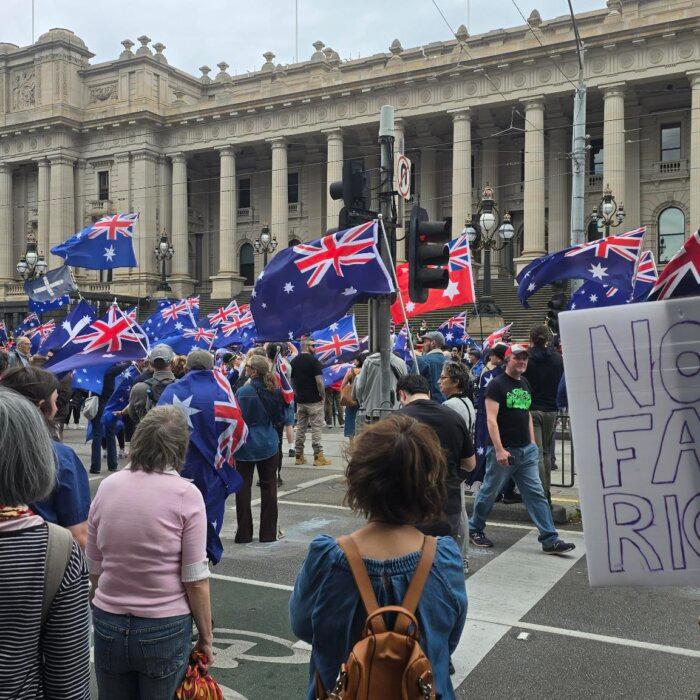
Examples ranged from everyday comments about accents and cultural practices to systemic bias in recruitment and promotion.
Respondents also cited racial tokenism, where minority staff are promoted to signal diversity, and so-called “benevolent” racism, when comments sound positive on the surface, but actually reinforce stereotypes.
“We don’t know the full extent of it. We don’t know how it’s impacting people’s lives,” Sivaraman said.
“Systemic racism is stopping people progressing in their jobs, but data is often incomplete because people are afraid to come forward or don’t know where to make a complaint.”
Parliament Also Under Scrutiny
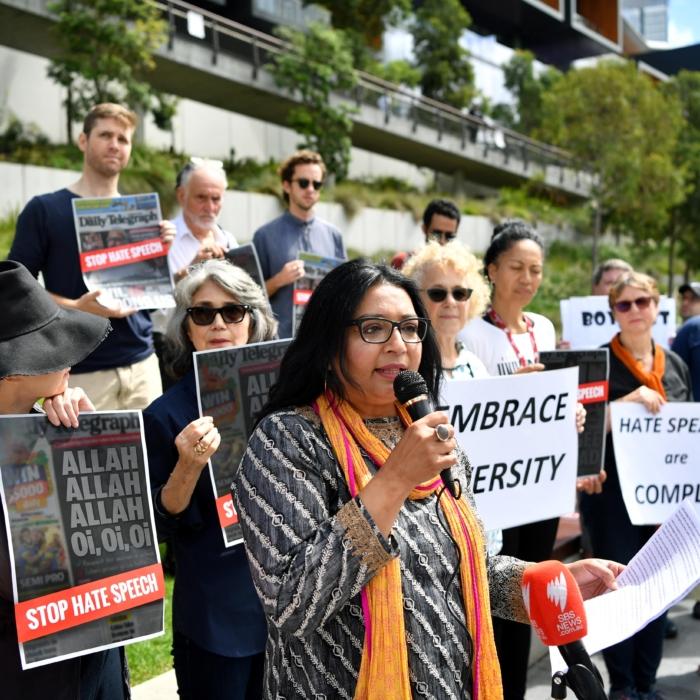
The issue has also reached Parliament. In 2022, Greens Senator Mehreen Faruqi sued One Nation leader Pauline Hanson, who had told her to “[expletive] off back to Pakistan.”The court found Hanson had breached section 18C of the Racial Discrimination Act, which makes it unlawful to offend, insult, humiliate, or intimidate someone based on race.
While the verdict was upheld, it reignited the long-running clash between anti-racism protections and freedom of speech.
NSW Solicitor-General Michael Sexton argued that section 18C imposes “an unwarranted restriction on political expression,” noting that public debate can sometimes involve sharp exchanges that may offend.
Push for Legal Reform
Senator Faruqi has continued to warn that racism is not confined to political debate but shapes experiences in every workplace—including Parliament.Appearing at Senate Estimates on Oct. 13, she said not enough is being done to address the issue, citing recent “March for Australia” protests as evidence of growing hostility toward migrants and people of colour.
She said she remained concerned that “systemic racism continues unchecked across many workplaces,” despite the federal National Anti-Racism Framework outlining 63 recommendations for reform.
- creating a dedicated anti-racism taskforce that would monitor and publicly report on national progress toward implementing the reforms.
- a national body to oversee Aboriginal deaths in custody
- raising the age of criminal responsibility
- an independent review of the justice system’s treatment of racial minorities