Australian Prime Minister Anthony Albanese’s office says he has spoken with Palestinian Authority President Mahmoud Abbas overnight.
A readout of the conversation says he “reiterated Australia’s call for the immediate entry of aid to meet the needs of the people of Gaza, a permanent ceasefire, and the release of all hostages.
“Prime Minister Albanese also reinforced Australia’s commitment to a two-state solution because a just and lasting peace depends upon it. President Abbas thanked Prime Minister Albanese for Australia’s economic and humanitarian support.”
Abbas also praised Australia’s “positive approach to recognising the state of Palestine” and said it could play an “important role” in achieving peace and stability in the region.
The two leaders agreed to a bilateral meeting on the sidelines of the U.N. General Assembly in September. The last time they spoke formally was in November 2023, a month after the terror attack by Hamas.
Albanese has yet to secure a call with Israeli Prime Minister Benjamin Netanyahu.
The announcement of a meeting with Mahmoud takes place against a backdrop of increasing calls for Australia to recognise Palestinian statehood at the U.N.
Foreign Minister Penny Wong on Aug. 5 told the Australian Broadcasting Corporation that, “There is a risk there will be no Palestine left to recognise if the international community don’t move to create that pathway to a two-state solution.”
However, Shadow Attorney General Julian Leeser, himself Jewish, told RN Breakfast that such a move would reward Hamas and embolden other terrorist organisations.He said that while he wants to see a two-state solution, he believes the world is “further away from that today than at any point in the past.”
“I don’t want to see people suffering,” Leeser said. “I want to see the aid getting through, and I want to see Hamas releasing the hostages because it’s only when the hostages are released and only when Hamas plays no further part in the future of the region that a stable and lasting peace in the Middle East can come about.”
He said recognising a Palestinian state would “send a bad signal around the world to other terrorist organisations that if you increase your level of intransigence, if you maintain your position, then you will achieve your aims.”
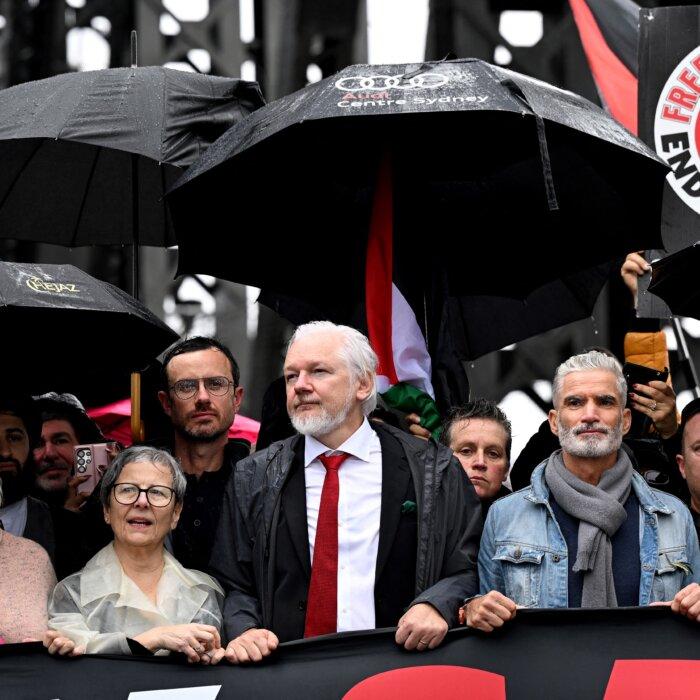
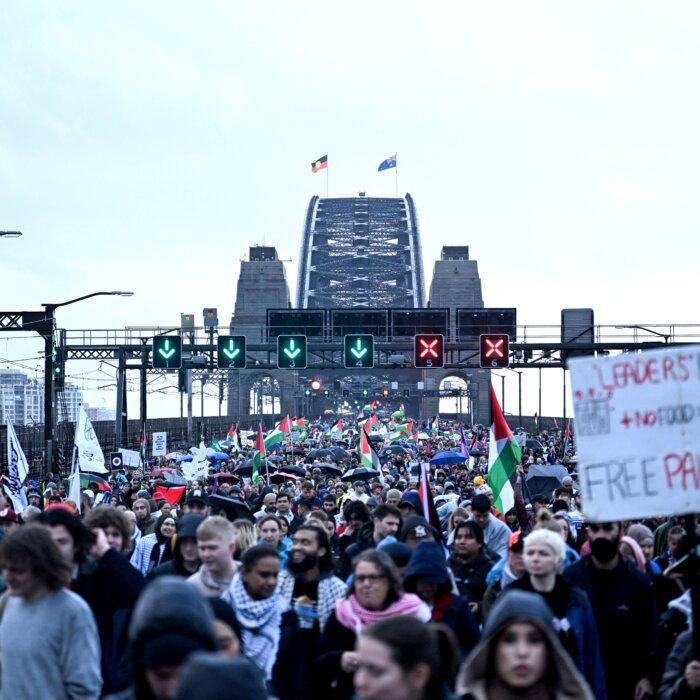
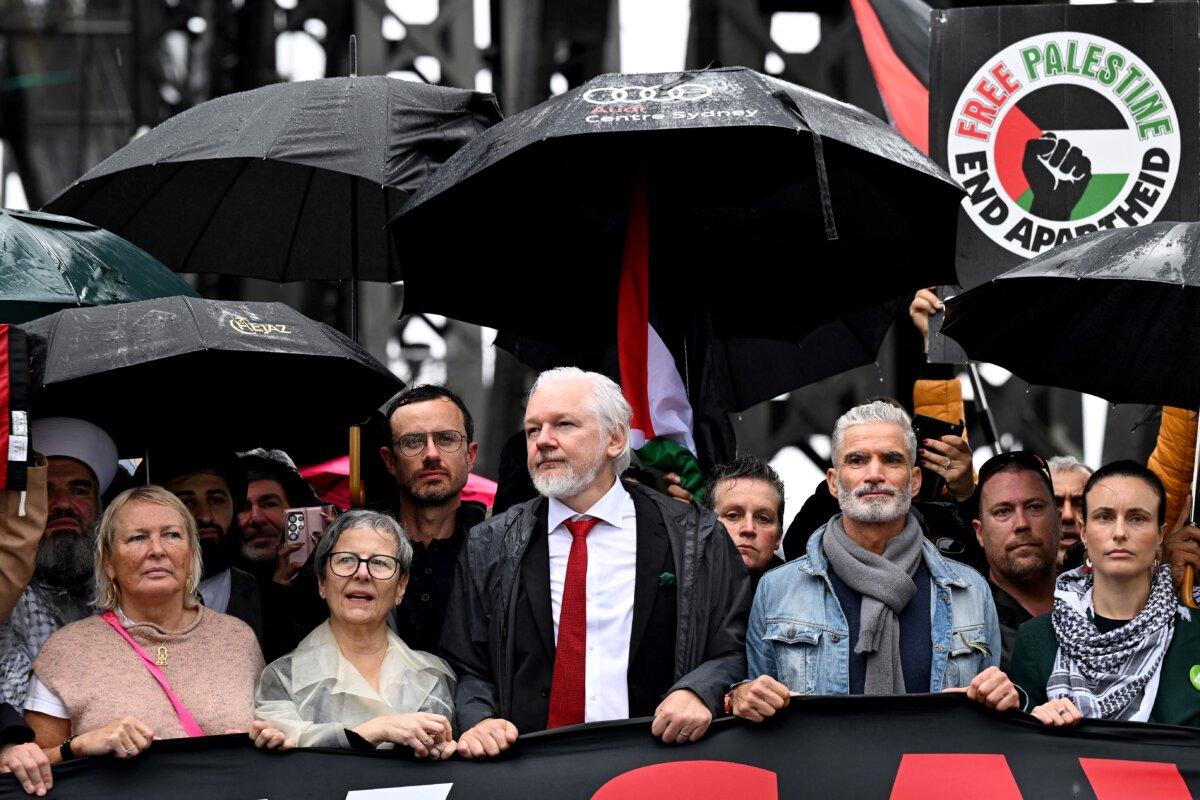
Meanwhile, nationwide protests are being planned by the pro-Palestine movement, after a march across the Sydney Harbour Bridge saw 90,000 participants join in. Further events are planned on Aug. 24 in Sydney, Melbourne, Canberra, Adelaide, and Perth.
“No one should believe it’s open season on the bridge,” he told reporters, but said new laws may be needed to stop similar actions in future.
Minns was “not ruling anything out” but said any new law could not be rushed. He has faced some internal dissent from other Labor MPs over protest legislation.
Federal Opposition Leader Sussan Ley encouraged the premier to look at “what might happen next ... because we can’t continue to have these protests that shut down such an important area of a major city,” she told reporters.
Albanese said demonstrations were an important part of democracy and highlighted the peaceful nature of the Sydney march.
“Australians want people to stop killing each other, they want peace and security ... they don’t want conflict brought here,” he said.
Palestine Action Group organiser Josh Lees, who was the defendant in the court action, said the group has no plans for a repeat crossing any time soon and accused the premier of having an anti-protest agenda.
“His stance is pretty clear and he’s passed a raft of anti-protest legislation already,” Lees said. “We’re going to have to keep fighting for our rights to demonstrate.”