Australian Health Minister Mark Butler has confirmed his department is closely monitoring the deadly Nipah virus following a recent outbreak in India.
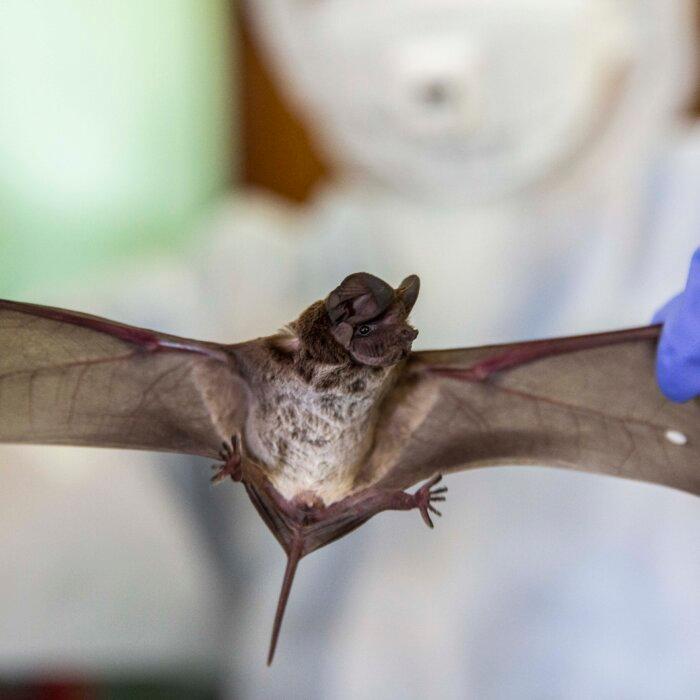
The Nipah virus is a zoonotic virus carried naturally by fruit bats and can be transmitted to humans, with a mortality rate up to 75 percent.
The virus spreads to humans via direct contact with infected animals (such as fruit bats and pigs) and their bodily fluids, as well as eating fruit products contaminated with their bodily fluids.
There is currently no vaccine or treatment for the Nipah virus.
On Jan. 29, Butler described the virus as a “very serious” one.

“Like other countries, we’re monitoring the recent outbreak of the Nipah virus in West Bengal province of India, with at least a couple of confirmed human cases. We’re monitoring it very closely,” he told reporters.
“We’re engaging with other authorities internationally, including the World Health Organisation (WHO).
“And any advice we receive from authorities we’ll follow very seriously.”
No Change to Border Protocols
On Jan. 30, Butler said the Australian government was not changing its border monitoring arrangements for overseas travellers at this stage.“We’ve got no advice to change those protocols at this stage, but we’re monitoring on a daily basis.”
While the minister noted that it was “very difficult” for the virus to spread from human to human, he said its mortality rate was quite high.
“It doesn’t spread in the way that COVID or the flu does through airborne viral particles. It really needs quite close personal contact, so it’s spread through essentially human fluids,” he said.
“But if you do get it, the mortality rate is very, very high—between 40 and 75 percent.”
Butler also advised people to visit the CDC website to learn more about the virus, saying it is “pulling all the advice from around the world together in a single authoritative piece of advice for Australians.”

Indian Government Debunks ‘Incorrect’ Reports about Number of Patients
The Indian Health and Family Welfare Ministry said on Jan. 27 that incorrect figures relating to the Nipah Virus had been circulated among the media.It confirmed only two cases had been reported in West Bengal since December 2025.
“A total of 196 contacts linked to the confirmed cases have been identified, traced, monitored, and tested. All traced contacts have been found asymptomatic and have tested negative for Nipah Virus Disease.”
A negative test means the virus is not detected in a person.
The ministry also noted that extra surveillance, lab testing and field investigations had been carried out.
CDC’s Warnings for Australian Travellers
Amid the outbreak, the CDC has warned Australian travellers to take precautions in areas where the Nipah virus has been found.Previous outbreaks have been reported in Bangladesh, India, Malaysia, the Philippines and Singapore. The virus was first identified in 1998.
The CDC also warned against consuming raw palm juice, sap or fruit that may have been exposed to animals or their bodily fluids.
Meanwhile, authorities in Hong Kong, Singapore, Malaysia and Thailand have set up airport screening and testing regimes to address the threat of the virus.