With inflation slowing and wage stagnation still fresh, the Fair Work Commission (FWC) has granted a 3.5 percent pay rise for millions of low-paid workers starting July 1.
The national minimum wage will now climb to $24.95 an hour or $948 per week, based on a 38-hour work week.
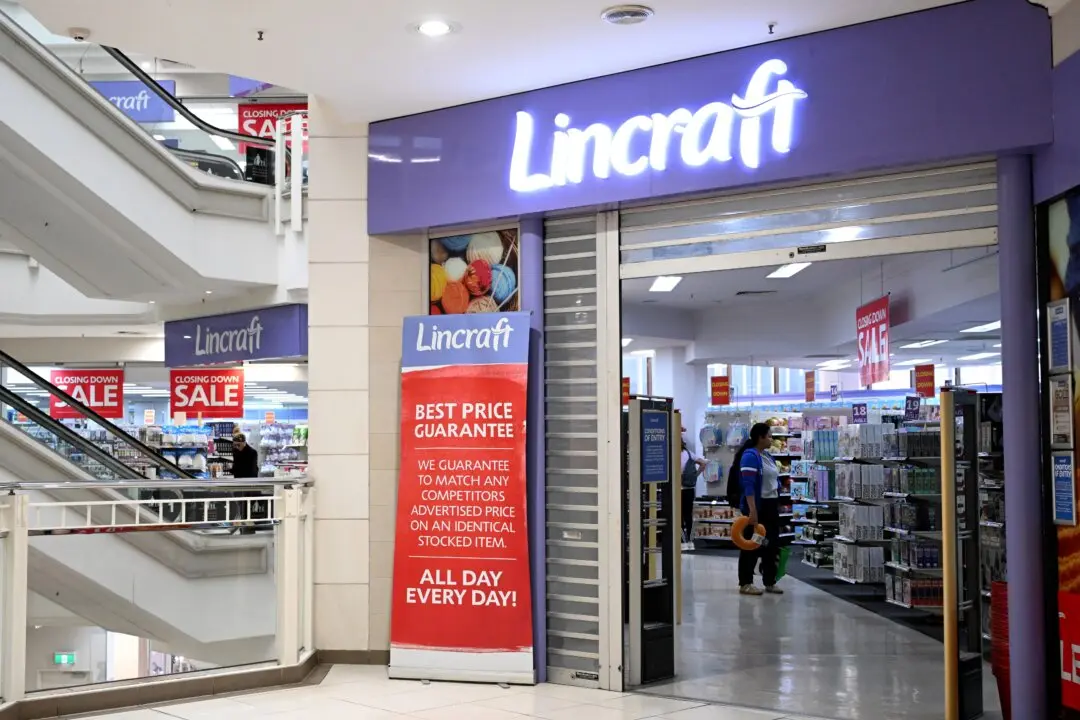
The move is expected to affect about 3 million minimum-wage workers across Australia, mainly in accommodation, restaurant, retail, and admin.
Economic Conditions Help Shape Ruling
The FWC said the 3.5 percent increase balanced several economic factors, including confirmation from the Reserve Bank that inflation is currently under control at 2.4 percent.The decision also took into account the upcoming rise in the Superannuation Guarantee, economic uncertainties from global trade developments, and signs of weakness in sectors such as accommodation and food services—industries with high numbers of award-reliant workers.
The Commission added it would continue reviewing award classifications to address the “gender pay gap” and ensure that undervalued work, especially in female-dominated sectors, is appropriately compensated.
Award-dependent workers are concentrated in sectors such as accommodation and food services, healthcare and social assistance, retail, and administrative support.
Competing Calls
The FWC’s ruling comes after competing pressure from unions, employers, and the government.Australian Council of Trade Unions (ACTU) had lobbied for a 4.5 percent rise, arguing that workers needed a pay lift above inflation to recover from years of stagnant real wage growth.
“Their decision supports the ACTU’s argument that Australia’s lowest paid workers should catch up with what was lost during the inflation spike,” ACTU Secretary Sally McManus said.
In contrast, employer groups like the Australian Retailers Association and the Chamber of Commerce and Industry had pushed for no more than 2.5 percent, citing rising operating costs.
The Australian Industry Group recommended a 2.6 percent increase, while the Australian Restaurant and Café Association called for no more than 2 percent.
Last year, the FWC approved a 3.75 percent increase, driven by higher inflation.