The federal Labor government is urging the Fair Work Commission (FWC) to raise the minimum wage at a rate higher than inflation, which is currently sitting at 3.7 percent.
The consumer price index (CPI) was 3.8 percent for 2025 and is expected to hit at least 4.2 percent by the middle of the year, depending on fuel prices.
The FWC makes the decision each year, independent of government, but accepts submissions from anyone with an interest.
Consistent with its usual practice, the government has not recommended a specific figure, unlike the Australian Council of Trade Unions (ACTU), which wants to see a rise of 5 percent, and the Australian Chamber of Commerce and Industry (ACCI), which wants to see any increase held to 3.5 percent.
It points to the underlying rate of inflation returning to the Reserve Bank of Australia’s (RBA) target band in 2026/27.
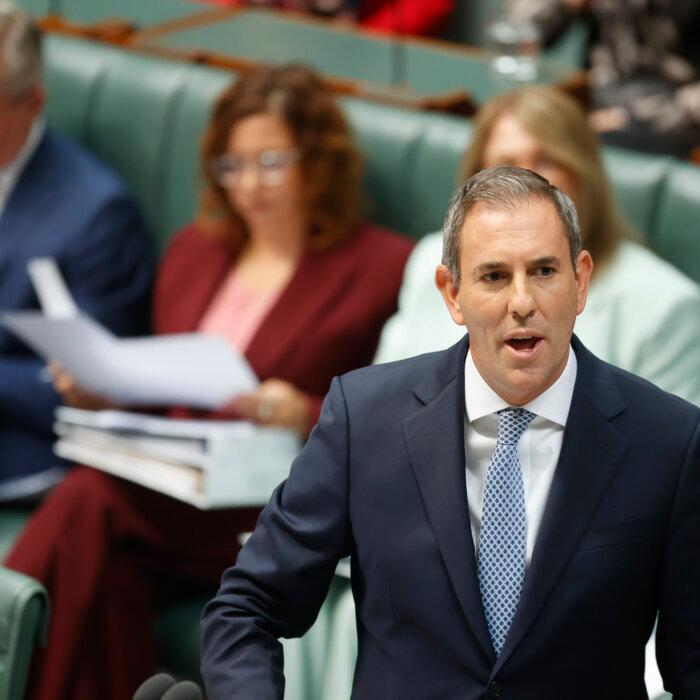
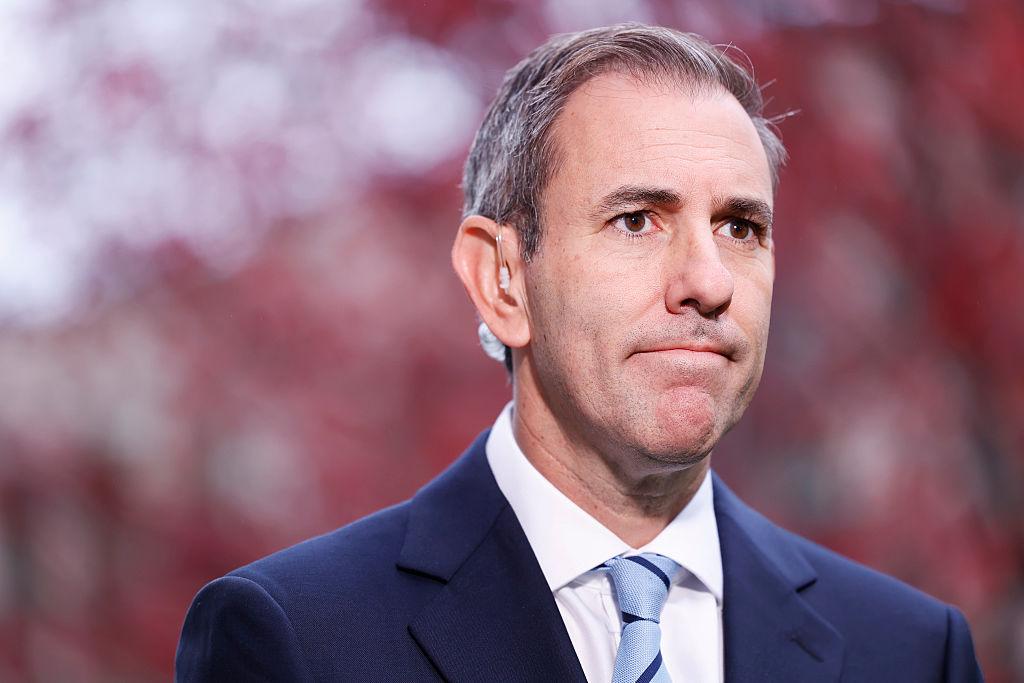
“Workers are doing it tough right now, and that’s why we think they should get a sustainable real wage increase,” Treasurer Jim Chalmers said.
Low-Paid Workers Now Better Off
The treasurer also said that since Labor came to power in 2022, its recommendations for real wage increases have seen a cumulative increase of more than $9,000 for minimum wage workers.“The minimum wage is now $175.40 a week higher than when we came to office,” Chalmers said.
An increase to the minimum wage can also play a role in closing the gender pay gap, said Minister for Employment and Workplace Relations Amanda Rishworth.
Unions’ Claim ‘Completely Unjustified’: Australian Chamber
Meanwhile, the ACCI cited inflationary pressures as a reason not to go above its recommended 3.5 percent.“The risk is that that will tip fuel onto the inflation fire that we’re already seeing, and that’ll only put higher pressure on interest rates in the months ahead ... if you want to make that a self-fulfilling prophecy, then go ahead and let wages break out,” he said.
In contrast, the ACCI’s 3.5 percent was “a fair outcome, a reasonable outcome, a responsible outcome,” he said.
Pat Bustamante, senior economist at Westpac, said the effect of a higher-than-inflation wage rise would depend on “the state of the economy and balance between demand and supply.
“At the end of the day, in a service economy like Australia, wages are a big part of input costs, and if input costs go up, eventually they get passed through to the consumer. It’s just kind of the way the economy works.”
Westpac expected rising fuel costs to impact inflation for the next three quarters, Bustamante said.
“So assuming ... there’s a ceasefire in the Middle East and eventually there’s an agreement signed, we’re expecting underlying inflation to return back [in line with expectations] before the war. So just above 3 percent by the end of the year.”