Australia’s Home Affairs Minister Tony Burke has revealed why his party steers away from the term “radical Islamic extremism” when describing the Bondi terrorists.
The issue has been a focal point around the response to the Bondi Beach terrorists who were inspired by ISIS and targeted a Jewish celebration on Dec. 14, killing 15 people in a mass shooting.
On Jan. 19, shadow home affairs spokeswoman Michaelia Cash was critical of the recently passed bill on hate speech, saying it did not mention radical Islam by name.
“Now, if the prime minister can’t name the problem, how in God’s name, do you actually tackle it?”
On Jan. 20, Burke explained his government’s position.
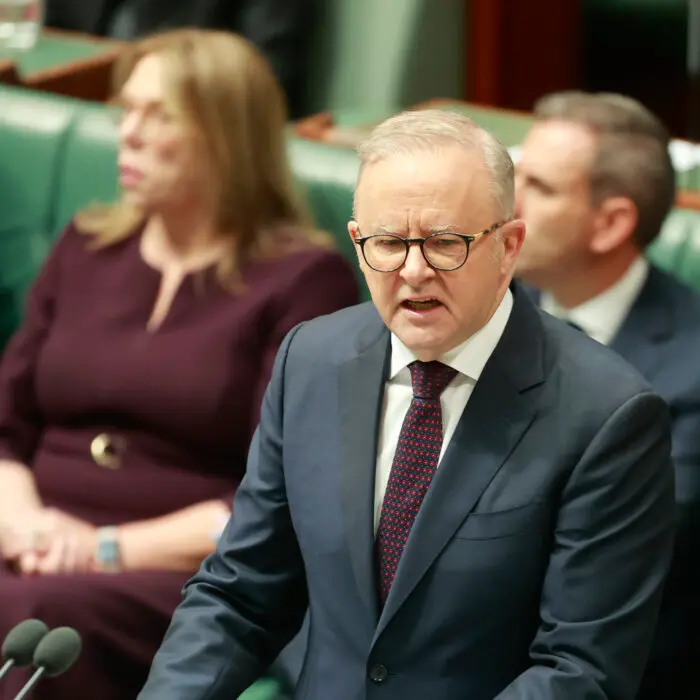

“Here’s the thing—the terrorists want the label because they think it gives them legitimacy in their world and that’s why I’ve always been reluctant to use it.
“Certainly, from their perspective, they believe they are promoting radical Islam, that’s what they believe they are doing, that’s where they are at.”
At the same time, Burke, who presides over the heavily Muslim electorate of Watson, defended his community in the wake of the Bondi terrorist attack.
“It is also the case that the community has the strongest possible rejection of that [incident], cause what the community says—the community leaders—and they were all at one on this ... the statements were all there of straight condemnation and of giving the strongest rejection they could,” he said.
“Which is to say this has nothing to do with their faith even to the extent of refusing burial rights for the individual [alleged Bondi shooter Sajid Akram, who was killed on site].
“Now that is the strongest objection and I’m not sure why I should say something weaker than what they’re saying.”
In another interview with Sky News Australia, the minister acknowledged that the threat of Islamic extremism was real, but noted that other forms of extremism were also “deeply problematic.”
“The work never ends, but what I‘ll never do is just concentrate on one part of it because the moment you do that you’ll find the problem somewhere else has exploded.”