There is still no clear answer on whether drinking water contaminated with PFAS is harmful, a parliamentary committee has heard.
PFAS—per- and polyfluoroalkyl substances—are a group of synthetic chemicals used to make products resistant to heat, stains, grease, and water.
They are found in items ranging from non-stick cookware and water-repellent clothing to firefighting foams.
Because they break down slowly, PFAS can remain in soil and water for decades or centuries, earning them the nickname “forever chemicals.”
Uncertainty at Inquiry
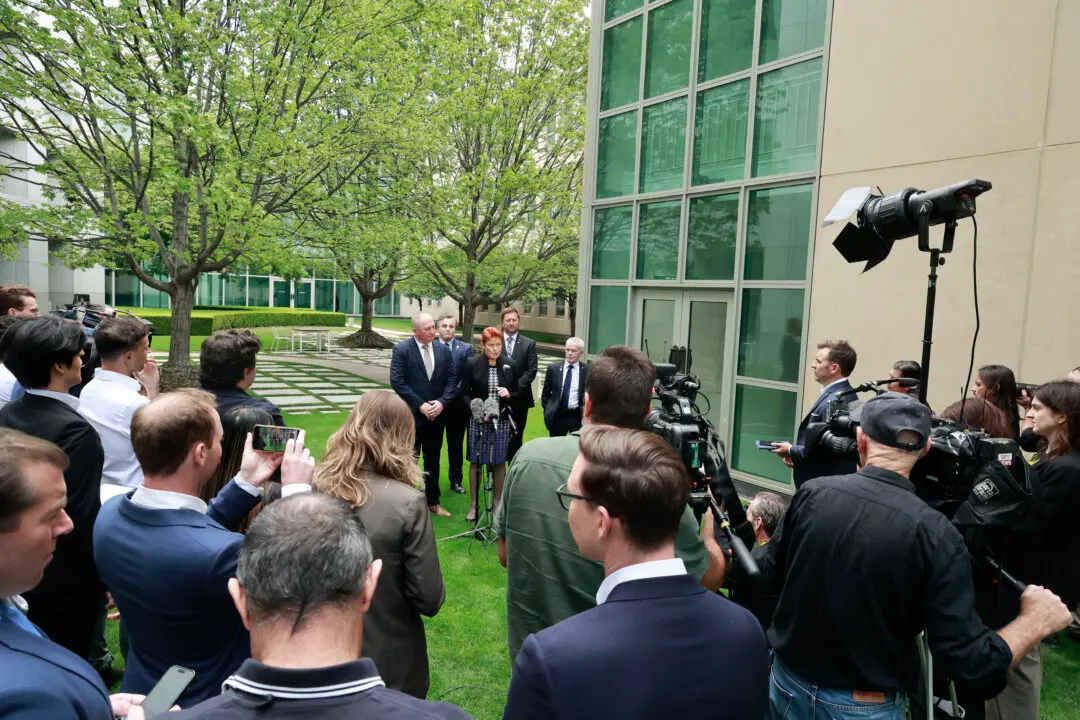
At a hearing of the Senate select committee on PFAS, chair Lidia Thorpe asked government officials if drinking PFAS-contaminated water was toxic.

Alan Singh, an executive director at the National Health and Medical Research Council (NHMRC), said he could not provide a definitive answer.
Meanwhile, Stephen Bouwhuis, from the Department of Health, Disability and Ageing, said Australia has standards for water and food, and authorities acted when breaches occurred.
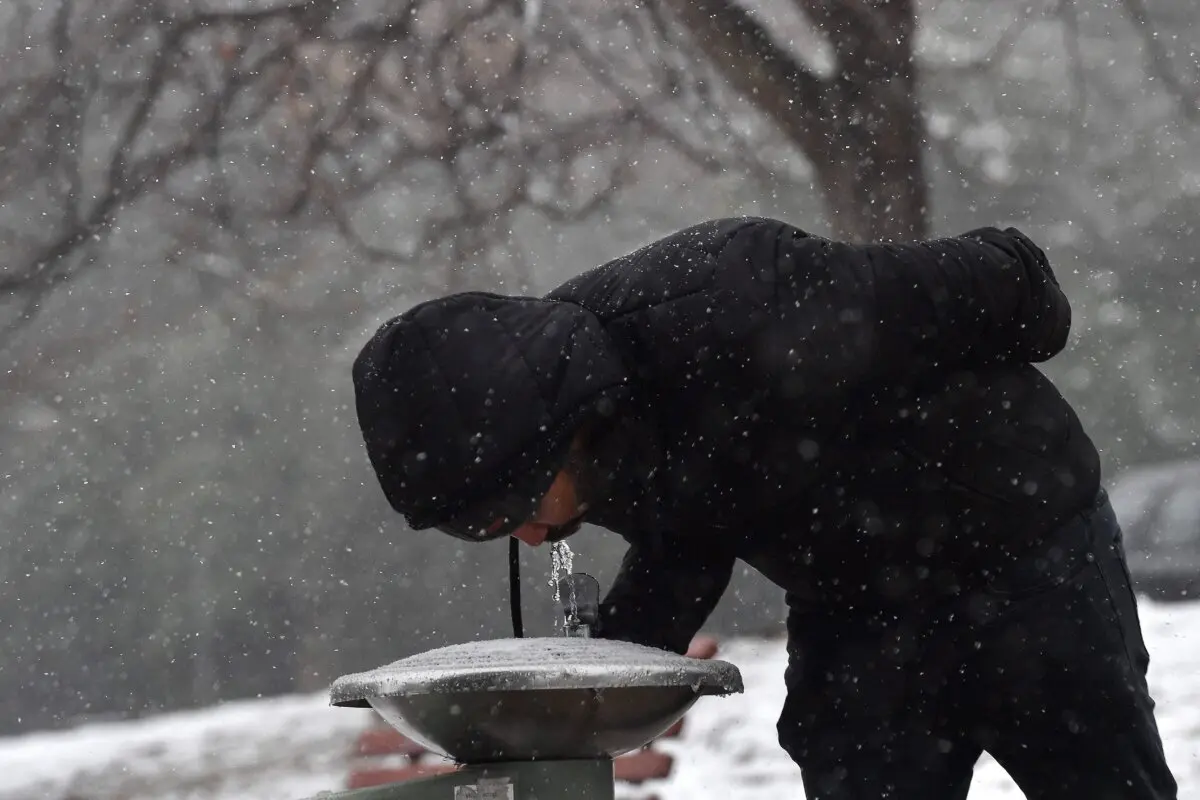
“Where there are non-compliances, they are remediated to make sure that the food people eat and the water people drink is safe,” he said.
Bouwhuis said the government adopted a precautionary approach given the scientific literature linking PFAS with health issues.
“We suggest and recommend that people reduce their exposure to PFAS,” Bouwhuis said.
At the same time, the assistant secretary emphasised that association does not equal causation—meaning that while PFAS have been potentially linked to health risks in some research, they cannot be confirmed as the direct cause.
“For example, you say, look, I’ve got factory workers, and these people have been using FOA [a type of PFAS chemical], and then they’re reporting higher levels of … kidney [issues],” he said.
“That’s an association. It doesn’t show causation.
Updated Guidelines for PFAS
Committee members also asked why the NHMRC changed the drinking water guidelines for PFAS in June 2025, lowering the recommended values for several specific chemicals.The previous 2018 values were a combined 70 nanograms per litre (ng/L) for PFOS and PFHxS and 560 ng/L for PFOA.
Under the new guidelines, the limits are 8 ng/L for PFOS, 30 ng/L for PFHxS, 200 ng/L for PFOA, and 1,000 ng/L for PFBS.
Singh said the changes reflected growing evidence about possible health associations.
Sources of Exposure
The NHMRC said drinking water was only a minor source of PFAS contamination in Australia, accounting for about two to three percent of total PFAS exposure in areas with low contamination.By contrast, about 90 percent of exposure comes from other sources such as food and household products.