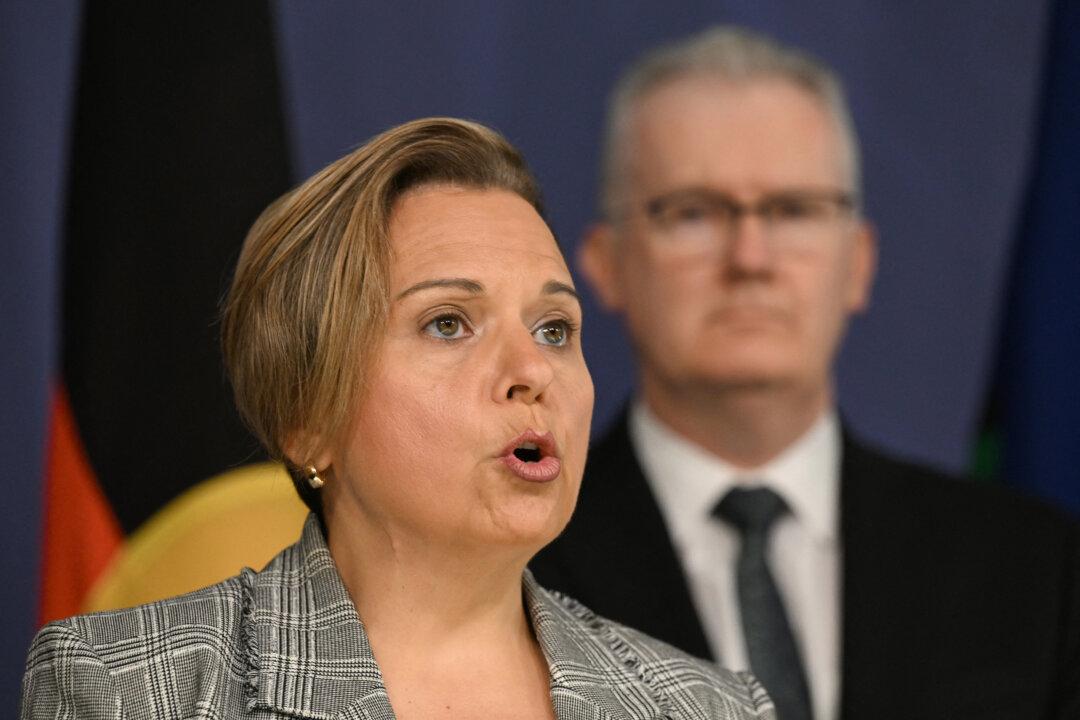
The Albanese government has announced temporary cuts to the steep application fees for offshore wind projects, in a bid to revive confidence in a sector battered by global uncertainty and local setbacks.
For the next two years, licence and application costs will be significantly reduced.
One of the more substantial cuts will be to the offshore wind licence application fee from $300,000 to $20,000.
Annual levies for transmission and infrastructure licences will be halved, while fees for feasibility, research and demonstration licences will be waived entirely.
Energy Minister Chris Bowen said the changes recognise that developers are under enormous pressure from rising costs and overseas policy reversals.
“These cuts to fees, capital requirements and red tape make Australia a better prospect for investment and regional job creation,” he said in a statement. “We recognise that the industry currently faces economic pressures and we are acting accordingly with temporary relief.”
Industry in Turmoil
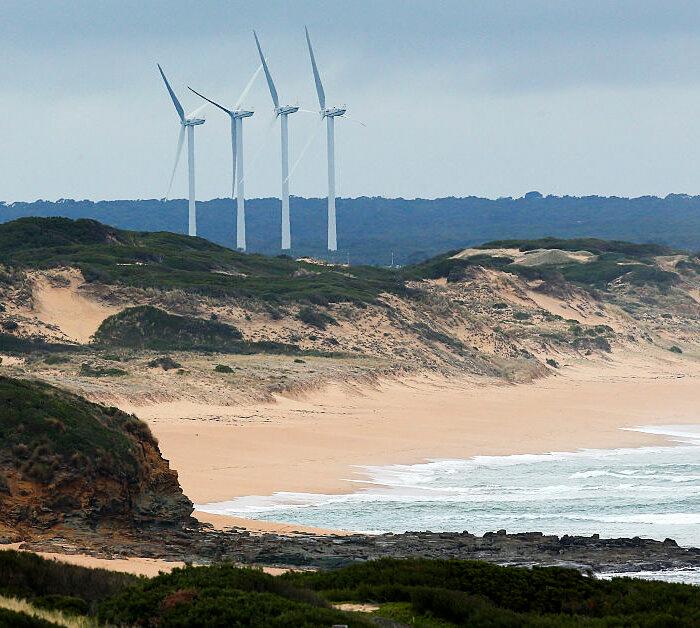
The announcement comes after the $8 billion Navigator North project off Victoria was put on hold last week and two other major projects collapsed in New South Wales.Australia has six declared offshore wind zones across New South Wales, Victoria, Tasmania and Western Australia with none operational yet.
Among the casualties is the Novocastrian Offshore Wind Farm near Newcastle, valued at $10 billion and backed by Norwegian giant Equinor.
Planned to use floating foundations across 500 square kilometres and deliver 2,000 megawatts of capacity, the project was also expected to generate more than 3,000 construction jobs.
Equinor confirmed in August that it would withdraw from the consortium, citing a retreat from renewable investments in several countries including Vietnam, Portugal and Spain.
Bowen told ABC Radio Newcastle that the project’s Australian partner, Oceanex, could not move forward alone.
“They need a partner, and frankly an international partner,” he said.
Earlier this year, a proposed Illawarra wind farm was abandoned after Spanish developer BlueFloat Energy pulled out, citing both financial headwinds and community resistance.
Global Reassessment of Offshore Wind
Climate Energy Finance director Tim Buckley said Australia’s move to ease fees was a sensible response.Offshore wind farms typically cost billions and take more than a decade to plan and build, he said.
“Anything the federal government can do to reduce the cost of the evaluation and holding period through to award is a sensible move,” he said.
But Buckley also warned the challenges are international.
Offshore wind has been hit by cost blowouts, shifting subsidy regimes and political opposition in multiple countries.
In the United States, the federal government recently withdrew approval for a Rhode Island project that was already 80 percent complete, spooking investors.
“Offshore wind has become exceptionally hard globally,” Buckley said. “We have a global reassessment of offshore wind in all markets except for China.”