The federal government will spend nearly $36 million (USD$23.5m) towards “preparedness, planning, and protective action” against H5 Avian influenza (bird flu), following recent outbreaks that led to large-scale poultry culls.
This includes developing plans to reduce the spread and impact of the virus on wildlife, strengthening biosecurity, and addressing threats such as exotic rodents that prey on seabirds in key locations.
A further $7.1 million will support surveillance and monitoring across Commonwealth national parks, as well as early identification of high-risk areas and response planning.
Risk Remains Low, But Consequences High
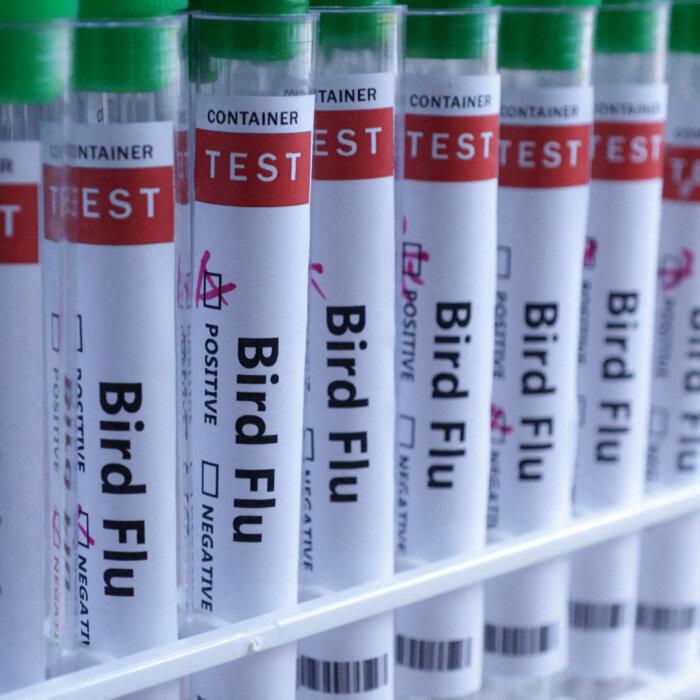
In February, a strain of bird flu (H7N8) was detected at a poultry farm in northern Victoria on Feb. 8, just three days after the state had announced it was free of the virus.The outbreak triggered precautionary culls with one farm killing around half a million chickens.

“Some H7 and H5 strains start out as low pathogenic in wild birds, but they can become highly pathogenic through virus mutation in infected chicken flocks,” he said.
“Bird flu is basically a virus that affects birds, with occasional spill over to other animal species.
“There have been rare cases when people have caught the virus, usually from working directly with the infected poultry or affected farms.”
Only birds can transmit the illness; it cannot be passed from mammal to mammal.
Australia’s previous bird flu outbreaks have always been quickly contained; however, cases have sprung up in 2025.