The federal government has announced emergency measures to fast-track fertiliser imports, aiming to bypass port bottlenecks and secure supply as Australian farmers head into a critical winter sowing period.
Under the changes, border processes for imported fertiliser will be streamlined to reduce delays without—officials insist—weakening Australia’s strict biosecurity standards.
Streamlining the Border
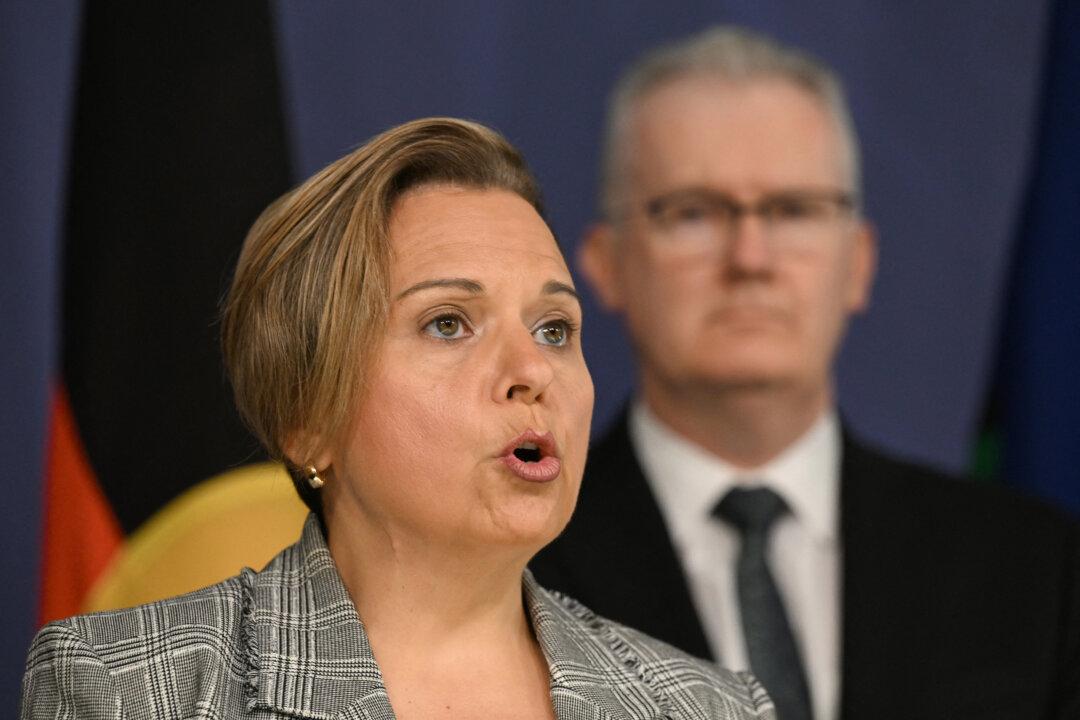
Agriculture Minister Julie Collins confirmed on April 16 that the reforms were developed in direct consultation with industry leaders to address the dual-threat of administrative delays and geopolitical instability.“We have engaged closely with industry to establish these changes, and appreciate Fertilizer Australia’s commitment to practical collaboration and problem solving,” Collins said.
- Offshore certification to confirm shipments are free from biosecurity risks
- Targeted sampling requirements for higher-risk imports, and
- Simplified registration and inspection processes.
Geopolitical Shocks and Price Surges
The timing of the reform is a response to a deteriorating global situation. Roughly 20-30 percent of the world’s fertiliser supply—including essential urea, ammonia and phosphate—comes from the Middle East. Recent disruptions, including the closure of the Strait of Hormuz, have sent shockwaves through the market.For Australian growers, the impact has been immediate and expensive. Prices for urea surged from approximately $675 per tonne in February to more than $1,000 by late March, adding significant cost pressure for growers.

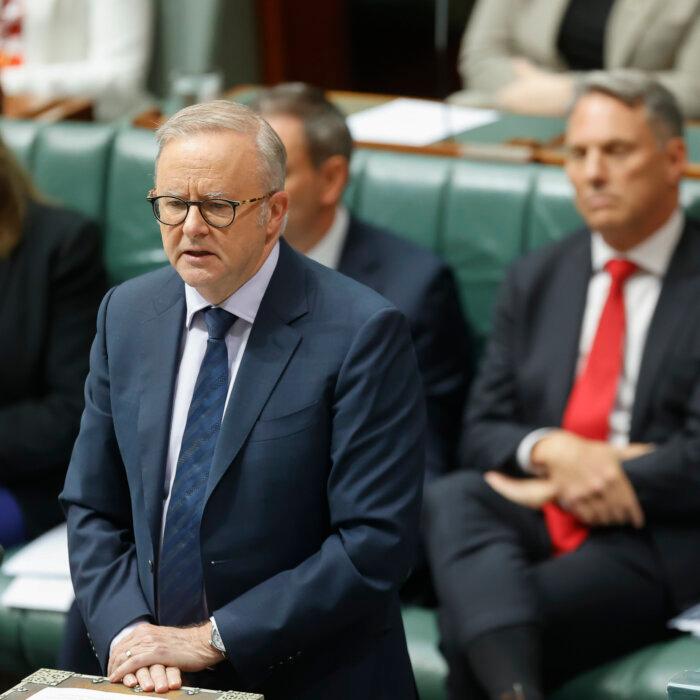
Professor Marit Kragt, from the Centre for Agricultural Economics and Development at The University of Western Australia, said the disruption highlights Australia’s heavy reliance on imports.
Diversifying the Supply Chain
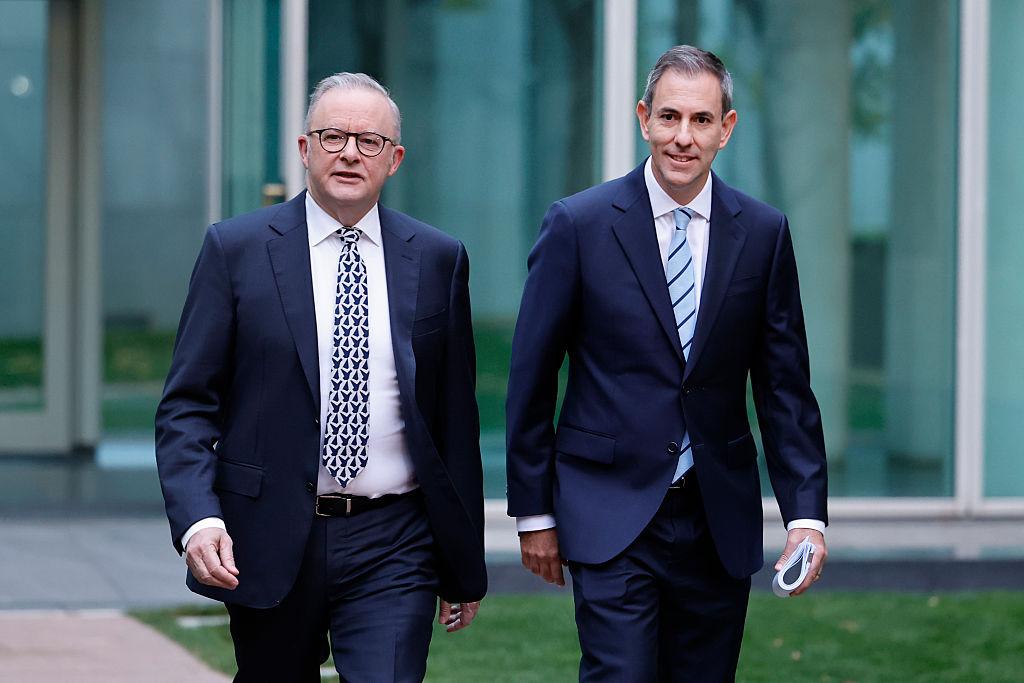
In tandem with border reforms, Prime Minister Anthony Albanese recently raised the prospect of increasing imports from Brunei.Industry Backs Faster Processing
Industry bodies have welcomed the faster processing, noting that even a few days of delay at the prt can result in missed planting windows and reduced crop yields.Stephen Annells, chief executive of Fertilizer Australia, said the the collaboration ensures that biosecurity remains a priority while acknowledging the commercial reality of the farming calendar.
“Fertilizer Australia is committed to working alongside the government, ensuring timely access to fertiliser for Australian farmers,” he said.