Australian families are enduring waits of up to two years for an Attention-Deficit/Hyperactivity Disorder (ADHD) diagnosis, prompting concern that long delays are putting families under strain and leading to worse long-term outcomes.
The evidence emerged at a parliamentary inquiry examining Thriving Kids, a federal early-intervention program designed to help children under eight with developmental needs access support sooner.
Witnesses told the committee that while the program is welcome, it must be accompanied by greater investment in diagnosis services, training for educators and health workers, and resources for families, particularly in regional Australia where specialist services are scarce.
ADHD is a neurodevelopmental condition affecting around 1.2 million Australians. It commonly begins in childhood and is characterised by inattention, impulsivity, and hyperactivity. In Australia, an estimated 6 to 10 percent of children and adolescents, and 2 to 6 percent of adults, are affected.
According to a Deloitte report, the social and economic cost of ADHD in Australia is estimated at $20.4 billion per year, which includes $12.8 billion in financial costs and $7.6 billion in welfare costs.
Long Delays for Diagnosis
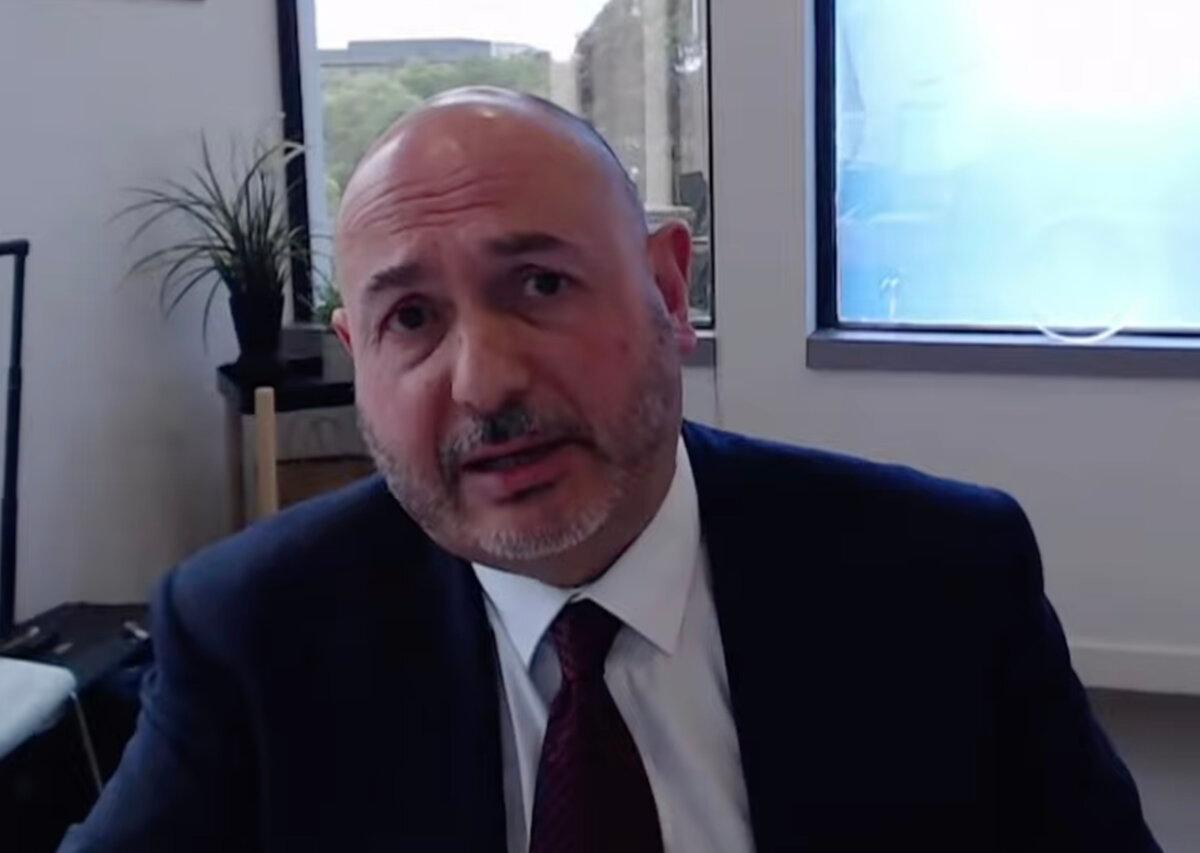
Appearing before the Oct. 21 inquiry, Christopher Quizeman, executive director of ADHD Foundation Australia, said early diagnosis remains a major gap in Australia’s support systems.
“Inability to identify, diagnose, and then treat conditions at the early stage is a major existing gap,” he said.
Quizeman revealed the long waiting time for assessments and diagnosis.
“We’ve had anecdotal evidence to suggest that in some communities, it can be up to 24 months to get paediatric diagnoses,” he said.
“In other cases, it can be a little bit shorter, but it depends on, unfortunately, how much money you have.”
He said in comparison, delays are often worse outside major cities.
“In rural and remote communities, it can take considerably longer,” he said.
Quizeman said the Thriving Kids program has the potential to address these gaps.
“Early support can prevent long-term challenges such as school disengagement, unemployment, homelessness, and involvement with the justice system,” he said.
Melissa Webster, the volunteer CEO of ADHD Australia, told the committee that families sometimes have to relocate to access services.
“It’s not uncommon that they not only have to travel extensively to get a diagnosis, but they actually have to move and live in a particular area where they could get support for their children,” she said.
Supporting Families and Educators
Matthew Tice, chair of ADHD Australia and father of two boys with ADHD, one of whom also has autism, said parents and early childhood educators are often the first to recognise symptoms.
Tice explained that usually, the first point of contact is not the general practitioners, but the parents, early childhood learning staff, or “someone else in the community that’s familiar with ADHD or autism.”
“It wasn’t the GP that was the first signal,” he said. “It was what was happening in the home and in early childhood care.”
Workforce Skills Needed
What’s also on the table is upskilling related professionals, including early childhood educators, childcare providers, and community health workers.
Kelly Dargan, a director from ADHD Australia, highlighted that early childhood educators, schools, and community health hubs are particularly critical in identifying neurodiverse children, especially in vulnerable groups such as those in out-of-home care.
The committee has not provided a specific timeline for the release of the report. However, the federal government has indicated the final design of the Thriving Kids program will be finalised this year, with the program expected to roll out in phases starting July 1, 2026.