In the 2026 Census of Population and Housing, Australians will be asked new questions about sexual orientation and gender for participants aged 16 and up.
According to a statement released by the Australian Bureau of Statistics (ABS), “gender is a social and cultural concept about the differences in identity, expression, and experience as a man, woman, non-binary person, or another gender identity.”
The ABS further states that gender may differ from a person’s sex recorded at birth, and can change over time.
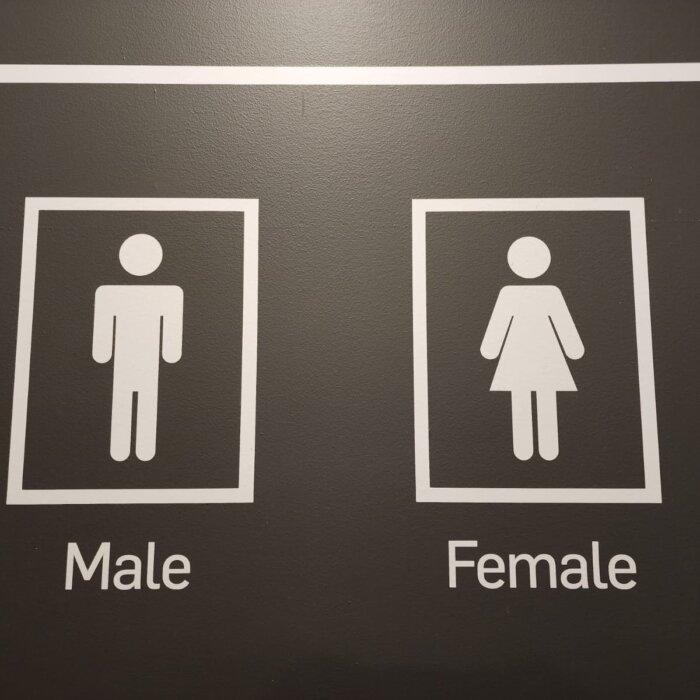
Participants will be asked to record both their “sex recorded at birth” and their gender.
There will be checkboxes for gender, or the option of a blank space for those who have a gender identity that is different to those listed.
Participants can also opt out by ticking “prefer not to say.”

The question around sexual orientation will have the same format—a list of options and a blank space for those whose preference is not listed.
The sexual orientation question also comes with the option of answering “don’t know.”
Responses will be used to generate data on trans and gender diverse populations.
The ABS says it undertook a comprehensive review to identify new topics for inclusion in 2026, ensuring the census would be relevant and reflective of current Australian society.
The announcement coincides with the ABS publication of Census topics and data release dates, in addition to revealing that the 2026 Census will take place on Aug. 11.
Questions will also cover a range of other topics, including cultural diversity, disability, health, housing, income, location, population, and transport.
“We will make Census results freely available across a range of products, making it easier than ever for people to access and use.”
The ABS will release data from the 2026 Census in three phases, with data for most topics, including sexual orientation and gender identity, to be released in June 2027.
Data for a smaller set of topics, including employment-related data, will be released in October 2027.
The remaining data, including the distance people live from where they work, will be released in early 2028.