Australian businesses will soon be given priority access to nearly $100 billion (US$65 billion) worth of annual government contracts under new procurement reforms set to begin next month.
From Nov. 17, only Australian companies will be invited to tender for non-construction contracts valued below $125,000, and for construction contracts worth under $7.5 million.
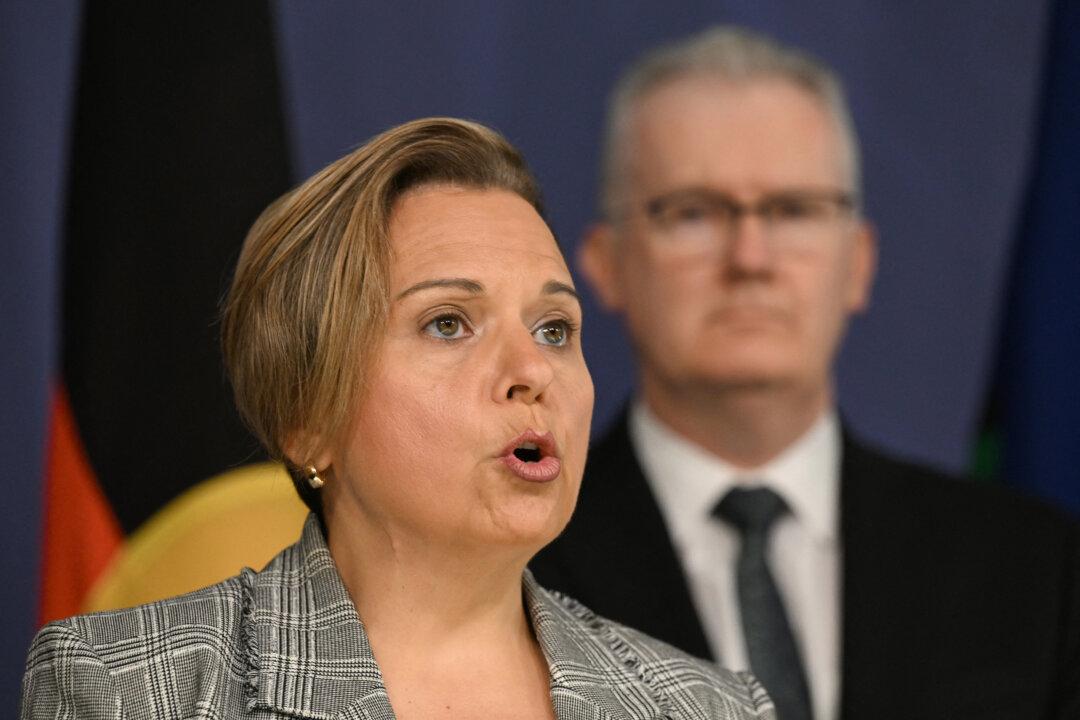
“This is about making sure more of the Commonwealth’s purchasing power flows directly to Australian businesses, creating local jobs and supporting our economy,” said Finance Minister Katy Gallagher in a statement released on Oct. 22.
The move marks the first increase in the local tender threshold in more than two decades, up from the current $80,000 cap.
New Supplier Portal to Streamline Access
Alongside the threshold changes, the government will roll out a new Supplier Portal on AusTender in the next two weeks, designed to give local businesses more visibility and control over their profiles.The portal will allow suppliers to identify themselves as Australian-owned, Aboriginal, SME, or women-owned businesses, and showcase their capabilities directly to government buyers.

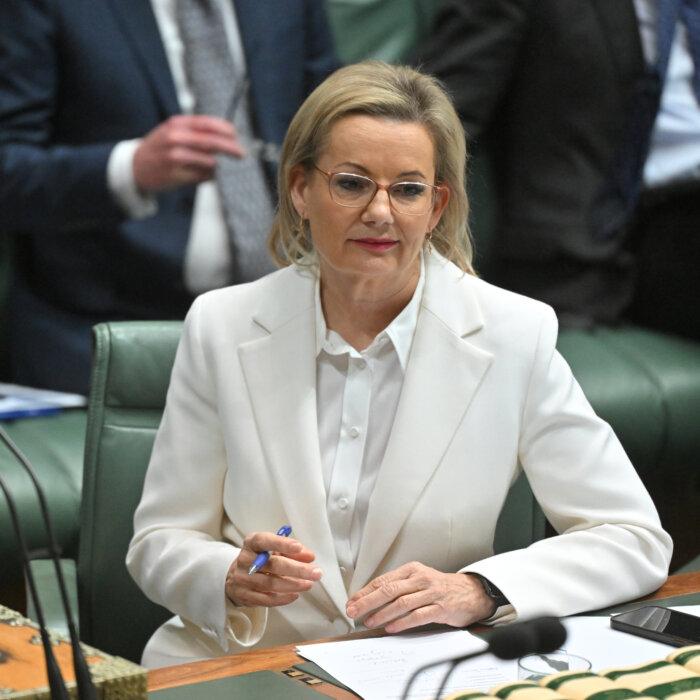
Gallagher said the portal will make the process more transparent and inclusive.
“It’s a practical reform that will help level the playing field, including for First Nations businesses, SMEs, and women-owned businesses.”
Cutting Red Tape
The announcement comes as part of the government’s broader push to reduce regulation and boost productivity, including the introduction of the Regulatory Reform Omnibus Bill 2025 early this month.The Bill aims to simplify access to government services through a “tell us once” approach, allowing Australians to avoid repeatedly providing the same information across different agencies.
It also includes measures to improve data sharing between regulators, modernise Medicare compliance, and enhance public reporting on infrastructure like the NBN.
Opposition Pushes for Deregulation
Opposition Leader Sussan Ley, however, has criticised Labor’s record on regulatory reform, accusing the government of adding “more than 5,000 new regulations and 400 laws” since taking office—costing an estimated $4.4 billion in compliance burdens.Ley said the Coalition would introduce tougher cost–benefit tests and sunset clauses on new rules, warning that “six out of every seven bills” currently pass Parliament without impact assessments.
“One of the fastest ways to boost investment and productivity is to clear the clogged arteries of regulation that are strangling projects and entrepreneurship,” she said at an economic forum early this week.
“Our goal is simple: bring down the absurd delays and give investors and communities the certainty they need, crave and deserve.”
Ley said the current system leaves projects “in limbo for years” and called for federal–state coordination to streamline environmental and safety approvals.