Iranian nationals holding temporary visas will be barred from entering Australia for six months under new federal government measures, affecting more than 7,000 people.
The move, announced by Home Affairs Minister Tony Burke, applies to visa holders currently outside Australia and comes amid concerns some may be unable or unwilling to return home due to the ongoing war in the Middle East.
Those already in Australia are not affected.
Exemptions apply to immediate family members of Australian citizens, including spouses, de facto partners, dependent children, and parents of children under 18. In limited cases, some individuals may also be granted a Permitted Travel Certificate to allow entry.
The restriction came into force on Mar. 26 and will remain in place for an initial six months.
It follows recent changes to the Migration Act, which give the Minister for Home Affairs additional powers to temporarily block groups of visa holders from entering Australia during periods of global instability.
Burke said the measure was taken in the national interest as global conditions continue to shift.
“This measure gives the government time to assess the situation properly, while still allowing flexibility in limited cases.”
Burke said some visas had been issued before the conflict escalated and may not have been granted under current conditions.“Decisions about permanent stays in Australia should be deliberate decisions of the government, not a random consequence of who had booked a holiday,” he said.
Critics Warn of Impact on Asylum Seekers
However, critics say the move could prevent people from seeking safety in Australia.Greens senator David Shoebridge said about 7,200 Iranians held temporary visas but had not yet arrived in Australia.
“Today, we see with 100 percent clarity what the Albanese government thinks of the safety of the Iranian people as they shut the door on protection for people with a visa to come here,” he said.
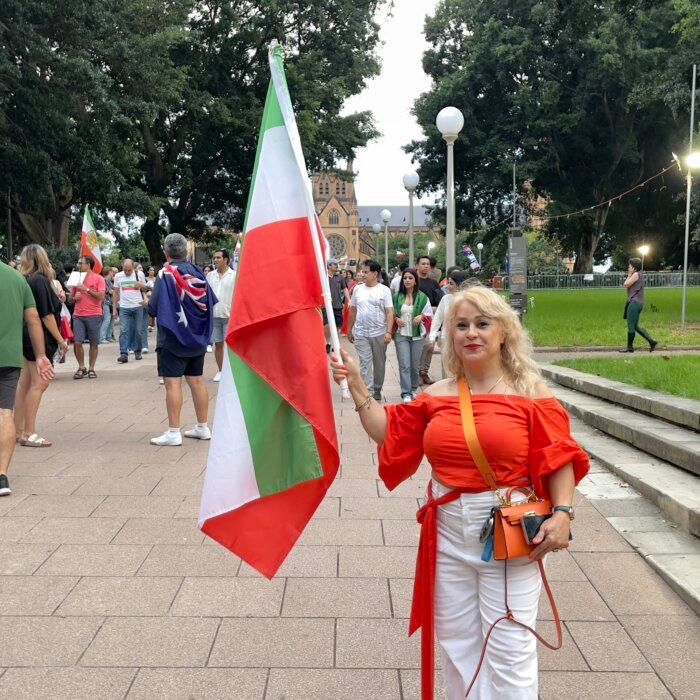
Community leaders have also raised concerns about uncertainty around exemptions and the impact on families separated by the changes.
Vice president of the Australian Iranian Society of Victoria, Kambiz Razmara, said while the Labor government had generally acted with sympathy towards the Iranian community, ordinary people often bore the fallout from “knee-jerk” changes.
“They have a very difficult job to do,” he said. “We understand that they need to protect the borders and they [also] need to react to what’s happening.
“Innocent people, unfortunately, always get caught. We’re in the middle of this.”
Razmara raised concerns about the uncertainty around time frames for exemptions, including for people who may already be on their way to Australia.
“I don’t see anywhere where there’s time stipulations and what happens if that permit isn’t given,” he said.
“The bigger risk is people ... who could be connected to the regime and who could act as foreign agents, influencing sort of actors in Australia.
“You would hope that if innocent people are going to get burned, at least the government stops cronies of the regime—who are killing people in Iran—from settling [in Australia].”