The Albanese government will introduce a new criminal offence targeting modern slavery in supply chains, requiring large businesses to demonstrate they have taken steps to prevent forced labour.
Attorney-General Michelle Rowland said the new legislation would apply to companies with annual consolidated revenue of more than $100 million (USD $69 million).
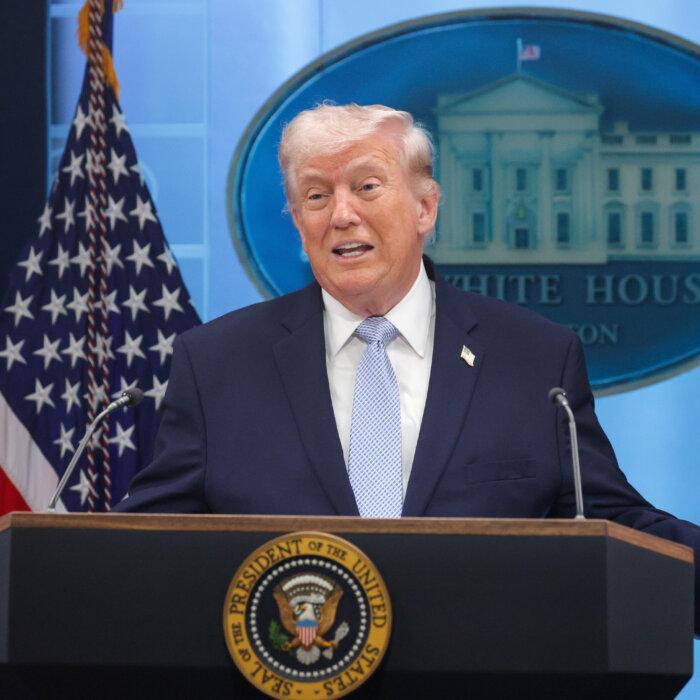
The announcement comes weeks after the Trump administration proposed a 12.5 percent tariff on 54 nations, including Australia, citing concerns over modern slavery.
“We’ve had modern slavery legislation for businesses since 2018,” she said.
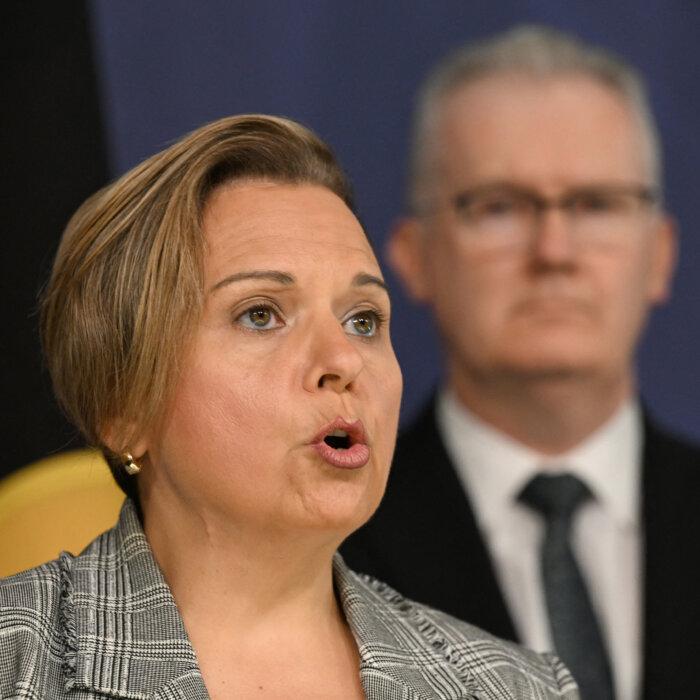
“This is the first time that this legislation has been opened up in the way it is, but the important thing is that businesses over 100 million dollars need to demonstrate they have taken action to prevent modern slavery in their supply chains.”
Rowland said the tariffs were inconsistent with the Australia-United States Free Trade Agreement.
“What we’ve announced today will be widely welcomed by Australians who don’t want their supply chains to be tainted by modern slavery,” she said.
The government said companies facing prosecution would have a defence if they could show they had taken every reasonable step to prevent the use of slave labour in their operations and supply chains.
It said further consultation would determine how the offence would operate, including enforcement options, possible deferred prosecution agreements and remedies for victims.
According to the Global Slavery Index , an estimated 50 million people worldwide are living in conditions of modern slavery.
“When the Modern Slavery Act was introduced in 2018, it was an example of good practice,” he told The Epoch Times.
“Now the EU and other countries have introduced laws with more robust expectations for businesses to take action to manage the forced labour risks in their supply chains. Reform to our law is overdue.”