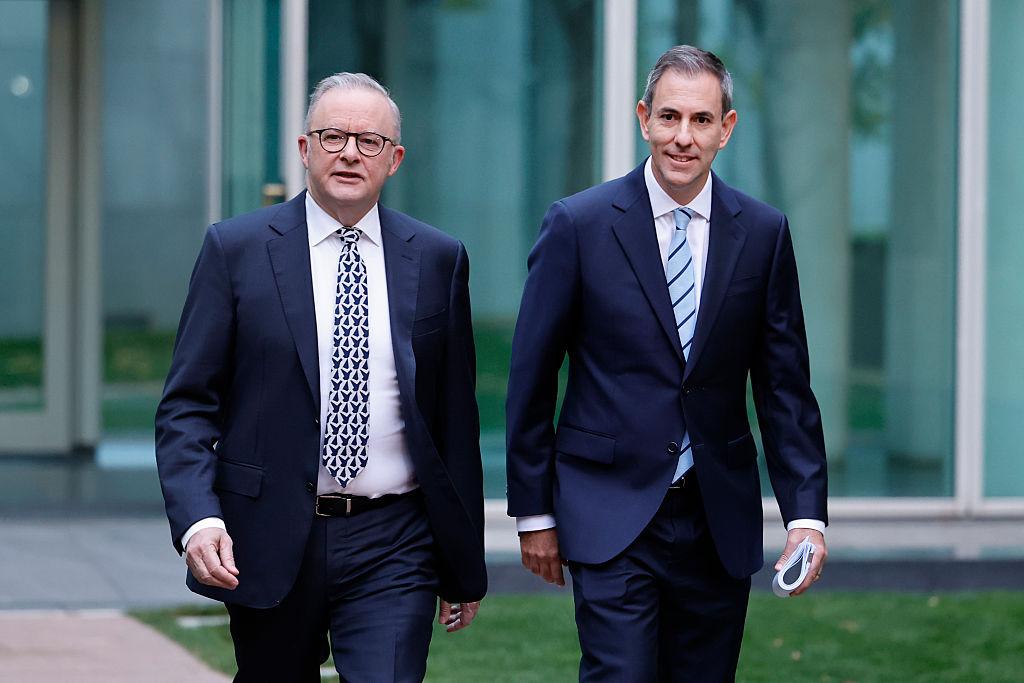
The Albanese government is preparing to outlaw digital AI tools that strip clothes from photos and enable covert stalking, declaring the technology has no place in Australia.
Marketed as harmless fun, these apps are increasingly used to harass, blackmail and humiliate—often targeting young people.
The reforms will plug gaps in existing law, which punishes stalking and the sharing of non-consensual sexual material but does little to stop abuse at its source. As with the new social media age limits, tech companies will carry the responsibility for blocking harmful services.
The changes follow a statutory review of the Online Safety Act 2021, which urged restrictions on “nudification” software and hidden surveillance tools. Officials will now work with industry as part of a broader Digital Duty of Care.
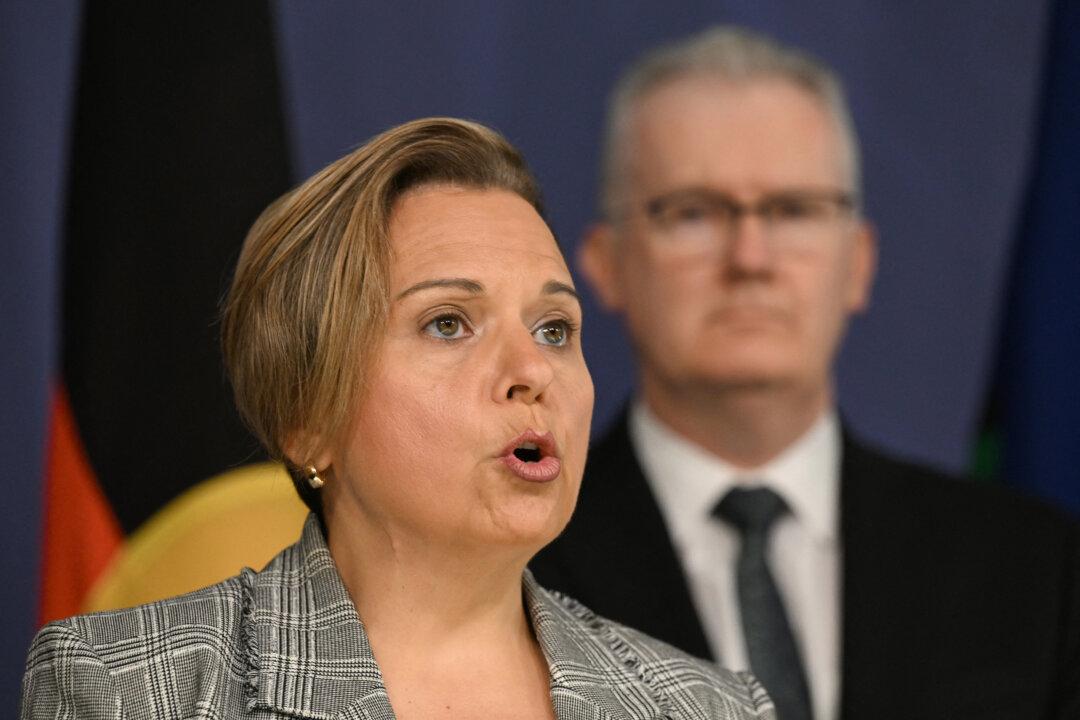
Communications Minister Anika Wells said the reforms aim to balance safety with legitimate uses of artificial intelligence.
Deepfake Abuse on the Rise
The eSafety Commissioner has repeatedly warned that deepfake technology is being turned against young Australians. Nudify apps are often free or cheap, and require no skill to use.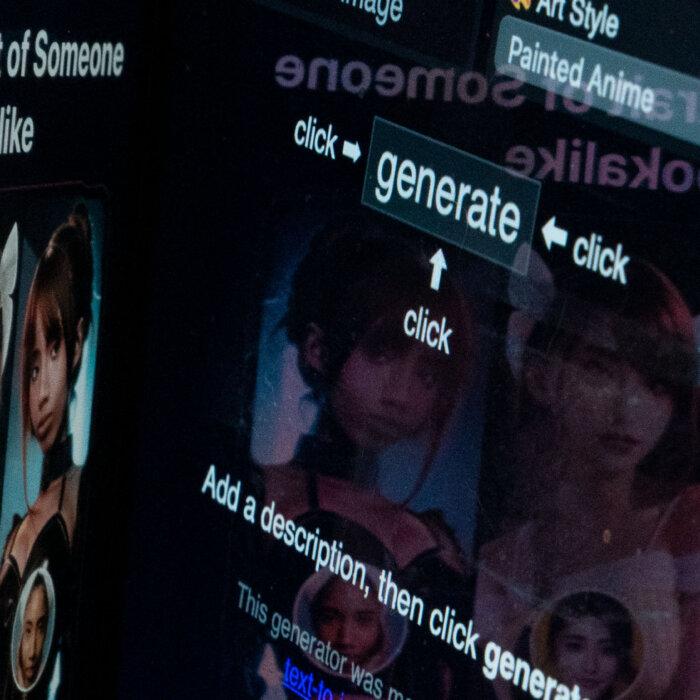

In its fresh appeal released in June, the commission highlighted that the consequences can be brutal.
Ordinary selfies, school photos or posts are transformed into explicit fakes that look real on a phone screen.
Victims often stay silent, fearing shame, disbelief or that adults will confiscate their devices or escalate to police before they are ready.
The harm goes well beyond reputation.
Parents, Schools Urged to Step In
To tackle the crisis, parents are encouraged to talk openly about deepfakes, using supportive language.Phrases like “I’m glad you told me” or “Let’s work through this together” reassure children they are not alone.
Victims should be helped to record evidence safely, report it, and seek wellbeing support.
If children receive a deepfake, they should be praised for not sharing it. Those who create or circulate them must be guided toward accountability and respect.
Alarming Cases and Global Warning
The Australian Federal Police echoed these concerns in January, warning of a surge in AI-generated child abuse material.Recent cases have underscored the risk. A Sydney schoolboy was reported after allegedly creating explicit deepfakes of classmates. At Bacchus Marsh Grammar in Victoria, around 50 students had images manipulated into fakes last year. In Melbourne, a student was expelled for producing a fake sexual image of a teacher.
The problem is global.
The Internet Watch Foundation found more than 20,000 AI-generated child abuse images on a dark web forum in just one month in 2023.
A 2024 update logged thousands more, including the first deepfake videos. Nine out of ten were realistic enough to be classed as criminal material.