Australia has announced targeted sanctions against 60 ships identified as part of Russia’s so-called “shadow fleet”—the first time Canberra has taken action against these vessels.
These ships are allegedly being used to dodge international sanctions and sustain Russia’s military operations in Ukraine.
The vessels operate through deceptive means such as changing flags, switching off tracking systems, and using insufficient insurance cover.
They are instrumental in smuggling sanctioned oil and other restricted goods.
According to the federal government, the new sanctions demonstrate Australia’s determination to ensure Russia and its enablers are held accountable for violating Ukraine’s sovereignty.
Australia Faces Scrutiny Over Indirect Russian Fuel Imports
The new sanctions come just a week after a report revealed that Australia—despite pledging $1.5 billion (US$953 million) in aid to Ukraine—has indirectly funnelled even more money to Russia through fuel imports.
According to the Centre for Research on Energy and Clean Air (CREA), Australia has imported over $3.7 billion worth of fuel refined from Russian-origin crude.
The crude is primarily processed in refineries in India and Turkey, which continue purchasing Russian oil despite global sanctions. The refined product is then legally imported into Australia.
A Department of Foreign Affairs and Trade (DFAT) spokesperson said Australia maintains some of the world’s toughest sanctions.
“Our sanctions restrict the import, purchase, and transport of oil coming from, or originating in, Russia,” the spokesperson told The Epoch Times, adding the measures are under constant review in coordination with international partners.
Canberra’s Ongoing Commitment to Ukraine
Australia has now imposed over 1,400 sanctions since Russia launched its full-scale invasion in 2022.In February 2025, to mark the third anniversary of the invasion, new travel bans and financial restrictions were introduced against 70 individuals and 79 entities involved in war crimes, the deportation of Ukrainian children, and the occupation of eastern Ukraine and Crimea.
The government has pledged continued support for Ukraine’s defence and sovereignty, calling again on Moscow to end hostilities and withdraw its forces.
EU Ramps Up Pressure
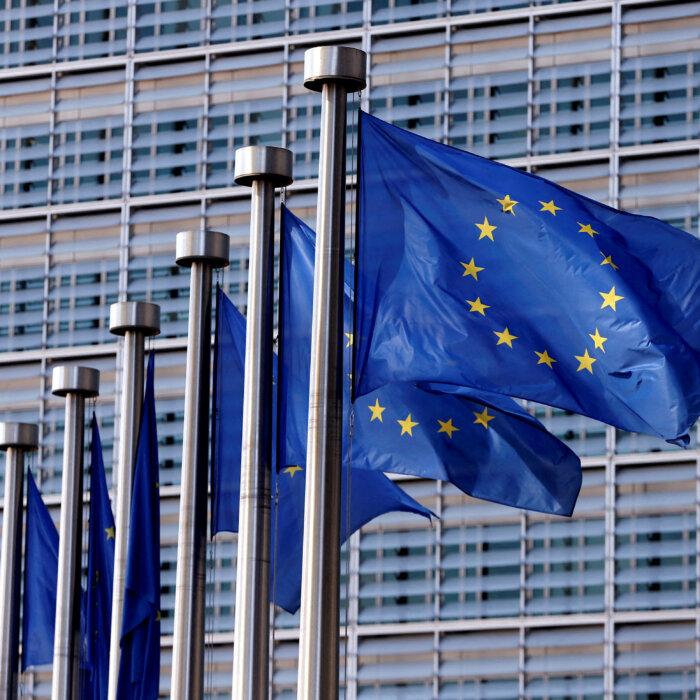
On June 11, EU Ambassador to Australia Gabriele Visentin unveiled the bloc’s latest sanctions package during an address at the National Press Club in Canberra.It proposes reducing the G7’s oil price cap from US$60 to US$45 per barrel and targets 77 additional ships involved in Russia’s shadow trade. The package also places stricter curbs on Russia’s financial institutions and expands bans on machinery, metals, and dual-use goods.
Visentin applauded Australia’s efforts, stating, “When Australians support Ukraine, you also support the EU … Thank you wholeheartedly.”
He warned that Russia’s ambitions were far from peaceful.
“Strength is the only language that Russia will understand.”