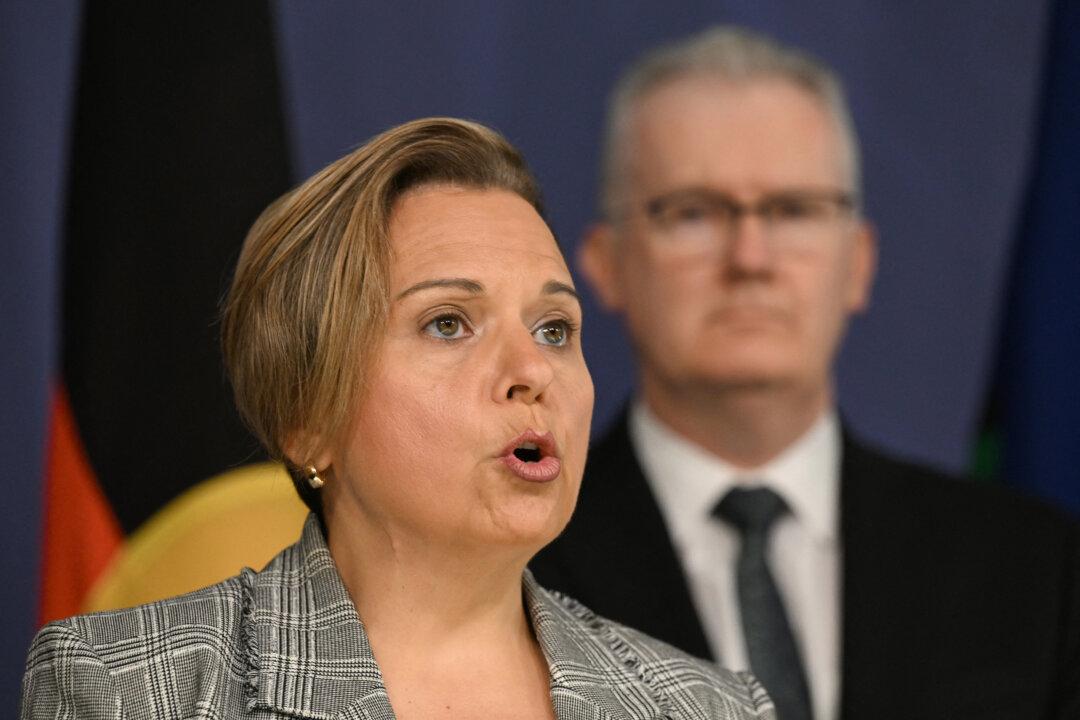
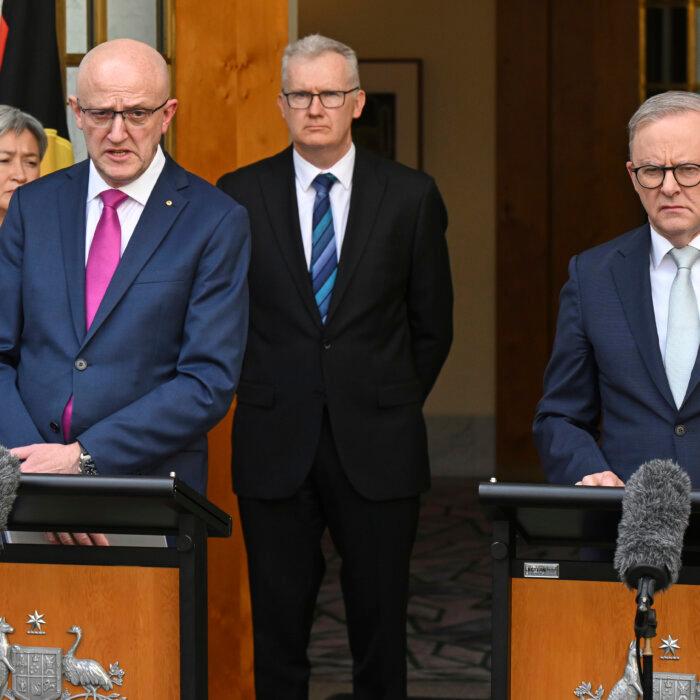
Home Affairs Minister Tony Burke has firmly dismissed suggestions that Australia’s decision to expel Iran’s ambassador and suspend reciprocal embassy operations was driven by pressure from Israel.
The comments come after revelations from the Australian Security and Intelligence Organisation (ASIO) that Iran’s Islamic Revolutionary Guard Corps (IRGC) directed two anti-Semitic attacks in Sydney and Melbourne.
Burke called the claims of Israeli influence “complete nonsense.”
“There was not a minute between us receiving this assessment and us starting to work through what we would do as a response,” he told ABC radio.
“We’ve taken this action because Iran has attacked Australians. No other country is involved in terms of that conclusion.”
Burke stressed the gravity of the decision, saying it was not made public until the government was “very, very confident” in the evidence.

Israel Says Canberra ‘Shamed Into Acting’
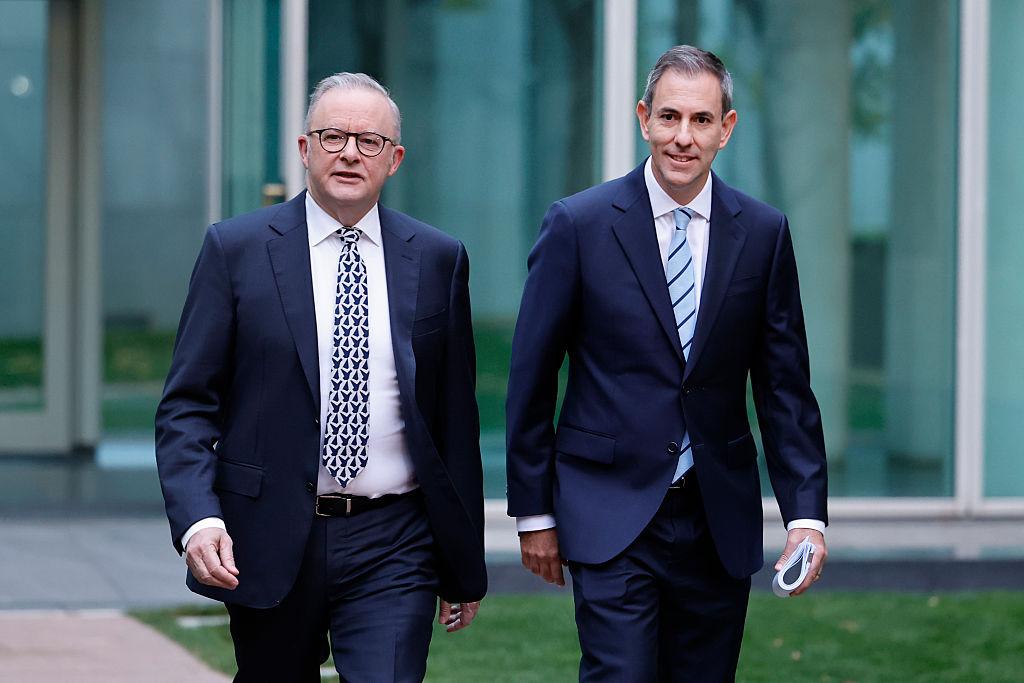
The Australian government’s expulsion of Iran’s ambassador quickly drew reaction from Israel.Government spokesperson David Mencer suggested Canberra had been “shamed into acting” after Prime Minister Benjamin Netanyahu accused Prime Minister Anthony Albanese of being a “weak” leader who had “betrayed Israel and abandoned Australia’s Jews.”
“[Netanyahu] made those comments because he did not believe that the actions of the Australian government had gone anywhere near far enough to address the issues of anti-Semitism,” Mencer told ABC.
Coalition Questions Labor’s Delay
Alongside the ambassador’s expulsion, the Albanese government confirmed it would formally designate the IRGC as a terrorist organisation.While the move received bipartisan support, the opposition said Labor had been dragging its feet.
“We demanded action two and a half years ago. The Iranian community in Australia demanded action two and a half years ago. And this government did nothing,” Shadow Foreign Minister Michaelia Cash told Seven.
Wong Defends Timing of Terror Listing
Foreign Minister Penny Wong rejected the criticism, arguing the government acted decisively once Iran’s direct involvement in attacks on Australian soil was established.“The IRGC has been sanctioned by Australia for many years. We took stronger action against the IRGC than [Cash] took when she was part of the Coalition government for nine years, including as attorney-general,” Wong told ABC Radio National.
“She did not put a single new sanction on the IRGC. They stood by while Iran was elected to the U.N. body dealing with discrimination against women,” she added.
Wong said the decision to list the IRGC now was warranted because of the “completely unacceptable” nature of the Melbourne and Sydney incidents.

She also noted that the Albanese government had already imposed targeted sanctions on Iran.
State-Backed Terrorism
In 2019, the Trump administration designated the IRGC a “foreign terrorist organisation”—the first time a state body had ever received that label.The IRGC and its Quds Force, which handles overseas operations, exert influence through groups such as Hamas, Hezbollah, the Yemeni Houthis, Palestinian Islamic Jihad, the Taliban, and multiple Shi’ite militias in Iraq.
These groups are armed, trained, and financed by Tehran, according to U.S. security analyst Clare M. Lopez.
Beyond proxy warfare, the IRGC has also been linked to cyber operations.
A 2022 advisory from the Australian Signals Directorate (ASD) found IRGC-affiliated actors exploiting vulnerabilities in U.S. critical infrastructure as well as networks in Australia, Canada, and the UK.
Once inside, the hackers stole or encrypted data, often employing “double extortion” tactics that combined theft with encryption to pressure victims into paying ransoms.