TPG Telecom has apologised after a Sydney customer died on Nov. 14 when their mobile phone failed to connect to Triple Zero, despite the network operating normally at the time.
The person, who was attempting to call emergency services through Lebara—one of TPG’s brands—was using an older Samsung handset later found to be incompatible with making Triple Zero calls on the carrier’s network.
TPG said it was notified of the death on Nov. 18 by New South Wales (NSW) Ambulance.
The company issued a statement expressing condolences and urging customers with outdated devices to update or replace them immediately.
“This is a tragic incident, and our condolences and thoughts are with the individual’s family and loved ones,” TPG Telecom CEO Iñaki Berroeta said. “Access to emergency services is critical. Customer safety remains our highest priority.”
Older Samsung Devices at Risk
TPG said the handset involved was among a group of Samsung models identified as requiring urgent software updates.
Without the update, the devices may fail to switch to an alternate network when attempting to place an emergency call—a process known as “Triple Zero fallback.”
Although the network was fully operational on Nov. 14, early investigations suggest the Samsung software on the customer’s phone did not allow the call to complete.
The issue, first detected by Telstra and Optus in late October, affects several older Samsung models, including the Galaxy S6 and S7 series, the Note 5, and multiple mid-range J-series devices.
TPG said it had contacted all customers with affected devices as early as October and again on Nov. 7, warning them to perform the required software updates.
Under new federal rules, any device that remains unpatched after 28–35 days must be blocked to prevent potential emergency-call failures.
Other telcos, including Optus and Telstra, have begun blocking the same models to reduce the risk of further incidents.
Regulators, Ministers Notified
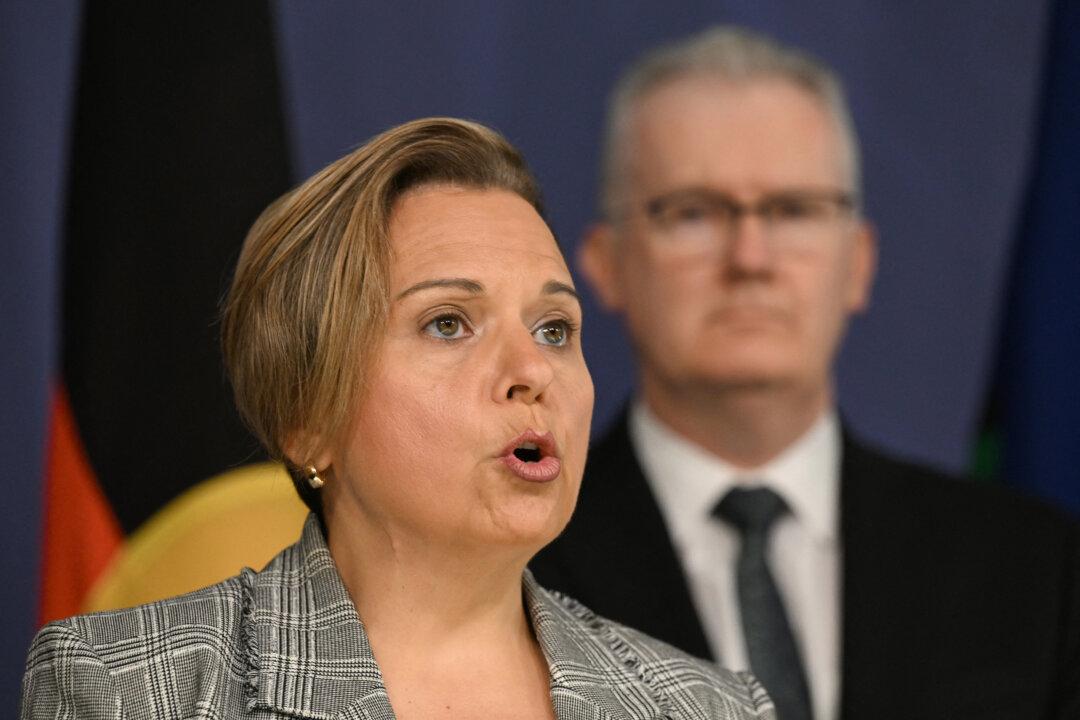
Federal Communications Minister Anika Wells, the NSW government, and the Australian Communications and Media Authority (ACMA) have been briefed on the incident.
The sector is already under intense public scrutiny following the Optus network outage earlier this year, which resulted in hundreds of failed Triple Zero calls and their direct links to three deaths.
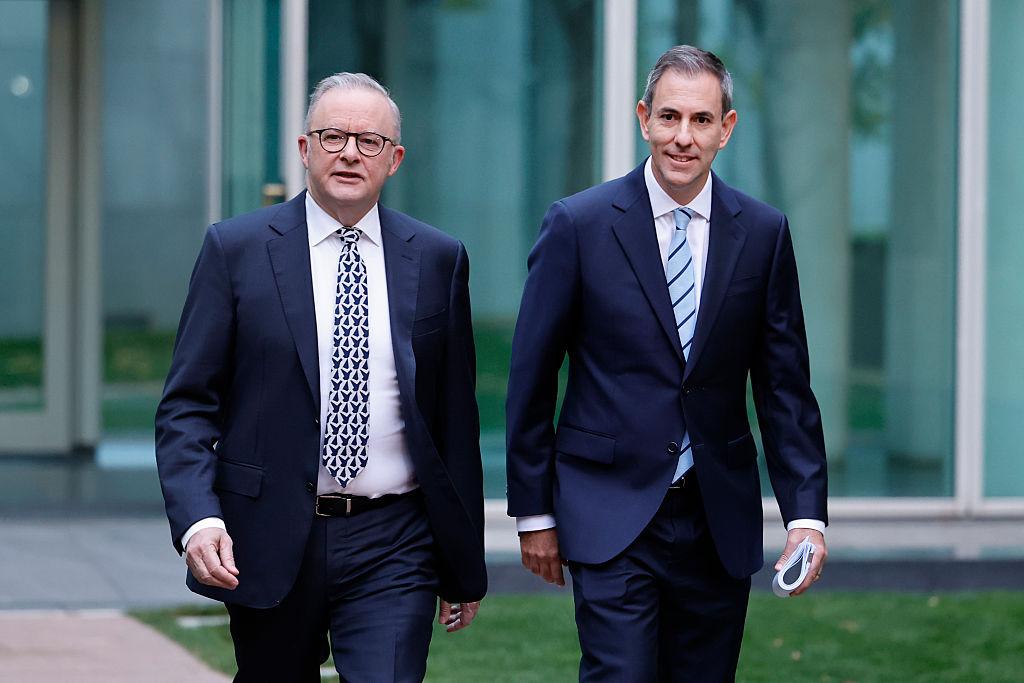
In response to that outage, the Albanese government introduced the Telecommunications Legislative Amendment (Triple Zero Custodian and Emergency Calling Powers) Bill 2025. The new laws—effective from Nov. 1—require all carriers to:
• report outages to emergency services and ACMA in real time
• test emergency-call capabilities during upgrades
• ensure calls can automatically fall back to another network if the carrier’s own network fails.
Minister Wells told Parliament on Oct. 7 that emergency-call reliability must be treated as an essential community safeguard, warning that “there is no room for delay or ambiguity when lives are at stake.”
Industry Response
TPG said it is working with Samsung and regulators to ensure affected customers are reached quickly.
“We urge all customers with outdated software to replace or update their devices without delay to ensure they can reach Triple Zero in an emergency,” Berroeta said.
Several older Samsung handsets must be replaced entirely because they can fail to connect to Triple Zero.
The models include the Galaxy A7 (2017), Galaxy A5 (2017), Galaxy J1 (2016), Galaxy J3 (2016), Galaxy J5 (2017), Galaxy Note 5, Galaxy S6, Galaxy S6 edge, Galaxy S6 Edge+, Galaxy S7 and Galaxy S7 Edge.
Authorities also warn that around 60 other Samsung devices need a critical software update to ensure they can reach emergency services if the primary network is unavailable.