A parliamentary committee has been told it is proving difficult to meet Australia’s urgent housing needs while also addressing climate change issues.
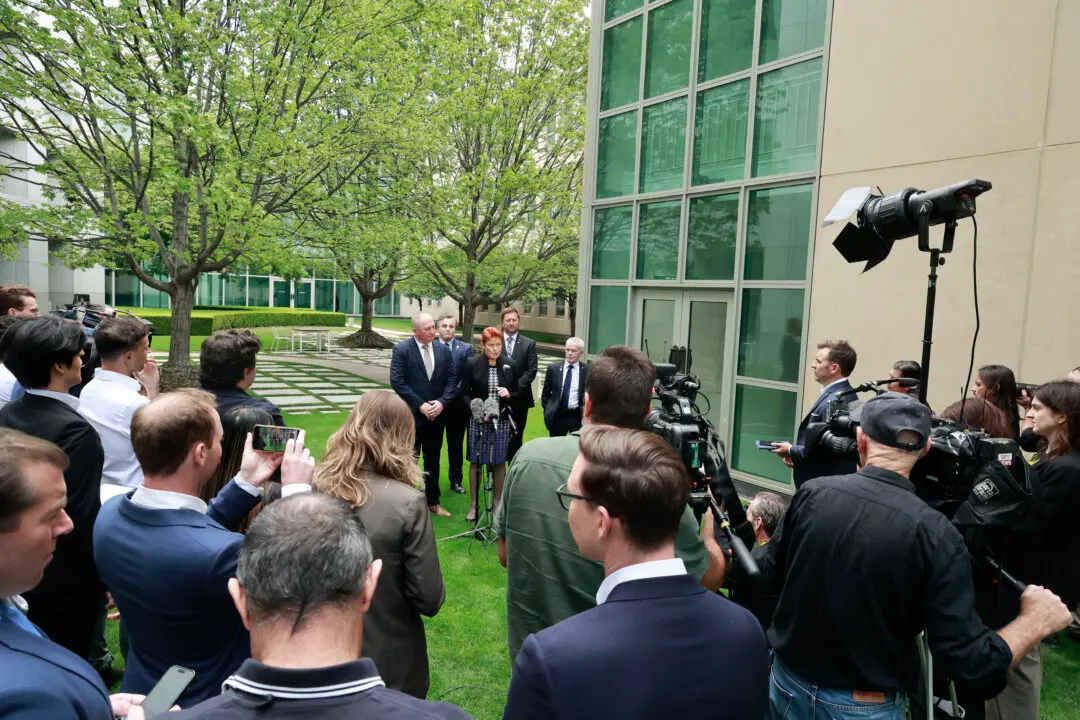
Speaking at an inquiry, Simon Croft, Industry and Policy Chief Executive at the Housing Industry Association, said mitigating the impacts of extreme weather was not a simple matter for the sector.
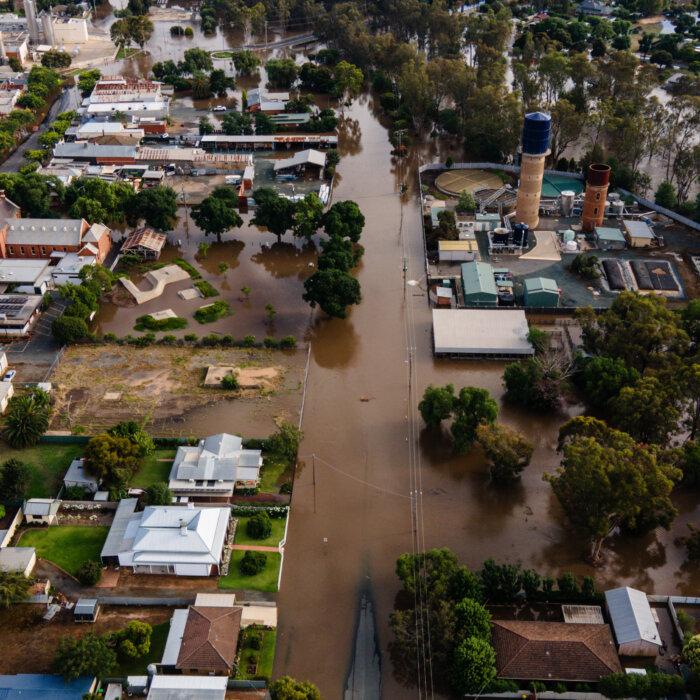
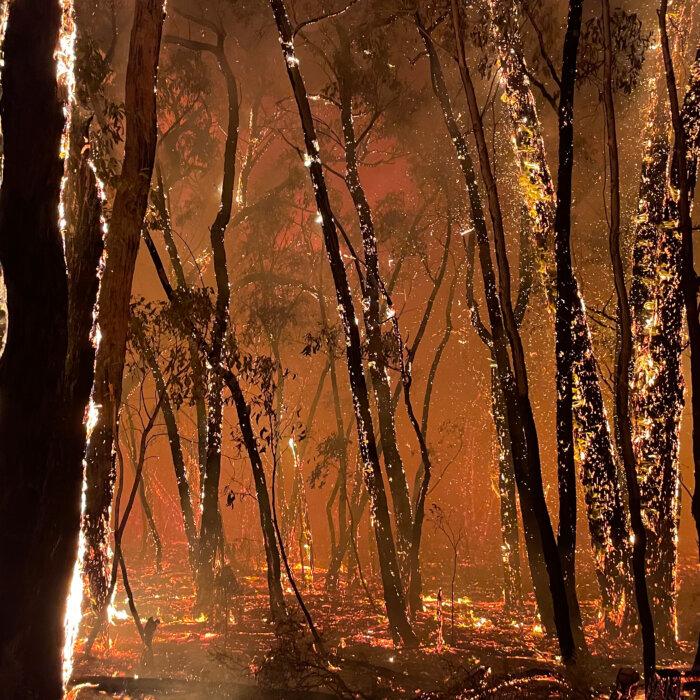
“It'd be lovely to be able to say don’t build in those areas if it’s got an overlay of flood or bushfires or cyclone,” he told the Environment and Communications References Committee.
“[However,] most of the blocks of land we have left have some element of an overlay on them.”
Croft said the challenge was compounded by the growing housing needs of the population.
“We’re in a national housing crisis. We need to be building 240,000 homes per year every year, not just for the next five years, but every year going forward. [And] I think that number is probably even conservative,” he said.
“How do we look at it from our land use and our planning? We can’t just sterilise large parts of the country from not being able to build there at all.
“It’s a challenging issue of where do we build, where’s the land available, we’re probably building in areas where we probably never expected to be building, and now we’re going to be continuing.”
He said policymakers must weigh up the push for housing in disaster-prone areas against the risks of building there.
Under the National Housing Accord, the federal government has set a target of 1.2 million new homes over five years, starting from mid-2024.
Approach to Mitigate Climate Impacts
To help the housing industry adapt to extreme weather, Croft proposed applying the hierarchy of control model—a well-established approach used in health and workplace safety.“This should apply the principles by ranking hazard control measures from most to least effective,” he said.
“Prioritising elimination [and substitution of hazards], followed by engineering controls through planning and urban infrastructure provisions, and followed by building codes, administrative controls, and finally, on-site management and homeowner education.”
He said this should be underpinned by a central repository of adaptation guidelines and a single national risk rating tool to guide government and industry decision-making, as well as identifying measures homeowners and insurers can take to improve the resilience of our built environment.
The chief executive then gave the example of housing developments where, after applying mitigation measures, authorities may still prohibit construction if the risk could not be reduced.
The Downside of Building Resilient Homes
Croft also highlighted the need to upgrade older homes to withstand natural disasters, but said this would be costly for many homeowners.“Build costs are at record highs, land prices are at record highs as well,” he said.
“We could, you know, make the home fully concrete and be essentially like a shelter. But does someone want to live in that?”
There is also the issue of insurance affordability.
“If it’s costing $500,000 for the build of a home now, and we want to keep putting mitigation measures in place, it becomes even more out of reach for getting that affordable insurance product,” Croft said
“We’ve seen from a range of inquiries that under no insurance, people [start] living in shed houses and things like this just continue to increase.”